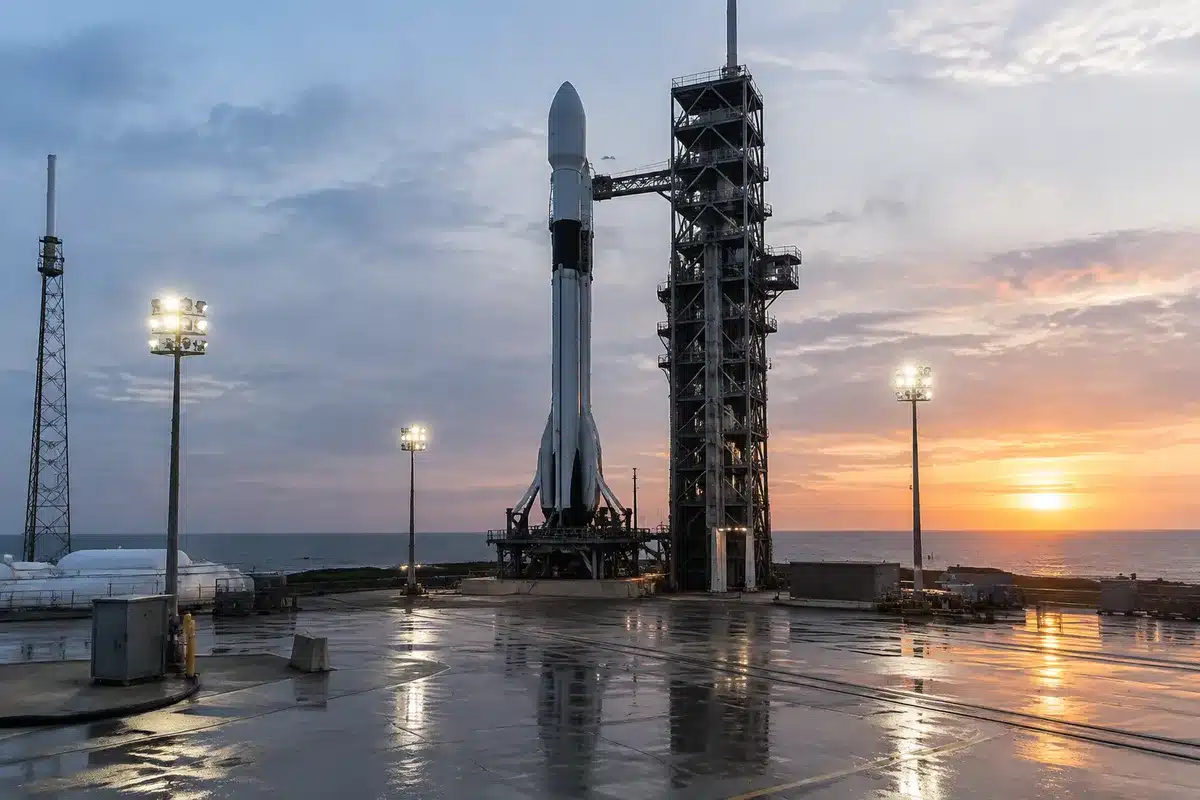
Brent crude oil climbed 3% to $93.86 per barrel on June 1, 2026, driven by renewed geopolitical concerns. West Texas Intermediate (WTI) crude rose 3.3% to $90.22. The rally reflects fresh tensions in the Strait of Hormuz, through which roughly 20% of the world’s oil supply flows daily. This daily gain extends a volatile two-month trend that has tested both buyer and seller resolve in the crude markets.
🔥 Quick Facts
- Brent crude reached $93.86/bbl on June 1, 2026 — a 3% daily increase
- WTI crude surged 3.3% to $90.22/bbl — tracking broader geopolitical risk
- Strait of Hormuz disruption threatens 20% of global oil supply — core price driver
- OPEC+ mulls modest production increases despite supply concerns — conflicting signals
- Winter driving season demand and recession fears intersect — competitive pressures ahead
A Tale of Two Oil Crises: From February Conflict to June Uncertainty
The story of oil prices in 2026 began in late February, when military strikes in the Middle East triggered a de facto closure of the Strait of Hormuz. That initial shock sent Brent crude soaring to $126.41 — the highest price in four years. By late April, crude had stabilized briefly around $100 per barrel, with prices dampened by ceasefire chatter and SPR releases. Now, as summer approaches, the market faces a new test: whether geopolitical risk premiums can sustain crude above $90 in an era of soft global demand.
The contrast between analyst forecasts and real-world prices reflects this tension. J.P. Morgan Global Research expects Brent to average $60/bbl in 2026 due to weak fundamentals, yet Barclays raised its forecast to $100/bbl citing prolonged Hormuz disruption. The gap suggests that geopolitical risk, while real, competes with oversupply concerns in shaping outcomes.
Why Oil Spiked Today: The Hormuz Threat and Supply Realities
June 1’s rally reflected fresh headlines of US and Iranian strikes, stoking fears of renewed transit disruptions. The Strait of Hormuz has been a flashpoint since late February 2026, when the war triggered output losses of 600–700 million barrels according to Vitol CEO Russell Hardy. With a broader market rally amid oil tensions, crude’s intraday trading range of $92.52 to $94.20 showcased volatility typical of conflict-driven pricing.
Beyond geopolitics, structural factors underscore the market: OPEC+ production collapsed to 33.19 million barrels per day (bpd) in April from 42.77 million bpd projected earlier. This 9.58 million bpd shortfall stems from export cuts by Gulf members responding to sanctions and coordination fractures. Reuters reported on June 1 that OPEC+ is likely to raise July output targets by 188,000 bpd, a modest move that signals no major production shock is planned, despite Hormuz tensions.
Oil Price Levels and Year-to-Date Trends
| Benchmark / Period | Price Level | Change / Context |
| Brent Crude — June 1, 2026 | $93.86 | +3.0% daily rise |
| WTI Crude — June 1, 2026 | $90.22 | +3.3% daily rise |
| Brent Peak (April 30, 2026) | $126.41 | Conflict high; 35% above today |
| Trading Range — June 1 | $92.52–$94.20 | Intraday volatility band |
| EIA 2026 Q4 Forecast | $89/bbl avg | Downward trend expected |
| Jan 2027 Forecast (EIA) | $79/bbl avg | Further decline assumed |
The table above reveals a fundamental contradiction: June 1’s price of $93.86 sits well above EIA’s full-year 2026 forecast of $89/bbl for Q4, yet far below April’s peak of $126.41. This suggests the market is in a transitional phase, with geopolitical risk gradually fading as supply-side expectations shift toward recovery. Goldman Sachs forecast $90/bbl for Q4 2026, broadly aligned with government forecasts but still above long-term supply fundamentals.
“Soft supply-demand fundamentals are putting downward pressure on global oil prices — but geopolitical risks remain a wild card.”
— J.P. Morgan Global Research, Oil Price Forecast 2026
Implications for the US Economy and Energy Consumers
Higher crude prices ripple broadly. Reuters analysis notes that a 1% increase in WTI oil typically lifts American energy spending by roughly 0.22%. At current levels near $90, consumers face elevated gasoline and heating costs — a regressive tax that disproportionately burdens lower-income households, per Goldman Sachs. Mortgage rates remain elevated as the Federal Reserve calibrates inflation expectations; oil shocks can reignite wage-price dynamics, complicating rate-cut hopes for later in the year. A recent drop in mortgage rates shows some relief, yet energy costs can easily offset consumer savings.
For oil-dependent sectors — airlines, shipping, petrochemicals — higher crude is a margin headwind. Airlines, trucking firms, and manufacturers all face input cost pressures. Energy-intensive industrials may see profit margins compressed unless they pass costs to customers. The S&P 500’s resilience as Nvidia gains offset oil price surges (per recent market reports) suggests that tech strength is buying time for the broader economy before energy inflation weighs too heavily.
What Happens If Hormuz Disruptions Persist or Escalate?
The core risk scenario is a prolonged Strait of Hormuz closure. Fortune reported in May 2026 that oil markets could face a “moment of truth” in June, with warnings of non-linear price spikes and panic buying. If transit is fully blocked again and Middle East production falls a further 2–3 million bpd, Brent could spike toward $110–120 in weeks. That would test consumer patience, inflation expectations, and Fed policy — a perfect storm that most analysts still consider a tail risk rather than base case.
Conversely, if tensions ease and OPEC+ successfully raises output alongside global demand recovery (unlikely in a recession scenario), crude could fall toward $70–75 by Q4 2026, validating longer-term bearish forecasts from J.P. Morgan and the EIA. Most strategists expect a middle ground: geopolitical risk premiums slowly eroded by economic weakness, pushing Brent toward $85–95 by year-end.
Will Oil Prices Stay High, or Is a Summer Reversal Coming?
Summer 2026 is a critical inflection point. Driving season demand typically lifts crude in May–August, offsetting seasonal inventory builds. However, refiners are returning to normal operations post-conflict, and strategic reserve releases (if coordinated by the US and allies) could dampen rallies. Barclays, in mid-May 2026, warned of upside risk to its $100 forecast, yet acknowledged soft underlying demand from China’s economic slowdown and Western recessionary pressures. The balance suggests crude will oscillate in a $85–$100 range through Q3, with breaks above $100 only if geopolitical shocks exceed expectations.
Sources
- XTB Market Analysis (June 1, 2026) — Brent crude daily trading analysis and price levels
- Barron’s (June 1, 2026) — US and Iran strikes market reaction
- Trading Economics — Brent crude historical data and statistics
- Morning Star (June 1, 2026) — Market briefing on WTI and Brent movements
- Reuters (June 1, 2026) — OPEC+ production decisions and forecasts
- Fortune (May 16, 2026) — Oil market outlook and risk warnings
- J.P. Morgan Global Research — 2026 oil price forecasts and fundamentals
- U.S. Energy Information Administration (EIA) — Short-term energy outlooks and quarterly forecasts
- Goldman Sachs — Iran conflict impact and consumer spending analysis
- Vitol (April 2026) — Global production loss estimates from Middle East disruption