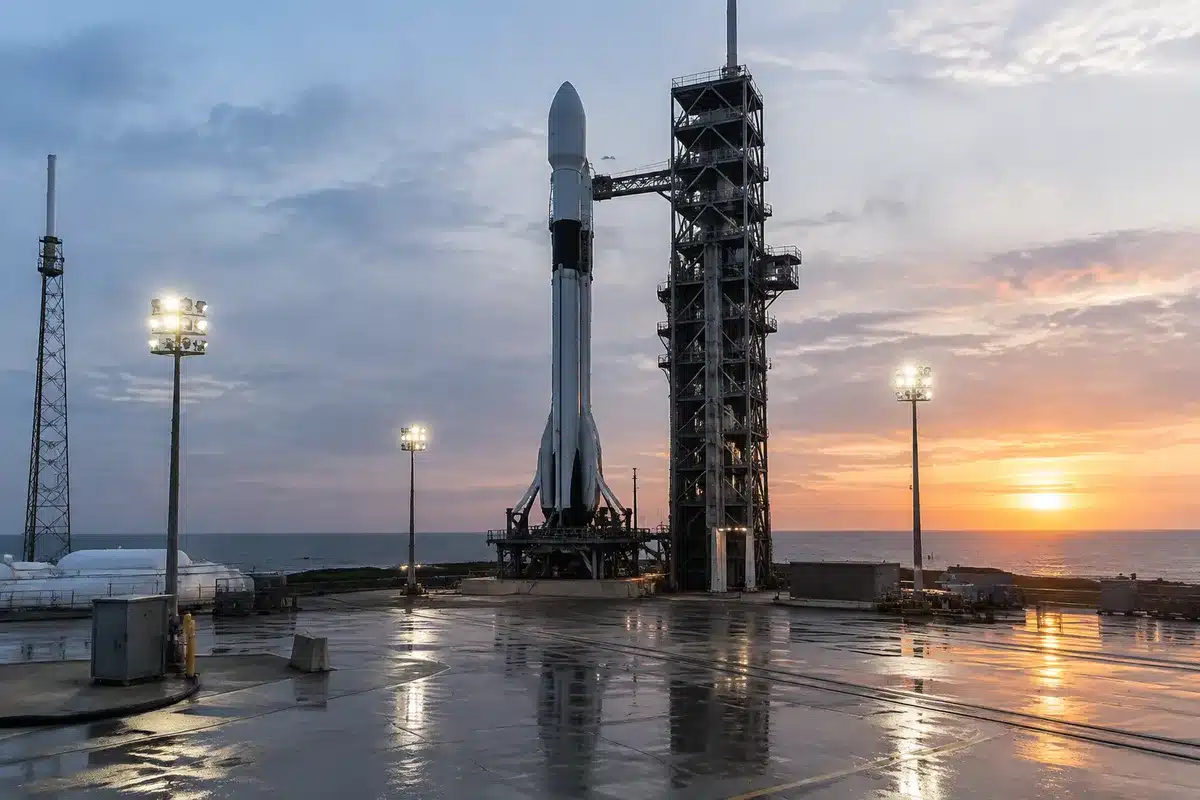
The S&P 500 edged higher to 7,581 points on June 1, 2026, gaining a modest 0.02% amid a divergent day in equity markets. Nvidia and artificial intelligence stocks lifted the broad index as oil prices surged following fresh tensions between the United States and Iran, creating a classic market dynamic: technology strength offsetting energy-driven headwinds.
🔥 Quick Facts
- S&P 500 closed at 7,581 points, up 0.02% on June 1, 2026
- Nasdaq Composite drifted 0.1% higher as tech stocks gained momentum
- Crude oil prices jumped as Iran halted negotiations and tensions escalated
- Nvidia surged on AI demand, with analysts citing durability of enterprise spending
- Gold futures slipped 1% to $4,529 per ounce despite geopolitical risk
Market Stalemate: Tech Resilience Meets Energy Crisis
The market’s modest upward movement masked a deeper bifurcation. Technology stocks are rebounding from recent volatility, driven by sustained institutional appetite for AI infrastructure plays. Nvidia, the linchpin of the sector, continues to benefit from analyst upgrades and earnings optimism. DA Davidson added the chipmaker to its best-of-breed list, noting that the company is “firing on all cylinders” as Blackwell AI systems ramp into production.
Conversely, oil markets are under genuine pressure. Brent crude has climbed into the $78-82 range, a reaction to weekend clashes between the U.S. and Iran that threatened the fragile ceasefire. The Strait of Hormuz, through which roughly 20-21% of global crude oil transits daily, remains a focal point of geopolitical risk. Earlier in 2026, March strikes triggered 10-13% surges in oil futures, a template that markets now fear repeating.
Nvidia’s AI Dominance Shields Broad Market
Nvidia’s outperformance is not accidental. The company’s May earnings exceeded expectations on revenue growth and margin sustainability. Analysts project a $300 price target, implying 39.3% upside if Blackwell 300 ramps succeed and Q2 revenue surpasses $80 billion. This forward momentum is carrying the broader S&P 500 Magnificent 7 tech cohort—Microsoft, Apple, Alphabet, Amazon, Meta, and Tesla—all of which are benefiting from sustained AI spending momentum and momentum from institutional buyers.
The disconnect between tech strength and energy pressure reflects a broken historical relationship. Normally, rising oil prices imply inflation fears that pressure growth stocks. But in mid-2026, AI enthusiasm has become robust enough to overcome that traditional headwind. Institutional investors are interpreting geopolitical oil shocks as temporary, preferring to deploy capital into long-duration AI plays that compound over years.
Oil Surge: Iran’s Negotiation Halt Sparks Supply Anxiety
Iran’s decision to halt negotiations on June 1 is the proximate trigger for crude strength. The Middle East conflict began in late February 2026 and has inflicted periodic shocks on energy markets. Brent crude has since traded in a $50-85 range, reflecting both supply disruption risk and periodic ceasefire hopes.
| Market Metric | Current Level | 2026 Range | Risk Factor |
| Brent Crude | $78-82/bbl | $50-85 | Strait closure |
| S&P 500 | 7,581 | 7,400-7,600 | Inflation resurgence |
| Nasdaq Composite | +0.1% | Volume-dependent | Tech valuation reset |
| Gold (GC=F) | $4,529/oz | $4,400-4,600 | USD strength |
| Nvidia (implied) | $220-230 (est.) | $200-350 | Supply chain delays |
The supply shock potential is material. If Iran were to close the Strait of Hormuz—a threat made repeatedly but never executed—crude could surge 50-80% based on analyst projections cited in early 2026 conflict coverage. However, global spare capacity, especially from Saudi Arabia and other OPEC+ members, acts as a cushion. The consensus expectation is that Brent averages $82.85 per barrel in 2026, a 30% increase from pre-conflict forecasts of $55-60.
“Oil prices are rising following the latest fighting to threaten the U.S.-Iran ceasefire, but Wall Street isn’t very worried. The market is pricing in continued geopolitical volatility as a cost of doing business, not as a catalyst for recession.”
— Market strategist commentary, Reuters, June 1, 2026
Six Competing Narratives for June
Investors face conflicting signals. On one hand, AI enthusiasm is propelling technology valuations higher based on genuine productivity gains and $1 trillion+ enterprise pipeline cited by Nvidia management. On the other, energy prices could trigger inflation surprises if Strait disruptions persist. Historical precedent suggests that oil shocks above $100/barrel correlate with equity market drawdowns of 10-15%, though hedging through energy stocks and commodity futures can offset.
The Federal Reserve’s posture remains fluid. June Fed decision looms, and sticky oil prices could pressure the central bank to hold rates higher for longer. This would be a headwind for unprofitable tech but a tailwind for high-margin software and AI infrastructure leaders like Nvidia, Microsoft, and Broadcom. Recent research into strong AI demand pushing semiconductor valuations to record levels underscores this bifurcation.
What Happens If Negotiations Restart?
The most bullish scenario would involve Iran and the U.S. resuming talks, which could bring oil prices down 10-15% in days. Such a move would likely boost growth stocks further, removing the inflation premium from commodity prices. Conversely, military escalation could see Brent climb back to $100+, a level not sustained since the early March spike. At that threshold, recession risk premiums would re-enter valuations.
The intermediate path—continued tense stalemate—may be the most likely, rewarding defensive positioning in mega-cap tech, low-beta utilities, and energy stocks that directly hedge oil exposure. Investors seeking total return exposure should monitor Fed guidance over the coming weeks, as the central bank’s willingness to cut rates would break the current oil-equity negative correlation.
Sources
- Investopedia — Stock Market Today, June 1, 2026: S&P 500 index levels and market commentary
- Reuters — Oil Prices and Iran-U.S. tensions: Geopolitical risk assessment and Brent crude tracking
- New York Times — Oil Prices Jump as U.S. and Iran Exchange Fire: Forward supply disruption analysis
- Fortune/Bloomberg — Nvidia Q1 Earnings and Management Guidance: Blackwell ramp and AI demand durability
- CrypoBriefing & Economic Times — Oil Price Forecasts: 2026 Brent crude consensus and geopolitical modeling