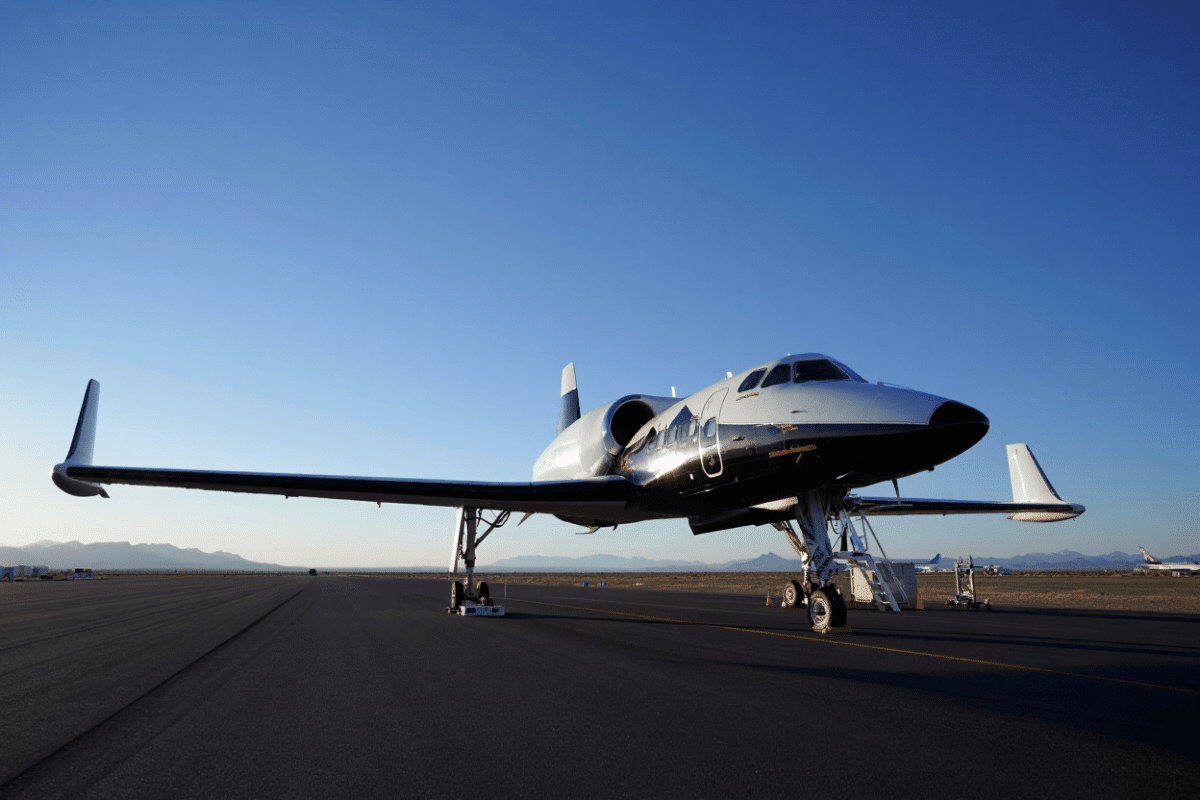
Virgin Galactic Holdings (SPCE) shares delivered a 36.42% single-day surge to $6.18 on May 30, 2026, propelled by trader enthusiasm for the company’s confirmed Q3 flight-testing timeline with its new Delta-class spaceships. The jump on record trading volume of 165+ million shares marks the latest chapter in a 115% rally since January 31, 2026, reflecting growing confidence that commercial spaceflight could resume in Q4 2026—a critical operational milestone after over two years of production-focused operations.
🔥 Quick Facts
- 36.42% single-day gain to $6.18 on May 30, 2026
- 165+ million shares traded—record daily volume
- Stock path: $2.13 (March 30) to $6.92 (June 1)—225% gain in two months
- Q3 2026: Glide tests; Q4 2026: Commercial flights per CEO Michael Colglazier
- $251 million cash position as of Q1 2026; $750K tickets reopened for sales
The Comeback Trajectory After Extended Production Halt
Virgin Galactic paused commercial operations in late 2024 to focus engineering resources on manufacturing its next-generation Delta-class spaceships—a design intended to increase flight cadence, safety margins, and passenger capacity. That two-year pause tested investor patience as stock tumbled from all-time highs of $1,256 (February 2021) to a bottom of $2.13 in March 2026. CEO Michael Colglazier and the board bet heavily on proving the Delta platform could execute reliably, avoiding the safety delays that derailed the Unity fleet.
The May-to-June rally reflects this pivot coming to fruition. VSS Unity—the original commercial spacecraft—has resumed glide flights to test new avionics and procedures. Meanwhile, Delta One, the first production Delta-class vehicle, advances toward flight-test milestones. Traders are pricing in the operational discipline required to meet Q3 testing and Q4 commercial targets, a significant psychological shift from the collapse confidence in 2024.
Technical Execution and Market Drivers
The 36% single-day surge wasn’t isolated; it capped a 165.24% gain over 30 days (May 1–31), making June 1 premarket trading appear logical extension rather than irrational enthusiasm. Three concrete factors lifted shares:
1. VSS Unity Return Confirmation: Virgin Galactic officially announced that VSS Unity completed glide tests in New Mexico, validating airframe integrity and updated avionics post-redesign. This removed a key binary risk: whether the platform could safely return to flight.
2. Reopened Premium Ticket Sales: The company reopened bookings for $750,000 seats, signaling internal confidence in Q4 commercial launch timing. Pre-commercial ticket holders have already paid $450,000 since 2021; the new tier targets ultra-high-net-worth individuals. Recent momentum in other growth sectors, including aerospace tech, provided sentiment tailwinds for high-beta names.
3. Sector Tailwind: SpaceX is preparing its own IPO, re-energizing retail and institutional appetite for commercial spaceflight equity. Virgin Galactic benefits as the only publicly traded pure-play suborbital tourism operator.
Financial Foundation and Profitability Horizon
| Metric | Q1 2026 Result | Status |
| GAAP EPS | -$0.81 | Beat estimates by $0.19 (improving losses) |
| Net Loss | -$65 million | No operating revenue during pause |
| Cash & Equivalents | $251 million | Sufficient for 2026 operations |
| Guidance (CEO) | Positive cash flow by 2027 | Target post-Q4 2026 launch |
| Q4 2026 Plan | 4–8 flights/month ramp | Up to 96 flights annually |
Virgin Galactic management guided for four flights per month ramping to eight by Q2 2027. At $750K revenue per seat and 6 passengers per flight, that implies $216–432 million annual revenue at full cadence. Suborbital flights take 60 minutes total; margins expand once flight cadence stabilizes and ground infrastructure costs amortize.
“We remain on track to commence flight testing in Q3 and space flight in Q4,” Michael Colglazier, chief executive at Virgin Galactic, stated in late May 2026. The timing confirms the company has closed critical design and manufacturing gaps identified during the two-year pause.
— Michael Colglazier, CEO, Virgin Galactic Holdings, SpaceNews, May 15, 2026
The Stock Valuation and Risks Worth Watching
At $6.18, SPCE trades at approximately $3.5 billion market cap, a 20x discount versus its 2021 peak ($176 billion valuation). The 36% pop reflects an unlocking of latent value: a company with proven spaceflight heritage (over 600 test and commercial flights) finally commencing revenue-generating operations after a grueling production cycle.
However, risks persist. Short interest stands at 23%, suggesting skeptics question whether Q4 targets hold or if further delays emerge. Flight cadence execution remains unproven; suppliers could face delays. Regulatory certification with FAA must finalize. Ticket sales rely on ultra-high-net-worth demand holding through economic cycles. A single catastrophic accident would crater sentiment instantly.
The market’s behavior today—165+ million shares at peak demand—reveals retail and tactical traders betting on narrative, not fundamentals alone. Volatility will persist until the first commercial payload flies successfully.
What Does Commercial Spaceflight Reaching Profitability Mean for the Broader Market?
Virgin Galactic’s Q4 commercial debut signals a milestone moment for recreational space access. Success proves the suborbital tourism thesis works at scale; failure delays the entire sector. Institutional investors tracking aerospace technology momentum in 2026 are watching intently. A profitable year at SPCE could unlock institutional allocation flows currently parked in traditional aerospace.
The stock’s current strength also reflects broader market trends: risk-on sentiment, enthusiasm for technology-enabled services, and the IPO premium reflected in SpaceX appetite. Virgin Galactic is piggy-backing on that wave. Whether it sustains past Q4 launch depends on commercial reality, not sentiment.
Sources
- Virgin Galactic Official Press Release (May 27, 2026) — VSS Unity glide test confirmation and Delta-class timeline updates
- Yahoo Finance & MarketWatch (May 30–31, 2026) — Stock price data, trading volume, historical context
- Investor Relations (Quarterly 10-Q filings) — Q1 2026 financial results, cash position, management guidance
- SpaceNews & Aviation Week (May 2026) — Industry analysis, regulatory milestones, CEO commentary
- StocksTotrade & Market Technicals — Day-trading volume and price action narrative