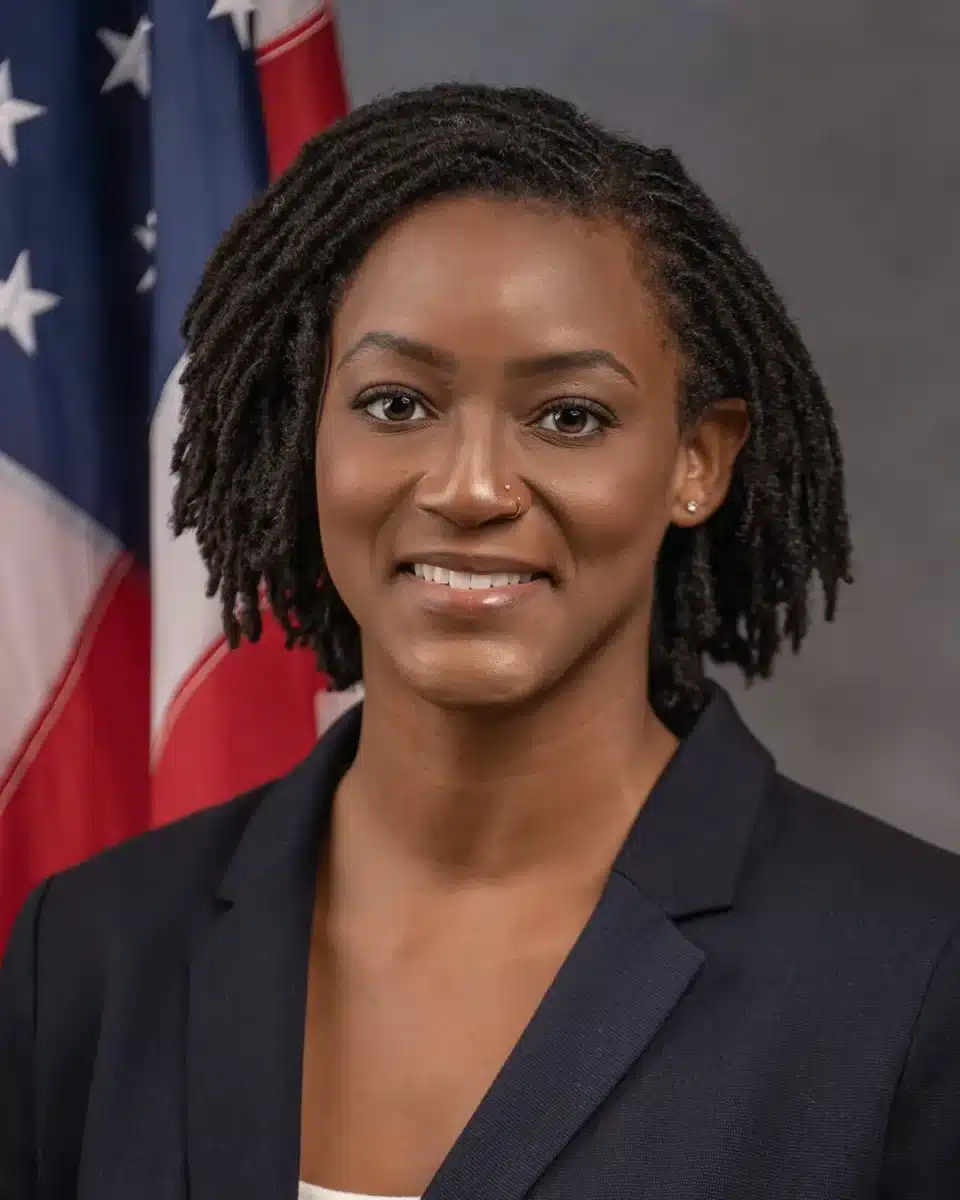
Massachusetts Attorney General Andrea Campbell filed a lawsuit in Suffolk Superior Court on May 29, 2026, accusing UnitedHealthcare Insurance Company of defrauding the state’s Medicaid program out of more than $100 million. The suit alleges that UnitedHealthcare systematically misclassified the health conditions of elderly and disabled MassHealth members to artificially inflate their acuity scores and secure higher capitated payments from the state.
🔥 Quick Facts
- $100 million in alleged fraudulent Medicaid overpayments claimed by Massachusetts AG
- Suffolk Superior Court lawsuit filed May 29, 2026 by Attorney General Andrea Joy Campbell
- Upcoding scheme targeted elderly and disabled MassHealth members to manipulate acuity scoring
- First major claim of fraudulent Medicare-Medicaid dual enrollment coding in the nation
The Acuity Manipulation Strategy
UnitedHealthcare allegedly engaged in systematic upcoding — a practice where insurance companies misrepresent patient diagnosis and severity to justify higher payments. In Massachusetts’s capitated Medicaid model, plans receive fixed monthly payments per member adjusted by acuity scores. Higher acuity scores translate to substantially higher revenues, creating financial incentives for misclassification.
The allegations center on MassHealth Senior and Disabled Members (SDM) plans, which serve elderly and disabled beneficiaries. According to AG Campbell’s office, UnitedHealthcare manipulated the enrollment data and health status of these vulnerable populations to escalate acuity risk scores beyond what actual patient conditions warranted. Diagnosis patterns showed dramatic upward shifts compared to historical baselines and competitor plans, suggesting systematic coding inflation rather than genuine clinical changes.
Evidence and Allegations
The Massachusetts Medicaid Fraud Division identified specific patterns in how UnitedHealthcare coded conditions for its MassHealth members. The state alleged that the insurer exaggerated the prevalence and severity of chronic diseases, psychological conditions, and functional impairments across its elderly member population. This created artificial acuity profiles that justified capitation rates significantly higher than actual member risk warranted.
Unlike traditional fraud schemes that involve false billing to government programs, this case represents one of the first major accusations of fraudulent upcoding within dual-eligible Medicare-Medicaid populations. The strategy exploited the interaction between federal Medicare risk adjustment models and state Medicaid capitation payments, where the same coding could generate revenue through multiple payment streams.
Comparative Market Context
| Metric | Information |
| Type of Alleged Fraud | Diagnosis code misclassification / upcoding |
| Alleged Amount | Over $100 million in fraudulent Medicaid payments |
| Target Population | Elderly and disabled MassHealth members (dual-eligible) |
| Payment Model Exploited | Capitated rates adjusted by acuity scores |
| Court Filing Date | Friday, May 29, 2026 in Suffolk Superior Court |
| Legal Basis | Commonwealth’s consumer protection and Medicaid fraud statutes |
The lawsuit compares UnitedHealthcare’s coding patterns to those of other Medicaid insurers operating in Massachusetts. According to the state’s allegations, competitor plans serving similar elderly populations showed dramatically different diagnosis distributions, suggesting UnitedHealthcare’s elevated acuity profiles were not clinically accurate but rather the result of deliberate coding practices designed to maximize revenue.
Regulatory and Industry Implications
This enforcement action reflects heightened scrutiny of Medicaid managed care profitability at a time when state programs face severe fiscal pressure. Massachusetts, like many states, depends on managed care organizations to control Medicaid spending while maintaining care quality. Fraud within capitated payment systems threatens this balance by shifting resources away from actual patient care toward corporate profits.
The case also signals growing federal-state coordination on Medicaid compliance. The Massachusetts Medicaid Fraud Division receives 75 percent of its funding from the U.S. Department of Health and Human Services under a federal grant, enabling states to investigate health plan conduct. As financial institutions and healthcare payers navigate ongoing regulatory pressure, sophisticated fraud detection in Medicaid has become a priority for federal and state law enforcement.
“No insurance company should profit by manipulating the health status of our most vulnerable seniors and disabled residents. This lawsuit holds UnitedHealthcare accountable for defrauding MassHealth out of millions of dollars that rightfully belong to the patients and communities we serve.”
— Massachusetts Attorney General Andrea Joy Campbell, statement on lawsuit filing, May 29, 2026
Legal Pathway and Damage Recovery
The lawsuit alleges violations of the Massachusetts consumer protection statute and Medicaid fraud laws. These statutes permit the state to recover actual damages plus civil penalties. If UnitedHealthcare is found liable for fraudulent conduct, Massachusetts could recover the full $100 million alleged overpayment plus statutory penalties, effectively tripling or multiplying the financial consequence. Such recoveries are typically directed back into Medicaid programs or the state’s general fund.
UnitedHealthcare has not yet publicly responded to the allegations beyond any standard legal defense filings. The company, a subsidiary of UnitedHealth Group, is one of the nation’s largest healthcare companies by market capitalization and operates Medicaid plans in multiple states. Previous enforcement actions against major insurers have typically resulted in settlements in the dozens or hundreds of millions of dollars.
What Could This Case Mean for Medicaid Plans and Patients?
If the state prevails, this case could reshape how Medicaid managed care organizations conduct coding and acuity assessment. Insurers nationwide may face intensified auditing of diagnosis-coding practices, particularly for vulnerable elderly and disabled populations. Plans that engage in similar upcoding schemes in other states could face parallel investigations.
For MassHealth members, a successful lawsuit recovery could fund enhanced care services, provider network expansion, or direct rebates to the state program. The case also reinforces patient advocacy rights — members who believe their diagnoses were misrepresented could have standing to file complaints or participate in regulatory reviews of plan conduct.
Sources
- Massachusetts Attorney General’s Office — Official lawsuit filing and statement, May 29, 2026
- STAT News — Reporting on upcoding allegations and dual-eligible fraud patterns
- Reuters Legal — Comprehensive coverage of Medicaid fraud allegations and settlement landscape
- Fierce Healthcare — Analysis of insurance company compliance and regulatory environment
- Massachusetts Medicaid Fraud Division — Investigation findings and data analysis methodologies