
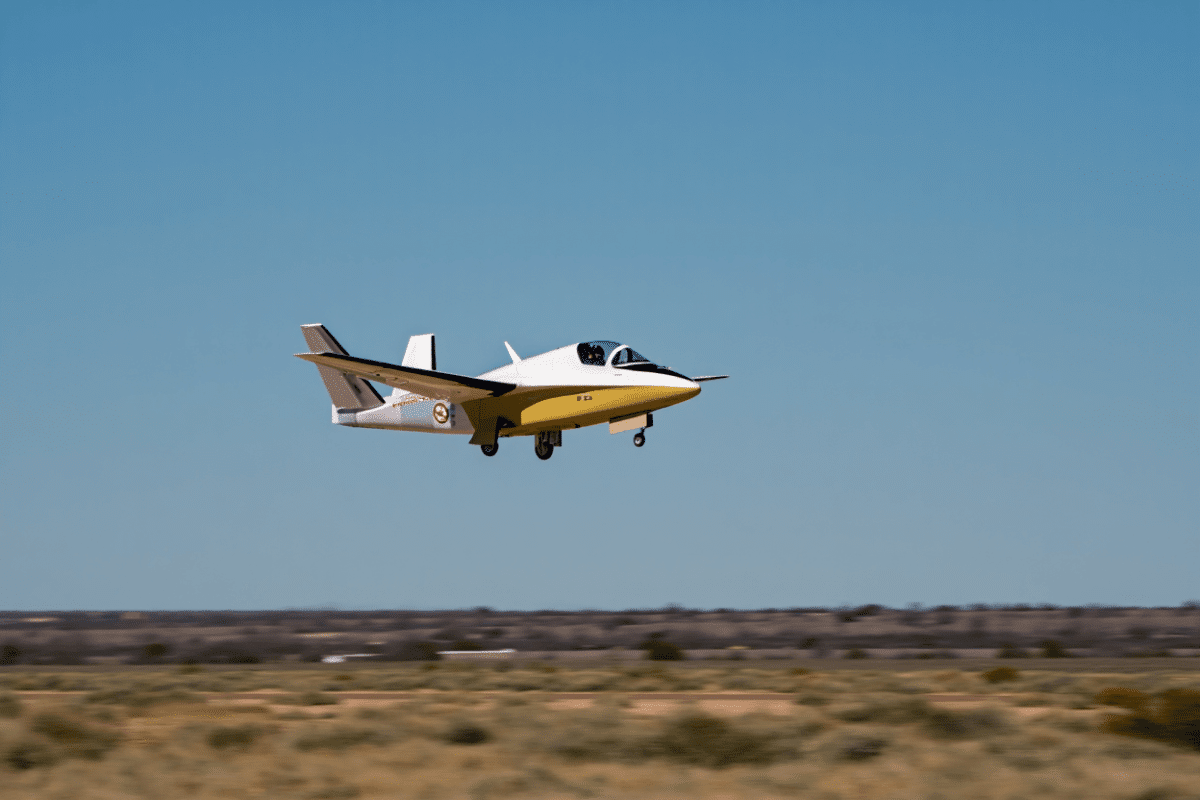
SPCE stock surged 16% to $3.75 on May 28, 2026, following Virgin Galactic‘s successful VSS Unity glide flight on May 27 at Spaceport America in New Mexico. The milestone marks the company’s return to active flight testing after a two-year operational pause, signaling tangible progress toward commercial spaceflight operations launching in Q4 2026.
🔥 Quick Facts
- SPCE rallied 16% to $3.75 on May 28, 2026 following successful glide flight
- VSS Unity achieved successful glide test on May 27, 2026 at Spaceport America
- New SpaceShip glide tests scheduled for Q3 2026 with rocket-powered flights in Q4
- Virgin Galactic targets commercial launch in late 2026 at $750,000 per seat
- Market cap stands at $391 million with expanding institutional interest
The Return to Flight: Two Years in the Making
Virgin Galactic grounded its spaceflight operations in 2024 to overhaul its test program and develop next-generation hardware. The company pivoted to building its Delta-class spaceplane—a new design engineered for faster turnaround between missions and higher commercial throughput. May 27, 2026 represented the first operational flight of VSS Unity since the program pause, proving critical hardware integrations and procedures still functioned reliably.
This test matters for three reasons. First, VSS Unity serves as the validation platform for Virgin Galactic‘s entire flight envelope and procedures. Second, a clean glide flight reduces technical risk before rocket-powered ascents begin. Third, investors interpreted the successful test as confirmation that management’s Q4 2026 commercial target is achievable rather than aspirational.
Stock Catalyst: Execution Risk Declining
SPCE stock had already begun recovering in late May, climbing from $2.47 on May 20 to $3.68 by May 26—a 49% gain in six trading days. This pre-glide surge stemmed from Jefferies analyst backing of the company’s Q4 2026 launch roadmap and management reaffirming timelines during earnings calls. The May 27 glide flight transformed investor sentiment from cautious optimism to demonstrated execution.
Virgin Galactic closed the trading day at $3.75, up $0.25 from opening. Daily trading volume exceeded historical averages, indicating renewed retail and institutional attention. The stock’s 52-week range reflects extreme volatility—from under $2.00 to peaks above $4.00—typical of early-stage commercial space ventures with undiversified revenue streams.
Execution Timeline and Technical Milestones
| Event | Timeline | Significance |
| VSS Unity Glide Flight | May 27, 2026 (Completed) | Baseline procedures and vehicle systems validated |
| New SpaceShip Glide Tests | Q3 2026 (July-September) | Next-generation Delta-class preliminary testing |
| Rocket-Powered Test Flights | Q4 2026 (October-December) | Commercial certification pathway and regulatory approval |
| Commercial Operations Launch | Q4 2026 (October-December) | First paying customer flights; revenue generation begins |
| Flight Cadence Ramp | Q1-Q2 2027 (4 to 8 flights/month) | Operational scaling toward profitability threshold |
The May 27 glide flight cleared technical hurdles that historically challenged space vehicle programs. VSS Unity was released at altitude from the Eve mothership, successfully navigated unpowered descent, and landed safely. This baseline confirms that Virgin Galactic‘s hybrid rocket motor, aerodynamic surfaces, and navigation systems remain functional after 24+ months of ground storage.
Commercial Sector Context and Investor Thesis
Virgin Galactic operates in the nascent suborbital space tourism market alongside Blue Origin and smaller operators. The $750,000 ticket price established in March 2026 reflects both scarcity (limited seats available) and the ultra-high-net-worth demographic willing to pay for parabolic flight experiences. Industry analysts expect $300 million+ in bookings across multiple years, though execution timelines remain critical.
Stock rebounds in high-risk aerospace ventures typically follow successful test flights or regulatory clearances. Similar pattern occurred with recent companies announcing strong earnings beats—the market rewards tangible progress after prolonged uncertainty. SPCE’s climb from $2.47 to $3.75 within days mirrors investor behavior when milestone risk begins clearing.
“The successful completion of VSS Unity’s glide flight validates our integrated test strategy and positions us to commence the new SpaceShip flight-test program in Q3 with high confidence.”
— Virgin Galactic Leadership, Company Announcement, May 27, 2026
What Could Derail the Momentum?
While May 28’s rally reflects genuine progress, several execution risks remain. New SpaceShip glide tests in Q3 2026 could surface design issues, manufacturing quality problems, or aerodynamic anomalies. Rocket-powered test flights in Q4 introduce additional complexity—hybrid motor ignition, burnout sequencing, and thermal protection system performance under extreme conditions. Any mishap delays commercial operations into 2027, eroding investor confidence.
Regulatory approval from the FAA for commercial human spaceflight requires multiple hazard analyses and safety case submissions. Blue Origin’s program faced multi-year certification delays previously. Virgin Galactic must clear identical hurdles before taking customers. Delays beyond Q4 2026 would likely trigger significant stock correction.
Demand risk also exists. If high interest in spaceflight commoditizes due to Blue Origin or other operators scaling, ticket prices could compress below $750,000. Virgin Galactic‘s financial projections assume sustained premium pricing; erosion directly impacts unit economics.
What Happens Next for SPCE Investors?
The next 10-12 weeks prove decisive. July-September 2026 brings additional glide tests with SpaceShip Delta, offering monthly proving opportunities or stumbles. October-December accelerates stakes with rocket-powered flights and regulatory decisions. Each successful test flight likely triggers small rallies; any delays or incidents cause sharp declines.
SPCE’s $3.75 close represents approximately 17% gain year-to-date from $3.21 opening in January 2026. Analysts estimate fair value between $5.00-$8.00 if the company achieves 2027 commercial ramp, versus under $1.00 if the program stalls. The binary nature of space ventures makes SPCE appropriate only for risk-tolerant investors.
Sources
- Virgin Galactic Official Newsroom – May 27, 2026 glide flight announcement and Q3-Q4 2026 timeline confirmation
- SpaceNews – Technical details of VSS Unity glide test and next-generation platform specifications
- GuruFocus – May 27-28 SPCE stock surge analysis and investor reaction
- Yahoo Finance / MarketBeat – Historical SPCE price data and 52-week performance metrics
- USA Today – Commercial operations roadmap and $750,000 ticket pricing
- Investing.com – Earnings call summaries and management guidance confirmation










