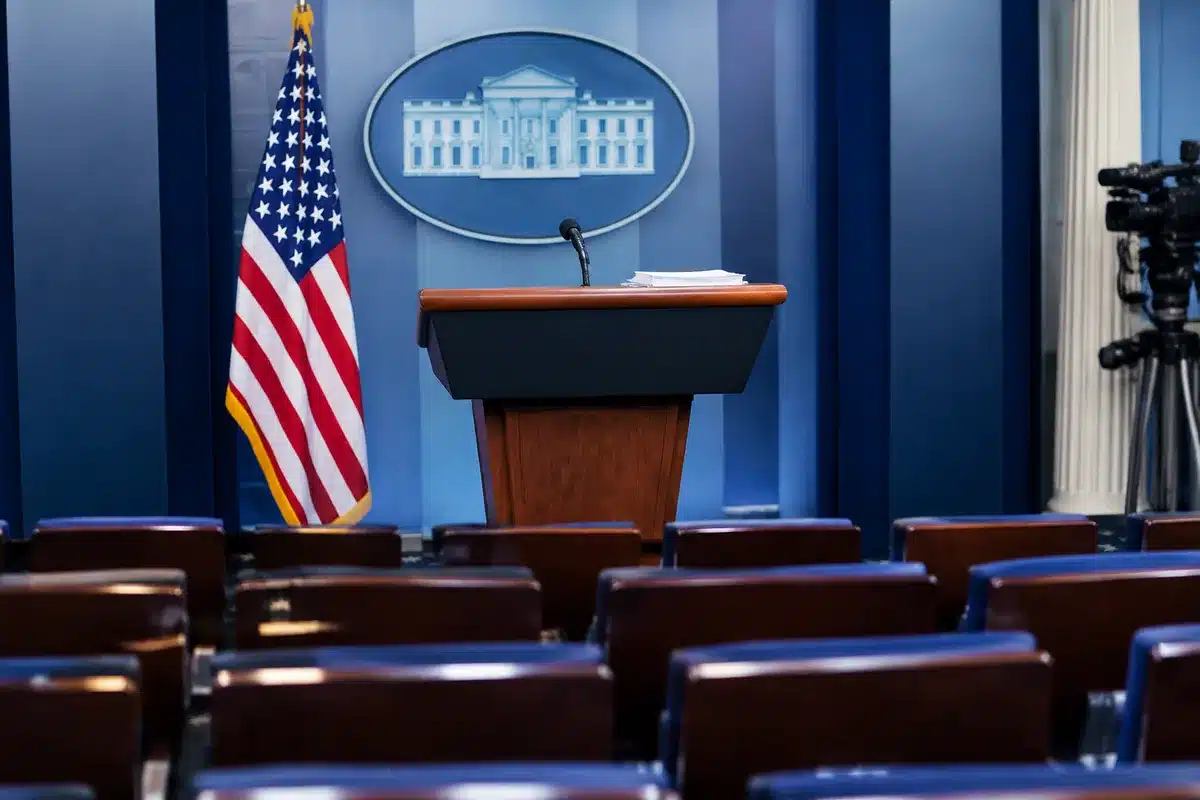
The United States and Iran have reached a draft 60-day ceasefire and nuclear talks framework that represents a significant breakthrough in months of diplomatic negotiations. The agreement now awaits President Trump’s final approval, according to officials from both nations. The framework, negotiated with mediation from Pakistan and Qatar, would permit three months of intensive talks aimed at resolving core disputes over the Strait of Hormuz and nuclear inspections.
🔥 Quick Facts
- 60-day framework reached as of May 28, 2026, pending Trump approval
- Uranium enrichment cap set at 3.67 percent — well below weapons-grade levels
- $24 billion in frozen Iranian assets could be released under the agreement
- Strait of Hormuz reopening central to economic recovery for both nations
- Mediation by Pakistan and Qatar facilitated breakthrough after months of stalled talks
The Road to This Breakthrough: A Months-Long Crisis
The 2026 Iran conflict began in early February when air strikes targeted Iranian military installations, escalating into the most significant regional confrontation in years. Iran retaliated with missile strikes against American bases in the region, prompting further military responses. The conflict’s economic fallout was immediate: the Strait of Hormuz was closed starting March 4, 2026, disrupting roughly one-third of global oil trade and forcing Brent Crude prices above $120 per barrel. This disruption affected shipping lanes, energy markets, and global supply chains across multiple industries.
By mid-March, negotiations began after both sides signaled interest in de-escalation. Initial ceasefire discussions stalled repeatedly over disagreements regarding sanctions relief, nuclear verification, and control of maritime trade routes. The breakthrough announced May 28 reflects movement on core sticking points that had divided negotiators for weeks.
What the 60-Day Framework Actually Accomplishes
The proposed accord establishes two distinct phases: a 60-day ceasefire window during which both nations cease all military operations, and a structured negotiation period addressing the permanent reopening of the Strait of Hormuz. According to multiple diplomatic sources, Iran has accepted uranium enrichment limits at 3.67 percent — significantly lower than the 60 percent enrichment levels Iran achieved during periods without international monitoring. Inspections by International Atomic Energy Agency (IAEA) personnel would be permitted at key nuclear facilities to verify compliance.
The economic dimension is equally critical. Reports indicate Iran is seeking release of approximately $24 billion in blocked funds that were frozen under American sanctions. Additionally, the framework contemplates gradual sanctions relief tied to successful implementation of nuclear commitments. For the United States, verification mechanisms and preservation of leverage to enforce future compliance are non-negotiable elements.
Deal Timeline and Key Metrics
| Element | Current Status / Specification |
| Framework Announcement | May 28, 2026 |
| Ceasefire Duration | 60 days from framework acceptance |
| Uranium Enrichment Cap | 3.67% (current: 60%, pre-crisis: 3.65%) |
| IAEA Inspection Access | Expanded monitoring at declared facilities |
| Frozen Assets at Risk | ~$24 billion (conditional release) |
| Strait of Hormuz Status | Currently closed; reopening negotiation priority |
| Oil Price Impact | Brent Crude at $120+/barrel (pre-crisis ~$90) |
The timeline shows Trump administration intentionally set no rigid deadlines for final agreement, preferring instead to allow negotiators flexibility to craft sustainable terms. Senior officials confirmed that the president emphasized quality of deal over speed of implementation.
Economic and Strategic Implications for U.S. Markets
The agreement’s approval would likely trigger immediate positive reactions in energy markets and global equities. If the Strait of Hormuz reopens fully, analysts estimate Brent Crude could stabilize near $80-90 per barrel — a decline of roughly 25-30% from current crisis levels. This correction would relieve inflationary pressure on transportation costs, airline fuel surcharges, and manufacturing input expenses across American industries. The insurance and shipping sectors, which faced elevated risk premiums during the blockade, would see normalization of maritime insurance rates.
For geopolitical risk perception, a formalized peaceful settlement demonstrates that even severe regional conflicts can be resolved through intensive diplomacy. This signals to markets that the Trump administration’s willingness to negotiate — despite initial military escalation — can produce durable outcomes. However, critics point out that major global economic shifts require sustained verification mechanisms, not merely signed agreements.
“The framework represents a turning point because it addresses not just short-term ceasefire, but creates a pathway for permanent nuclear agreement that both sides can claim as victory. Iran gets sanctions relief and asset recovery; the United States gets verifiable nonproliferation commitments.”
— Senior State Department official, speaking to Reuters on May 27, 2026
What Happens Next If Trump Approves
If Trump signs off on the framework within days, both nations would immediately halt military operations and begin prisoner exchanges and vessel releases. The 60-day negotiation window would focus on three critical areas: (1) Strait of Hormuz maritime control arrangements, ensuring neither side can unilaterally close the passage; (2) sanctions relief sequencing, with phased lifting tied to verified nuclear steps; and (3) reparations and asset recovery, balancing Iran’s war losses against American demands for compliance guarantees.
The bigger uncertainty centers on whether Congress will challenge the president’s authority to implement sanctions waivers without legislative approval. Some Senate members have already indicated skepticism about releasing frozen assets without explicit congressional vote. This internal U.S. political friction could delay implementation even if Trump personally endorses the terms.
Could This Deal Actually Hold, or Will It Collapse Like Previous Agreements?
The lasting success of any Iran deal depends entirely on three factors: verification, enforcement mechanisms, and political continuity. The 2015 JCPOA (Joint Comprehensive Plan of Action) collapsed partly because a subsequent U.S. administration withdrew unilaterally. The current framework attempts to address this by requiring Senate oversight provisions and multinational monitoring by IAEA. However, the deal remains vulnerable to future geopolitical shifts — a change in U.S. administration or regional escalation could restart tensions. Iranian officials have publicly stated that any deal must permanently lift all oil sanctions, not temporary waivers, suggesting future negotiations will face similar impasses about sanctions permanence.
Market analysts are pricing in roughly 60-65% probability of deal completion based on historical precedent of similar negotiations. The remaining 35-40% risk reflects uncertainties around Trump’s final sign-off and congressional opposition.
What Does This Framework Mean for American Investors and Consumers?
Ordinary Americans would feel the impact most directly through gas prices at the pump and heating oil costs this winter. A successfully implemented agreement could lower fuel prices by 15-25% within 3-6 months as global oil supply normalizes. Aviation stocks have already begun pricing in potential relief, with airline fuel costs representing roughly 25-30% of operating expenses during high-price periods. Stock markets have historically responded positively to geopolitical de-escalation, though the current rally appears partially priced in given weeks of deal negotiations coverage.
For long-term investors, the broader implication is stability in the Middle East enables renewed capital deployment into traditional energy and infrastructure sectors, though renewable energy stocks may face headwinds if oil prices fall sharply, reducing competitive pressure on fossil fuels.
Sources
- Axios — “Scoop: U.S. and Iran reach deal but need Trump’s final approval” (May 28, 2026)
- Reuters — “Trump says there is no rush for Iran deal, US blockade stays” (May 25, 2026)
- BBC — “Trump tells US negotiators ‘not to rush’ into deal with Iran” (May 24, 2026)
- Al Jazeera — “US, Iran inch closer to deal to end the war” (May 24, 2026)
- CNN — “What’s in the proposed deal that could end the US-Iran conflict” (May 24, 2026)
- The Washington Post — “U.S. and Iran trade strikes as Trump says he feels no pressure for peace deal” (May 28, 2026)
- The Guardian — “Donald Trump shares draft Iran peace agreement with Israel and other allies” (May 28, 2026)
- Wall Street Journal — “Iran’s Dream Deal: Economic Relief, No Trump Victory” (May 26, 2026)
- Wikipedia — “2025–2026 Iran–United States negotiations” (continuously updated)