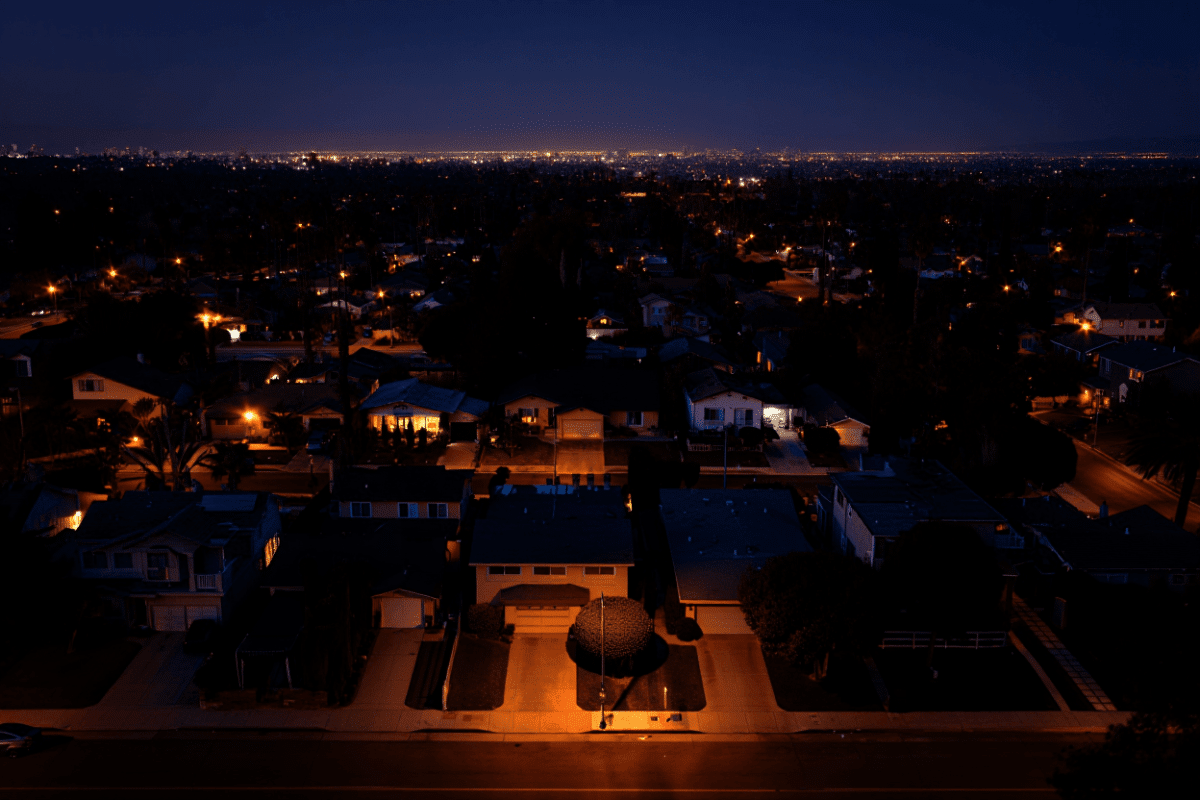
Los Angeles is experiencing scattered power outages affecting 379 customers across the county as of May 26, 2026. The disruptions are concentrated in multiple neighborhoods, with LADWP crews actively working to restore service. This marks part of a broader pattern of grid strain affecting California, where outages remain a critical concern for residents during peak demand periods.
🔥 Quick Facts
- 379 homes and businesses currently without power in Los Angeles County
- LADWP crews responding across multiple scattered outage locations
- 0.01% of Los Angeles County’s 4.16 million tracked customers affected
- May 26, 2026 — outages reported during evening hours (11:55 PM PST)
- California-wide — 11,102 total customers experiencing outages
What Is Happening With Power Outages Near Me?
Scattered outages across Los Angeles County indicate localized distribution network failures rather than a systemic grid collapse. The 379 affected customers represent a relatively small percentage of the county’s total load, but the disruption underscores the vulnerability of aging electrical infrastructure under demand pressure. LADWP reports that crews have been dispatched to affected areas, and restoration times vary based on outage complexity and cause. Most residential outages resolve within 2 to 4 hours, though some technical faults may require longer repair windows.
The timing of these outages—occurring during late evening in May—suggests weather-related triggers or grid load balancing issues rather than planned maintenance. Peak summer demand typically arrives in July and August, but spring heat waves increasingly create unexpected strain on California’s electricity system.
Why Are Scattered Outages Becoming More Common?
California’s power grid operates under tightening constraints driven by population growth, climate change, and renewable energy integration. The state’s utilities—including LADWP, Southern California Edison, and Pacific Gas & Electric—now manage variable supply from solar and wind resources alongside traditional baseload generation. This complexity increases the likelihood of localized failures when demand spikes or when transmission equipment degrades.
Historical data shows that scattered outages affecting hundreds of customers are now reported multiple times per month across Los Angeles County. The transition away from fossil fuels, while necessary for climate goals, has temporarily reduced operational flexibility during peak hours. Additionally, aging infrastructure in some neighborhoods dates back decades, creating points of failure when electrical loads spike unexpectedly.
How Do Power Outage Statistics Compare Across California?
As of May 26, 2026, California was tracking 11,102 customers without power statewide, distributed across multiple utilities and counties. Los Angeles County’s 379 outages represent roughly 3.4% of the state’s current disruptions, despite the county serving over 10 million residents. This distribution suggests that LADWP’s infrastructure reliability performs better than state averages on scattered-outage metrics.
| Outage Severity Level | Customers Affected | Typical Duration | Cause Categories |
| Scattered Outages | 100-500 | 1-4 hours | Equipment failure, animal contact, weather |
| Localized Outages | 500-10,000 | 3-8 hours | Substation issues, downed lines, heavy load |
| Regional Blackouts | 10,000+ | 6-24+ hours | Cascading failures, transmission damage |
| Rolling Blackouts | Millions | 1 hour (rotating) | System-wide capacity shortage |
Current Los Angeles County outages fall into the “scattered” category, indicating independent failures rather than systemic grid stress. This is a positive signal: it suggests the overall system remains functional and utilities can isolate and repair specific problems without triggering broader disruptions.
“The time to prepare for a power outage is before an outage occurs. Have flashlights, batteries, first aid supplies, and an emergency plan in place so your household stays safe and informed.”
— Los Angeles Department of Water & Power, Emergency Preparedness Division
What Should You Do If You Lose Power?
Immediate actions matter during a power outage. First, check if neighbors have power—if they do, your specific location may have a localized issue requiring LADWP service. Report the outage online at LADWP.com/Outages or call 1-800-342-5397 (1-800-DIAL-DWP) to receive restoration estimates and track progress.
During an outage, keep refrigerator and freezer doors closed to preserve food safety. Most refrigerated foods remain safe for 4 hours if kept sealed, and frozen items stay safe for 24-48 hours in a full freezer. Never light charcoal or gas stoves indoors—this creates carbon monoxide poisoning risk, a serious hazard during extended outages. If you have medical equipment requiring power, contact your healthcare provider for backup generator guidance and possible utility assistance programs.
Document the outage for potential insurance claims or utility reimbursement. Take photos of spoiled food, medical expenses related to power loss, and any property damage. Keep receipts for emergency supplies purchased during the outage, as some utilities offer limited compensation for customer costs.
How Can You Prepare for Future Outages?
Power outage preparedness is critical for Los Angeles residents, given California’s aging grid and increasing climate volatility. Build an emergency kit including flashlights, battery-powered radio, first aid supplies, non-perishable food, and enough water for one gallon per person per day. Maintain backup power sources: consider a portable generator (keep fuel stored safely outdoors), solar power banks, or rechargeable LED flashlights.
Charge devices regularly and keep a battery-powered phone charger available. Sign up for LADWP outage alerts at LADWP.com to receive notifications when outages are reported in your zip code. Create a family communication plan specifying where to meet if separated and establish a contact person outside the Los Angeles area. Vulnerable household members—elderly residents, those on life-support equipment, or people with chronic health conditions—should coordinate with LADWP’s medical baseline program, which prioritizes restoration and may provide emergency assistance.
Tree maintenance matters: overgrown vegetation touching power lines causes an estimated 25-30% of California outages. Request that LADWP trim trees near your property lines, and report hazardous growth to 1-800-DIAL-DWP. This simple step reduces your risk of localized outages dramatically.
Sources
- PowerOutage.us — Real-time California outage tracking and county-level statistics
- Los Angeles Department of Water & Power (LADWP) — Official outage map, reporting system, and emergency guidance
- California Governor’s Office of Emergency Services (Cal OES) — State-level power outage incident tracking
- LA County Ready Program — Preparedness resources and power outage response procedures
- U.S. Department of Energy — Grid reliability reports and outage data analysis