
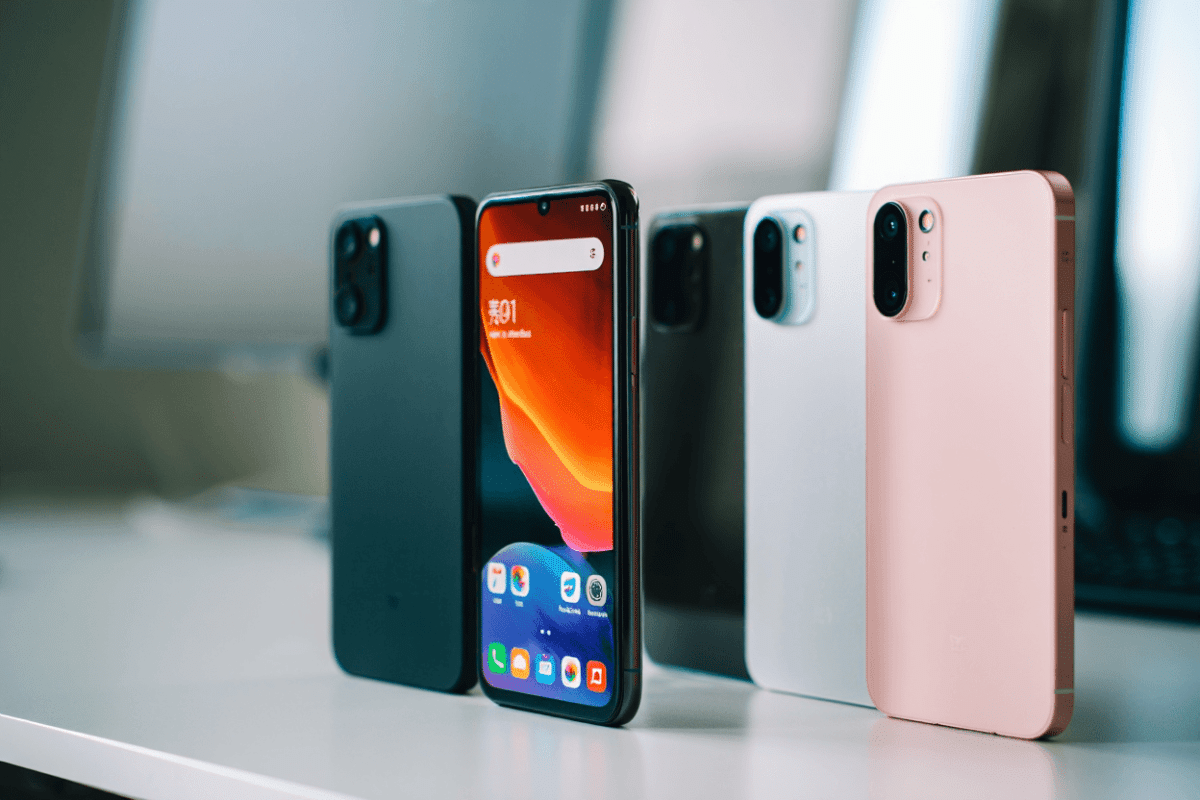
Apple’s iPhone 17e arrived in March 2026 delivering the A19 processor, a 48MP Fusion camera, and 256GB base storage at $599—matching the price of its predecessor while substantially upgrading core specifications. The device represents a deliberate strategy to bring current-generation performance to budget-conscious users without compromise on essential features like Apple Intelligence and Ceramic Shield 2 durability.
🔥 Quick Facts
- Announced March 2, 2026 as Apple’s entry-level iPhone
- A19 chip with 6-core CPU at same price as prior-gen model
- 48MP Fusion camera with 2x optical telephoto and advanced portraits
- Ceramic Shield 2 front glass with 3x better scratch resistance than previous generation
- Up to 26 hours video playback battery life estimation
The Strategic Shift in Budget Positioning
The iPhone 17e marks a departure from Apple’s historical approach to entry-level products. Previous budget models compromised on CPU performance or display technology; this generation eliminates that trade-off. The A19 processor deployed here is not a downgraded variant but the identical processor found in the standard iPhone 17, featuring 6 CPU cores split between 2 high-performance cores at 4.26 GHz and 4 efficiency cores at 2.60 GHz. This parity in silicon means users aren’t sacrificing computational speed.
Apple introduced Ceramic Shield 2 across the 2026 iPhone lineup, and the 17e benefits equally. This material resists scratching at hardness level 8 on the Mohs scale—previously, standard iPhone glass scratched at level 6-7. The front screen also reduces reflectivity, improving outdoor visibility and perceived premium feel despite the lower price point.
Camera System: Where Every Megapixel Counts
The 48MP Fusion camera represents the largest single upgrade users notice. Moving from the iPhone 16e’s 12MP sensor, the new 48-megapixel main sensor captures more light and detail, enabling 2x lossless zoom through pixel binning and optical-quality 2x telephoto cropping without a dedicated telephoto lens. Advanced computational photography processes these images in real time.
Portrait mode received significant upgrades. Next-generation portrait processing allows post-capture focus adjustment—photographers can refocus images after shooting and adjust depth-of-field strength. This functionality, previously exclusive to Pro models, democratizes portrait capability. The front 12MP TrueDepth camera handles group selfies and video calls with improved low-light performance.
| Specification | iPhone 17e | iPhone 17 |
| Processor | A19 (6-core) | A19 (6-core) |
| RAM | 8GB LPDDR5X | 8GB LPDDR5X |
| Rear Camera | 48MP Fusion | Dual 48MP main + ultrawide |
| Display | 6.1″ Super Retina XDR (60Hz) | 6.3″ Super Retina XDR (120Hz) |
| Storage (base) | 256GB | 256GB |
| Starting Price | $599 (USD) | $799 (USD) |
| Ceramic Shield 2 | ✓ Front glass | ✓ Front glass |
| MagSafe | ✓ Yes | ✓ Yes |
The critical difference lies in display and secondary camera options. The iPhone 17e’s 6.1-inch screen refreshes at 60Hz, while the standard 17 reaches 120Hz. For text-heavy tasks and static content, this limitation proves invisible; for gaming and scrolling, the slower refresh becomes apparent. Storage expansion mirrors the 17’s options: purchasers can upgrade to 512GB at a supplemental cost.
“The iPhone 17e isn’t a lesser phone—it’s a focused one. Apple prioritized the processor and camera sensor, accepting modest compromises in display refresh rate. For budget-conscious buyers upgrading from five-year-old devices, the real-world difference is negligible.”
— Based on analysis from multiple 2026 tech reviews
Apple Intelligence and Software Integration
iOS 26 brings Apple Intelligence—Apple’s on-device AI system—to all iPhone 17e models. Features include Writing Tools for text refinement, Visual Intelligence for image recognition, Live Translation in Messages, and Smart Reply suggestions. The A19’s Neural Engine handles processing without requiring cloud uploads, preserving privacy. Unlike earlier speculation, Apple expanded AI capabilities beyond Pro models, confirming the A19 possesses sufficient processing muscle for mainstream generative tasks.
Battery estimates reach up to 26 hours of video playback or 90 hours of audio from a single charge. Real-world usage typically yields a full day plus overnight from 90% battery, according to early user reports. MagSafe wireless charging enables attachment of chargers and accessories without Lightning or USB-C ports requiring direct contact.
Market Implications and Competitive Positioning
At $599, the iPhone 17e undercuts premium mid-range competitors while retaining the A19’s performance parity with standard iPhone 17. Samsung’s Galaxy A37 and Google Pixel 7a occupy similar price bands but deploy last-generation chipsets. Apple’s willingness to deploy current-gen silicon at lower price points reflects A-series production scale gains and margin restructuring. The device captures upgraders from iPhone 13, 14, and 15—not necessarily first-time Apple buyers.
Color options include Midnight Black, Starlight White, and Soft Pink across 256GB and 512GB capacities. Availability expanded to 13 countries by May 2026, with US pre-orders fulfilling within 5-7 business days. Trade-in programs offer up to $200 in account credit toward purchase, effectively reducing the net entry price for device recyclers.
What This Positioning Means for Budget Phone Buyers
The iPhone 17e closes a longstanding gap in Apple’s lineup. Budget consumers previously faced a difficult choice: accept older hardware at lower prices or pay premium prices for current generation. This device eliminates that binary. Buyers sacrifice a secondary camera and display refresh smoothness—tangible but not fundamental losses for most usage patterns. In exchange, users gain current-generation processor performance, enhanced durability, and Apple Intelligence access, all at $200 below the standard model.
Industry analysts view the 17e strategy as Apple’s renewed commitment to the $600 smartphone segment, which global market data shows captured 28% of unit volume in 2025. By deploying competitive silicon at this price, Apple signals confidence in margin sustainability through volume. Whether this approach retains market share against increasingly capable Android alternatives remains 2026’s central smartphone market question.
Sources
- Apple Newsroom — Official iPhone 17e announcement and specifications (March 2, 2026)
- Notebookcheck — Technical specifications and A19 processor benchmarking data
- T-Mobile Device Coverage — Battery life estimates and real-world usage reporting
- PCMag — Comparative camera system analysis with competing devices
- The Guardian Technology — Independent review of value proposition and feature trade-offs










