PG&E’s outage forecast shows no Public Safety Power Shutoffs planned for Northern California through May 24, 2026, marking a significant relief after the utility activated widespread shutdowns the previous weekend to prevent wildfire ignition. The 7-day forecast from PGE’s Predictive Services indicates improving weather conditions and declining fire risk across the region, with normal to slightly above-normal temperatures expected and reduced wind threats. This pause in protective shutdowns reflects the utility’s data-driven approach to balancing wildfire prevention against customer service disruptions.
🔥 Quick Facts
- 7-day PSPS forecast shows zero planned shutoffs through May 24, 2026
- Prior PSPS event (May 17-19) affected 46,000+ customers across 15 Northern California counties
- PGE operates 1,600+ weather stations across its service territory for real-time fire risk assessment
- Average PSPS duration in California is nearly two days, though some extend beyond six days
- Fire weather season extends into June with above-normal warm, dry conditions forecast
What Changed Since Last Weekend’s Shutoffs
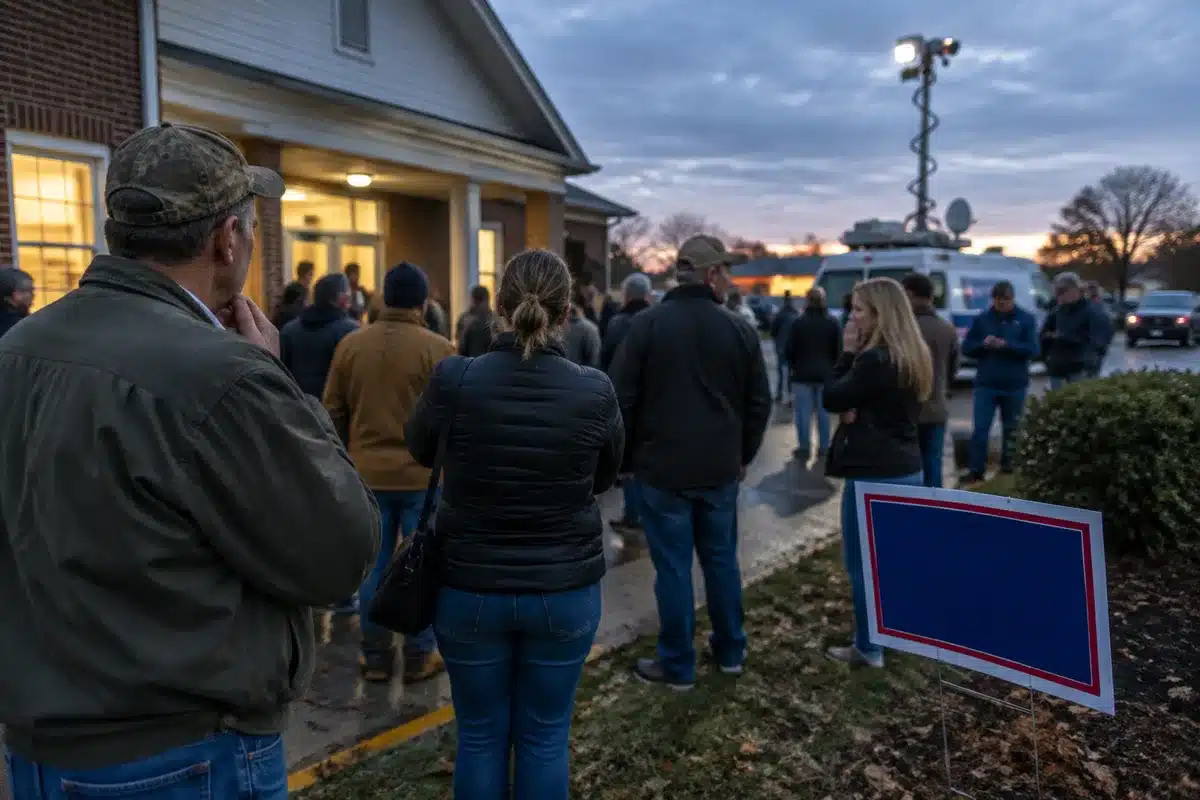
PG&E activated Public Safety Power Shutoffs (PSPS) for the first time in 2026 during the weekend of May 17-19, targeting nearly 7,382 customers across portions of 15 counties, including Alameda, Colusa, Glenn, Lake, Napa, San Joaquin, Solano, Sonoma, Tehama, Yolo, and others. The event was triggered by a confluence of extreme fire-weather conditions: low relative humidity below 20 percent, northerly winds gusting to 30-50+ miles per hour, and above-normal temperatures that combined to elevate fire danger ratings significantly. By Sunday, May 18, the actual PSPS had expanded to affect approximately 46,000 customers as conditions worsened across multiple counties, demonstrating PGE’s aggressive use of de-energization to prevent utility-sparked fires. San Joaquin County experienced the highest impact with 2,967 affected customers, followed by Tehama with 1,129 customers and Glenn with similar numbers. Multiple fires were reported during this period despite the preventive shutoffs, underscoring the severity of conditions.
The recovery timeline was rapid: power was scheduled for restoration between noon and 4 p.m. Monday, May 19, as weather conditions stabilized. This represents PGE’s operational strategy—brief, targeted shutdowns during extreme fire-weather windows rather than extended outages. The National Weather Service had issued a Red Flag Warning for portions of the region, which is the highest fire-weather alert issued when conditions exist or are forecast to exist that may result in extreme fire behavior within 24 hours.
Why the Forecast Shifts to No Shutoffs
PGE’s Predictive Services division evaluates wind speed, humidity, and temperature data from its network of weather stations across Northern and Central California. According to the 7-day PSPS forecast updated as of May 24, conditions are trending favorably. The pattern shows a return to normal to slightly above-normal temperatures with significantly lower wind threats through the immediate forecast period. While breezy to gusty northerly winds may develop later in the week around Wednesday and Thursday, these are not expected to coincide with the critical confluence of other fire-weather elements (very low humidity, elevated temperatures, and dry vegetation). The timing and intensity appear insufficient to trigger another PSPS event. Weather patterns indicate fair conditions returning and stabilizing.
The broader context matters: May represents the start of California’s extended fire season, which historically peaks in fall but increasingly extends year-round due to changing climate patterns. The seasonal outlook through August projects above-normal conditions in June, July, and August, meaning vigilance will remain critical. However, the current week does not meet the threshold for proactive shutdowns according to PGE’s risk assessment criteria.
Understanding How PGE Predicts Outage Risk
PG&E’s decision-making process relies on sophisticated weather monitoring and predictive modeling. The utility operates more than 1,600 weather stations across its service territory, each reporting data every 30 seconds. These observations feed into models that calculate fire-weather danger indices, considering factors such as wind gust direction and speed, relative humidity percentage, temperature, and fuel moisture levels derived from satellite data. Dead fine fuel moisture—a key indicator of how easily vegetation will ignite—is continuously updated based on observations.
PGE’s Predictive Services team generates a 7-day scrolling forecast that is updated daily, evaluating each day’s potential for conditions that warrant PSPS activation. The utility typically issues 1-2 days advance notice when PSPS events are being considered, allowing customers time to prepare. Current forecast tools include wind direction analysis, humidity trends, and temperature patterns, enabling the utility to distinguish between occasional breezy weather and the dangerous compound conditions that create wildfire risk. The lack of planned events through May 24 indicates the modeling does not project convergence of multiple extreme factors simultaneously.
| Fire Weather Factor | May 17-19 Event | May 24 Forecast |
| Relative Humidity | Below 20% | Higher levels |
| Wind Gusts | 30-50+ mph | Lighter winds |
| Temperature | Above normal | Normal to slightly above |
| Red Flag Status | Active | No alert issued |
| PSPS Decision | Activated for 46,000+ | None planned |
The table illustrates the dramatic difference in fire-weather conditions between the May 17-19 event and the forecasted period through May 24. Each factor independently contributes to fire risk, but it is their convergence that prompts PGE’s PSPS protocol. The current forecast does not project the simultaneous extreme values that characterized last weekend.
“A Public Safety Power Shutoff occurs in response to severe weather. Power is turned off to reduce the risk of electrical equipment igniting vegetation and threatening public safety. The decision to de-energize circuits is made after careful analysis of weather conditions and fire danger. We understand the importance of keeping customers informed and we provide advance notice whenever possible.”
— PG&E Official Statement, Public Safety Power Shutoff Program
Implications for Northern California Residents
The absence of planned shutoffs through May 24 provides operational relief for residents and businesses across the impacted region, but does not signal a return to “normal” fire risk conditions. Residents should remain prepared for the possibility of future PSPS events, particularly as temperatures warm and the fire season progresses. Preparation steps recommended by PGE include: assembling emergency supplies (flashlights, batteries, medications, water), charging electronic devices, identifying backup charging options, and planning for potential disruptions to cell service and internet. Businesses dependent on continuous power should maintain backup generators or uninterruptible power supplies. Previous PGE outages have demonstrated that impacts extend beyond homes—hospitals, water systems, and emergency services rely on functioning electrical infrastructure, making community-wide preparedness essential.
The current forecast stability offers a window for residents to implement preparedness measures without immediate crisis pressure. Local emergency management agencies in affected counties recommend maintaining updated emergency contact lists, securing important documents in waterproof containers, and discussing fire evacuation plans with family members. The fact that power outages continue to affect communities nationwide, with varying severity, underscores the broader vulnerability of regional electrical systems and the importance of proactive preparation at the household level.
What Happens if Conditions Change?
PGE updates its 7-day PSPS forecast daily, typically releasing revised information in the evening. Should weather models shift to indicate a convergence of fire-weather factors, the utility can issue 1-2 days advance notice of potential shutdowns, allowing customers and critical facilities to prepare. In emergency situations—such as rapidly intensifying wind conditions—PGE has implemented same-day PSPS activations, though this is less common with modern forecasting tools. Residents and businesses should subscribe to PGE alerts via phone, email, or the official pgealerts.alerts.pge.com website to receive immediate notification of any changes to the forecast or activation of emergency shutoffs. Localized notifications are also issued by county emergency services and local broadcast media, ensuring multiple channels of communication. For those in areas previously experiencing power disruptions, historical data shows that advance preparation significantly reduces the hardship experienced during unexpected outages.
The transition from the May 17-19 PSPS event to the current “no shutoff” forecast demonstrates PGE’s capacity to respond dynamically to changing weather. However, residents should recognize that this reprieve is forecast-dependent and could change rapidly if atmospheric conditions shift. Multi-day PSPS events have historically lasted anywhere from 12 hours to more than 144 hours, depending on the duration of fire-weather conditions, and restoration times vary based on the extent of damage caused during the de-energized period and the infrastructure required to safely restore power.
Is Your Preparation Level Ready for the Fire Season Ahead?
With fire season extending into late fall and increasingly into winter, the question of household-level preparedness becomes critical. Do you know whether your address falls within a PGE high-fire-threat area? Customers can check their specific risk level and potential shutoff history on the PGE website or by entering their address into the utility’s interactive tools. Have you tested your backup power sources? Issues with generator fuel quality, battery charge retention, and charging cable compatibility often surface only when an actual outage occurs. Do vulnerable household members—elderly relatives, those dependent on medical devices, or individuals with specific dietary needs—have documented plans for extended power loss? These questions merit reflection during a period of relative calm, when action can be taken without urgency pressure. The coming weeks will provide ample opportunity to strengthen household resilience before fire-weather seasons intensify in late summer.
Sources
- PG&E Alerts and PSPS Updates — Official 7-day forecast and real-time outage information
- KCRA News (May 18, 2026) — Coverage of May 17-19 PSPS event affecting 15 counties
- SF Chronicle (May 18, 2026) — Report on 46,000+ customer impact during initial PSPS activation
- ABC10 News (May 15, 2026) — Context on Red Flag Warning and wildfire risk early assessment
- National Weather Service — Fire weather criteria and Red Flag Warning definitions
- PG&E 2026-2028 Wildfire Mitigation Plan — Comprehensive overview of PSPS program operation and decision criteria