Global employee engagement has collapsed to 20% in 2025, marking its lowest level since 2020, according to Gallup’s State of the Global Workplace 2026 report released in April. This dramatic decline costs the world economy approximately $10 trillion in lost productivity annually, representing 9% of global GDP. For American workers, the situation mirrors broader trends, with engagement at 31% in the United States and Canada — still the highest rate globally but falling sharply from previous years.
🔥 Quick Facts
- Global employee engagement fell to 20% in 2025, the lowest level since 2020.
- $10 trillion in lost productivity annually represents the economic cost worldwide.
- Second consecutive year of decline, creating an accelerating engagement crisis.
- Manager engagement dropped to 22%, down five points from 2024.
- Regional disparities persist, with Europe at just 12% and US/Canada at 31%.
Why Engagement Collapsed After 2020
From 2020 to 2022, organizations saw temporary engagement surges as remote work options and flexible arrangements took hold. However, that momentum reversed sharply. Manager engagement has become the critical weak point, with only 1 in 5 managers globally feeling truly engaged in their roles. This matters enormously because research shows 70% of team engagement variance stems directly from manager quality and behavior.
The disengagement pattern reveals systemic issues: unclear role expectations, overwhelming workloads (cited by 52% of disengaged employees), poor management communication (39%), and persistent role conflict. Unlike burnout, which presents with emotional exhaustion, disengagement manifests as quiet detachment — employees show up physically but check out mentally. Recent labor disputes, including employee unions reaching deals ending major strikes, signal rising frustration in the American workforce over working conditions and management responsiveness.
Regional Patterns and Economic Implications
Europe faces the steepest engagement crisis at just 12%, while Asia-Pacific averages 17%. The United States and Canada maintain the strongest position at 31%, yet even this masks concerning trends. US engagement alone fell from 32% in 2024 to 31% in 2025 — a seemingly small shift that compounds with negative momentum across the economy.
The $10 trillion productivity loss breaks down across industries: healthcare workers show elevated disengagement, technology sectors struggle with burnout-driven departures, and financial services face rising quiet quitting. Each percentage point of disengagement represents roughly $1 billion per hour in lost output globally. For American households, this translates directly into slower wage growth, fewer promotions, and delayed career advancement.
| Engagement Metric | Global 2025 | Change from 2024 |
| Overall Employee Engagement | 20% | -2 points |
| Manager Engagement | 22% | -5 points |
| US/Canada Engagement | 31% | Stable |
| Europe Engagement | 12% | -3 points |
| Productivity Loss (Annual) | $10 trillion | Up from $8.8T (2023) |
“The largest year-over-year decline occurred between 2024 and 2025, when manager engagement fell five points from 27% to 22%. This cascades downward, directly suppressing team morale and organizational output.”
— Gallup Research, State of the Global Workplace 2026 Report
What’s Driving the Crisis: Root Causes Beyond Burnout
Three mechanisms drive disengagement distinctly from burnout. First, organizational promises have been broken — remote work flexibility promised during 2020–2022 has been curtailed through return-to-office mandates. Second, psychological safety has eroded; employees report feeling unsafe speaking candidly with managers about workload concerns or career development. Third, role ambiguity persists at epidemic levels — 45% of disengaged workers cite unclear expectations about their responsibilities.
Management quality emerges as the decisive factor. Yet organizations continue promoting high performers into management roles without leadership training or temperament assessment. Poor 1-on-1 conversations, absent feedback mechanisms, and over-reliance on output metrics rather than development create environments where smart employees disengage strategically. Recent policy shifts affecting employee job protections and resulting layoffs have compounded workplace anxiety across sectors, particularly in manufacturing, technology, and professional services.
The Disengagement Contagion: How One Manager Affects Many
Manager disengagement poses a multiplier threat. When a manager feels detached — often due to their own poor management from above — employees beneath them demonstrate 70% of the variance in their own engagement. A deeply disengaged manager can paralyze an entire department. Gallup’s data shows 71% of managers now experience burnout, exceeding burnout rates among individual contributors for the first time on record.
This creates a vicious cycle: stressed managers produce disengaged teams, which deliver slower work, which reinforces managerial stress. Over 2,000 of the world’s largest organizations now face engagement scores below 25%, placing them in crisis territory. Without intervention, disengagement accelerates attrition — not through dramatic resignations but through quiet quitting, where employees stop trying while technically remaining employed.
What This Engagement Crisis Means for American Workers and the Post-2026 Economy
For American employees specifically, the 31% engagement rate masks significant variation by age and sector. Younger workers (Gen Z, 18–24) show engagement rates near 25%, while established professionals in stable roles hover near 35%. This generational gap signals that career pathways and growth opportunities are perceived as restricted. Many qualified workers feel trapped in lateral roles without advancement visibility.
If current trends persist through 2026, expect accelerated talent flight among high performers, continued skills gaps in critical sectors, and economic stagnation as organizational output declines. Industries dependent on intellectual capital — software development, consulting, healthcare — will face the sharpest engagement-driven performance drops. American competitiveness globally depends on reversing this trend through substantive management transformation, not motivational speeches.
Can Organizations Reverse the Disengagement Spiral?
Recovery requires structural changes, not band-aids. First, reestablish psychological safety through transparent communication and genuine listening. Second, clarify roles and empower decision-making at the level where work actually happens. Third, retrain managers obsessively — most were never taught to lead effectively. Fourth, restore broken promises around flexibility and career development. Fifth, measure engagement continuously and tie executive compensation to engagement improvement, not just revenue.
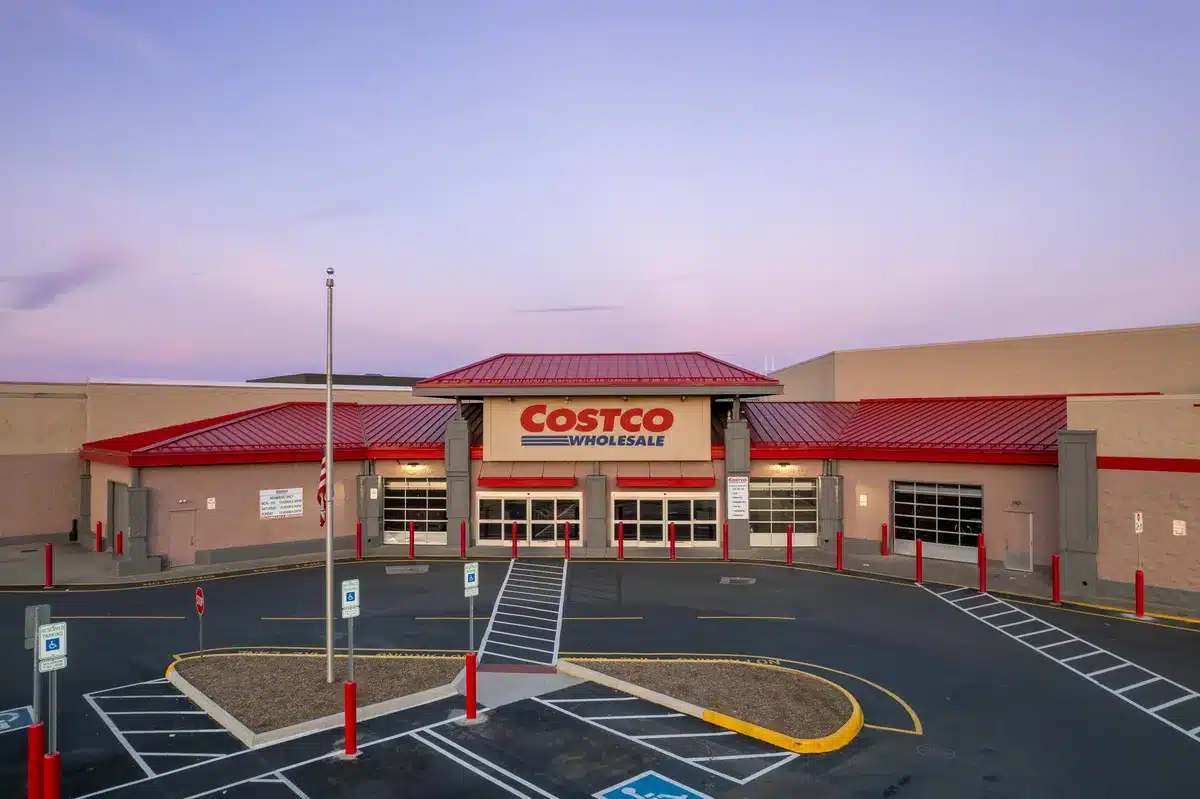
Organizations like Costco and Southwest Airlines have maintained engagement above 50% precisely because they invest heavily in management quality, competitor-leading pay, and transparent career progression. However, they represent exceptions rather than norms across sectors. Most organizations treat engagement as an HR problem rather than a business-critical issue requiring CEO-level attention.
Is Your Organization Vulnerable to Disengagement Collapse?
The warning signs appear months before engagement metrics collapse: increased sick days, declining meeting participation, slower email responses, reduced innovation proposals, and higher external job search activity among top performers. Organizations in transformation mode — those undergoing rapid technology adoption, leadership turnover, or restructuring — see engagement drop 8–12 percentage points annually if management doesn’t actively counter the trend.
Are your managers trained in engagement? Do employees clearly understand their role in organizational strategy? Can team members speak directly to their manager about workload concerns without fearing retaliation? These questions determine whether your organization trends toward the 31% US average or toward 12% European crisis territory within the next 24 months.
Sources
- Gallup — State of the Global Workplace 2026 Report (April 8, 2026)
- Forbes — “The $10 Trillion Management Engagement Crisis” (May 13, 2026)
- Pulsewise — Employee Disengagement Data 2026 Analysis (April 22, 2026)
- WorkTime — Productivity Statistics and Manager Burnout Trends (March 24, 2026)
- Revaluate180 — Root Causes of Employee Disengagement Research (March 2, 2026)