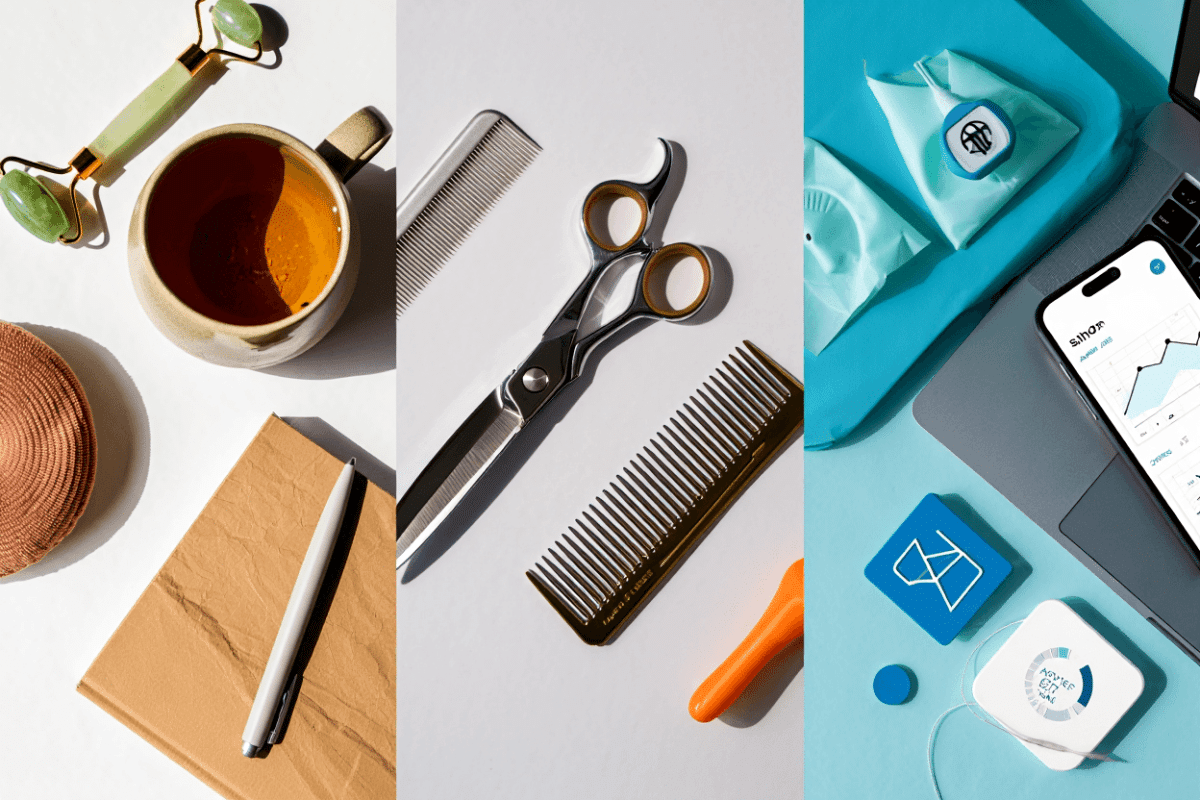
Three Small Business Ideas are driving the 2026 entrepreneurial surge in America: wellness coaching, pet services, and AI-powered operations. The coaching industry reached $7.31 billion globally in 2026 and continues expanding at 15% year-over-year, while the U.S. pet industry climbed to $158 billion in 2025. Simultaneously, small business operators are adopting five AI tools on average to streamline workflows and reduce operational costs. This convergence reflects a fundamental shift in how Americans start and scale businesses in an increasingly service-driven, technology-enabled economy.
🔥 Quick Facts
- Health coaching market valued at $20.22 billion in 2026, projected to reach $33.33 billion by 2033
- Pet grooming services market expected to grow to nearly $3 billion by 2030
- Average small business now uses 5 AI tools for workflow automation and operational efficiency
- 82% of small businesses operate as solo ventures, benefiting most from AI scaling solutions
Why Wellness Coaching Dominates the 2026 Small Business Landscape
Wellness coaching has become the fastest-growing service-based small business category, outpacing traditional consulting and personal training. The global coaching industry reached $7.31 billion in market value during 2026, with projections to hit $10.1 billion by 2032 — a compound annual growth rate of approximately 5.2%.
The market expansion stems from three converging factors. First, post-pandemic health awareness has normalized preventive wellness spending among American households. Second, digital-first coaching models eliminate geographic barriers, allowing coaches to serve clients across state lines through video consultations and app-based platforms. Third, corporate wellness programs increasingly contract independent coaches rather than hiring in-house staff, creating a consistent B2B revenue stream for entrepreneurs.
Unlike traditional fitness coaching, modern wellness coaches combine nutrition, stress management, sleep optimization, and lifestyle design. This holistic approach justifies premium pricing ($50–$500 per hour) and creates opportunities for specialization — think executive wellness coaching for C-suite professionals or chronic disease management coaching for healthcare networks. Emerging coaching business specializations continue expanding as employers recognize measurable ROI through reduced healthcare costs and improved employee retention.
The Pet Services Boom: Market Data and Entry Barriers
The pet care industry represents one of America’s most recession-resistant service sectors. In 2026, the total U.S. pet market exceeded $158 billion in annual spending, with services (grooming, training, daycare, boarding) comprising roughly $25–$30 billion of that figure. By 2033, the entire pet care market is projected to reach $361.20 billion globally, expanding at a 6.80% compound annual growth rate.
Pet grooming specifically is the standout segment within pet services. Current projections show the grooming market reaching nearly $3 billion by 2030, driven by two demographic trends: (1) increasing pet ownership among Gen Z and millennials, and (2) rising average household pet spending as pets are treated as family members rather than commodities. Pet owners now spend more on grooming services than they did five years ago, with mobile grooming commanding premium pricing due to convenience.
Key entry barriers are low relative to other service businesses. A mobile pet grooming startup requires $20,000–$50,000 in initial capital for a vehicle, grooming equipment, and business licensing. Unlike wellness coaching (which benefits from certifications), pet grooming generates revenue quickly through hands-on services — clients book weeks in advance, creating predictable cash flow. Successful operators report 60–70% profit margins after accounting for supplies, vehicle maintenance, and insurance.
AI-Powered Operations: How Small Businesses Compete at Scale
The third pillar of 2026 small business growth is artificial intelligence-driven operational automation. According to SBE Council’s March 2026 data, the median small business now deploys five AI tools across operations, and 73% of surveyed entrepreneurs plan to add more within the next 12 months. This trend directly addresses America’s labor shortage: solo entrepreneurs and 2–5 person teams use AI to accomplish work that would traditionally require hire three additional staff members.
| AI Function | Common Tools | Time Saved (Monthly) |
| Customer Service Automation | ChatGPT, Intercom, Zendesk AI | 40–60 hours |
| Email & Scheduling | Mailchimp, HubSpot, Calendly | 20–30 hours |
| Social Media Content | Buffer, Later, Copy.ai | 15–25 hours |
| Financial Records & Taxes | QuickBooks, Wave, FreshBooks | 10–20 hours |
| Inventory Management | TraceLink, Shopify AI, NetSuite | 25–40 hours |
The cost advantage is striking. AI tools typically cost $50–$500 per month per function, whereas hiring a part-time employee for the same tasks costs $2,000–$4,000 monthly. A wellness coach can now automate client intake forms, deliver pre-recorded nutrition content, send appointment reminders, and process payments—all through a single AI-powered coaching platform. A pet grooming business owner can use AI scheduling to predict client no-shows 48 hours in advance and adjust staffing, reducing wasted labor costs.
“Small businesses that adopt AI tooling in 2026 report a median 20-hour monthly time savings and a 15% reduction in operational overhead. The businesses that don’t adopt these tools are falling behind on competitive efficiency.”
— SBE Council, Small Business Technology Adoption Report, March 2026
Market Consolidation and Scale Opportunities in 2026
Each of these three business models is reaching a critical inflection point for consolidation. In wellness coaching, franchise-model coaching academies (such as BestSelf and Mindvalley) are actively recruiting certified coaches, offering them revenue-share partnerships that reduce solo-founder risk. In pet services, national grooming franchises (such as Dogtopia and Pet Supplies Plus) are expanding aggressively, signaling investor confidence in the sector’s durability.
The intersection of these trends creates a new business archetype: the “AI-leverage small business” operator who starts solo, achieves $150,000–$250,000 in annual revenue within 18–24 months by deploying automation smartly, and then hires contractors (not full-time staff) to scale further. Detailed case studies of successful wellness and pet service entrepreneurs in 2026 consistently show this two-phase growth pattern: Phase 1 (Months 1–12) uses AI and automation for 100% solo operation, and Phase 2 (Months 13–36) hires specialized contractors and marketing freelancers—not permanent employees.
What Does This Mean for New Entrepreneurs in 2026?
The data suggests that service-based businesses with low capital requirements and high margins — paired with intelligent AI automation — represent the optimal entry point for new entrepreneurs. Wellness coaching requires $3,000–$8,000 in initial investment (certification course, website, scheduling software). Pet grooming requires $20,000–$50,000 for a mobile setup. Both can achieve profitability within 3–6 months if the operator invests early in operational AI tools.
The competitive differentiator in 2026 is not just service quality—it’s operational efficiency. Businesses that automate client intake, follow-up, scheduling, and payments outcompete those relying on manual processes. For wellness coaches, AI-assisted health assessments and content recommendations increase perceived value. For pet groomers, AI-predicted scheduling reduces cancellations and vehicle idle time.
Will AI Automation Replace These Jobs, or Amplify Them?
The legitimate concern: Can AI replace wellness coaches and pet groomers? The answer is nuanced. AI cannot replace hands-on pet grooming — that requires physical labor. However, AI can handle pre-grooming diagnostics (coat condition analysis, health red-flag detection) and post-grooming upselling (recommending supplements, next appointments). For wellness coaching, AI can deliver generic content but cannot replicate human accountability and empathy. The future is hybrid: AI handles administrative and content delivery, while humans provide the irreplaceable element of personal connection and customized problem-solving.
Sources
- Inc. Magazine — “25 Best Small-Business Ideas for 2026”; reported $3B pet grooming market projection
- Coherent Market Insights — Health Coach Market Report; $20.22B market size in 2026
- Mordor Intelligence — Life Coaching Market Report; $3.97B in 2026, projection to $6.12B by 2031
- Grand View Research — Pet Care Market Analysis; $181.91B in 2025, $283.67B by 2033
- SBE Council — “The AI Tools Small Businesses Are Using”; median 5 AI tools adoption, March 2026 data
- American Pet Products Association — U.S. Pet Industry Expenditures; $158B in 2025
- Tailor Brands — Small Business Statistics 2026; 82% solo venture statistic