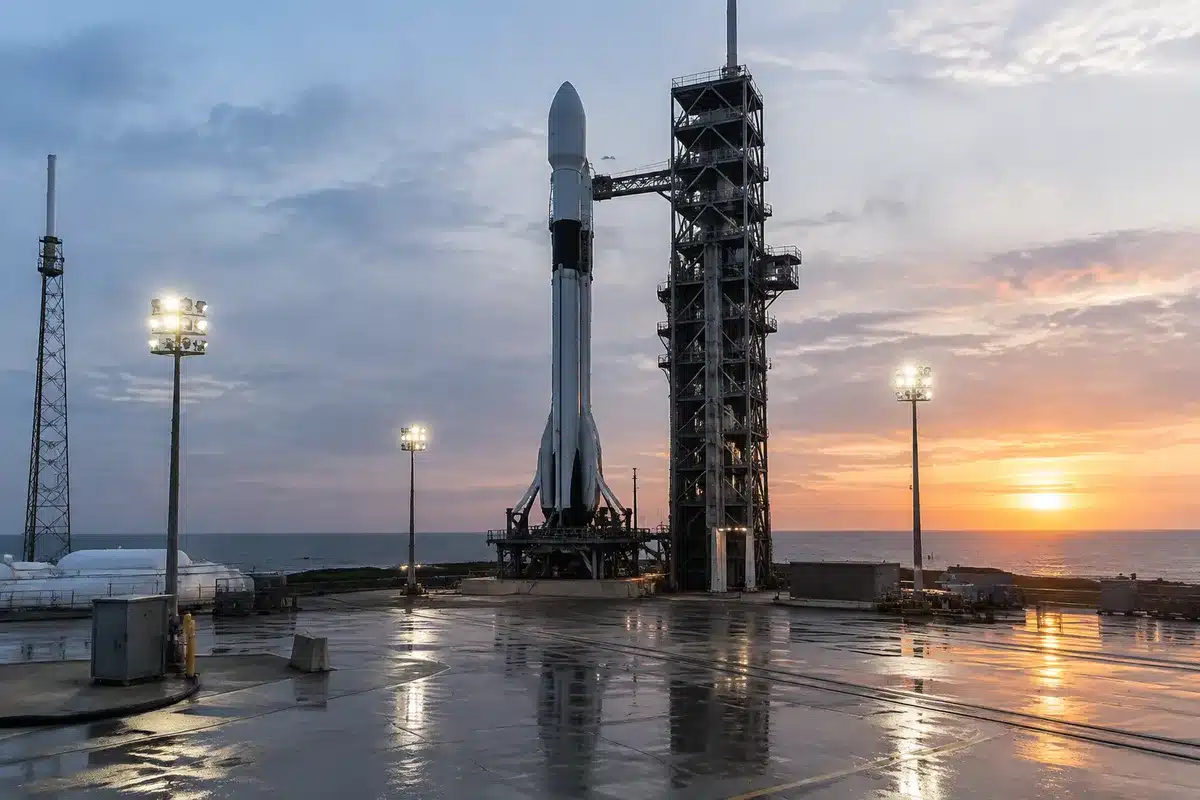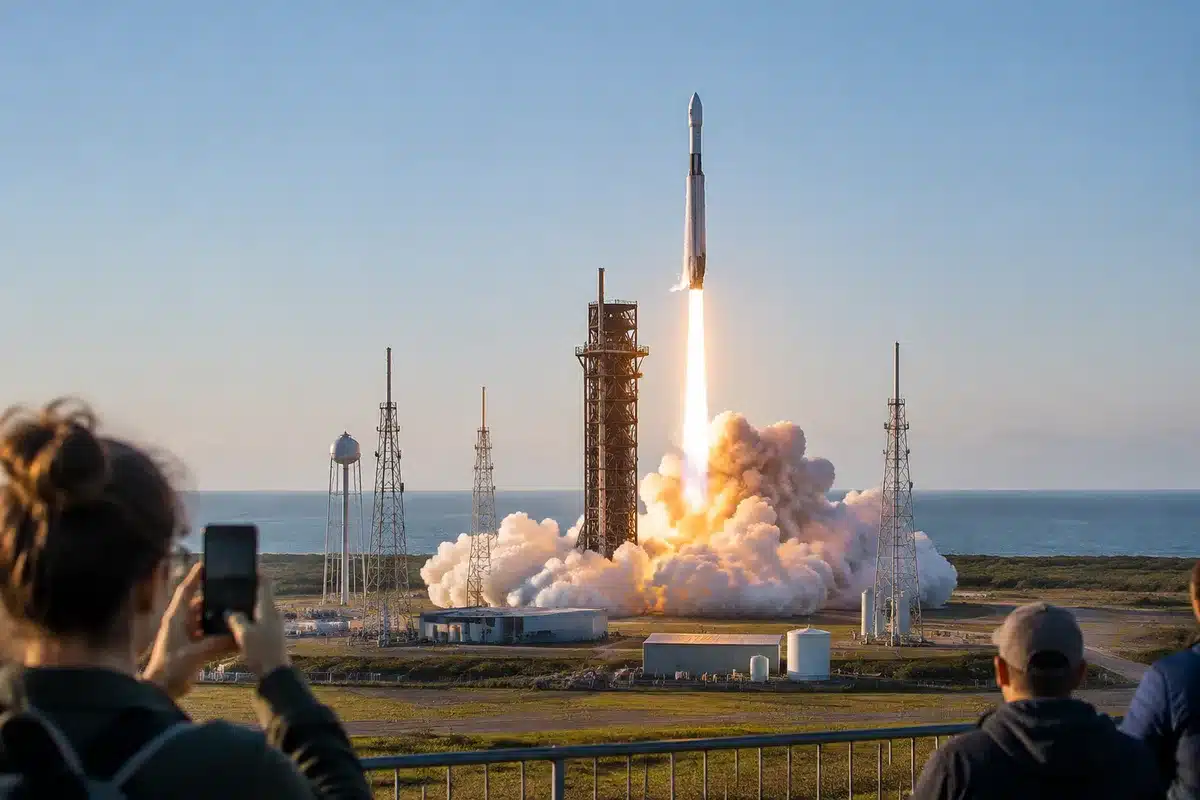
SpaceX is set to make history on June 12, 2026, debuting on Nasdaq under the ticker SPCX with a valuation approaching $1.75 trillion. The anticipated $75 billion fundraise would establish the largest initial public offering ever recorded, eclipsing the previous record held by Saudi Aramco’s $29 billion offering from 2019. This milestone reflects the rocket manufacturer’s dominance in commercial spaceflight, satellite internet deployment, and next-generation launch systems that promise to reshape the aerospace industry.
🔥 Quick Facts
- IPO Date: June 12, 2026 on Nasdaq (pricing June 11)
- Targeted Fundraise: $75 billion for approximately 43 million shares
- Post-IPO Valuation: Approximately $1.75 trillion, making it the largest offering by proceeds in history
- Starship Development Investment: $15 billion invested through 2025
- 2025 Projected Revenue: Around $15 billion; 2026 estimated at $22-24 billion
Setting a Historic Record for Capital Markets
SpaceX’s upcoming IPO represents a watershed moment for the commercial space sector. The $75 billion raise surpasses Saudi Aramco’s $29.4 billion offering from December 2019, holding the all-time record for largest IPO by proceeds. The company’s massive capital raise reflects both investor confidence in space technology and the sheer pace of industrialization within the industry. This scale dwarfs other mega-IPOs including Alibaba ($25 billion, 2014), SoftBank’s mobile unit ($23.5 billion, 2018), and Visa ($19.7 billion, 2008), underscoring the exceptional size of this transaction.
The June 11-12 timeline allows SpaceX to capitalize on strong market conditions following approval of its confidential IPO filing earlier in May. The company has demonstrated patience in timing—several news reports from February-April indicated potential June 2026 targets, but the company accelerated officially in May as financial markets stabilized and investor appetite for megacap technology offerings intensified.
Business Operations and Revenue Drivers Behind the Valuation
SpaceX’s $1.75 trillion valuation anchors on three core revenue engines: commercial launch services, Starlink satellite internet, and government contracts. Current projections estimate 2025 revenue at $15 billion, with accelerating growth toward $22-24 billion in 2026. Starlink represents the dominant growth vector, with the constellation expanding beyond 7,000 operational satellites and penetrating consumer, enterprise, and government markets globally.
The company’s launch cadence has accelerated dramatically. According to SpaceX‘s IPO prospectus filings reviewed by The Information, the firm conducted more Falcon launches in 2025 alone than during all prior years combined. This operational efficiency emerged from manufacturing innovations at SpaceX’s Starbase facility in Texas, where Raptor engines and Super Heavy boosters are now produced at industrial scale. The depreciation economics favor capital recycling—each booster reuse reduces marginal launch costs, enabling price competition that has disrupted traditional aerospace contractors.
Technical Milestones and Risk Management
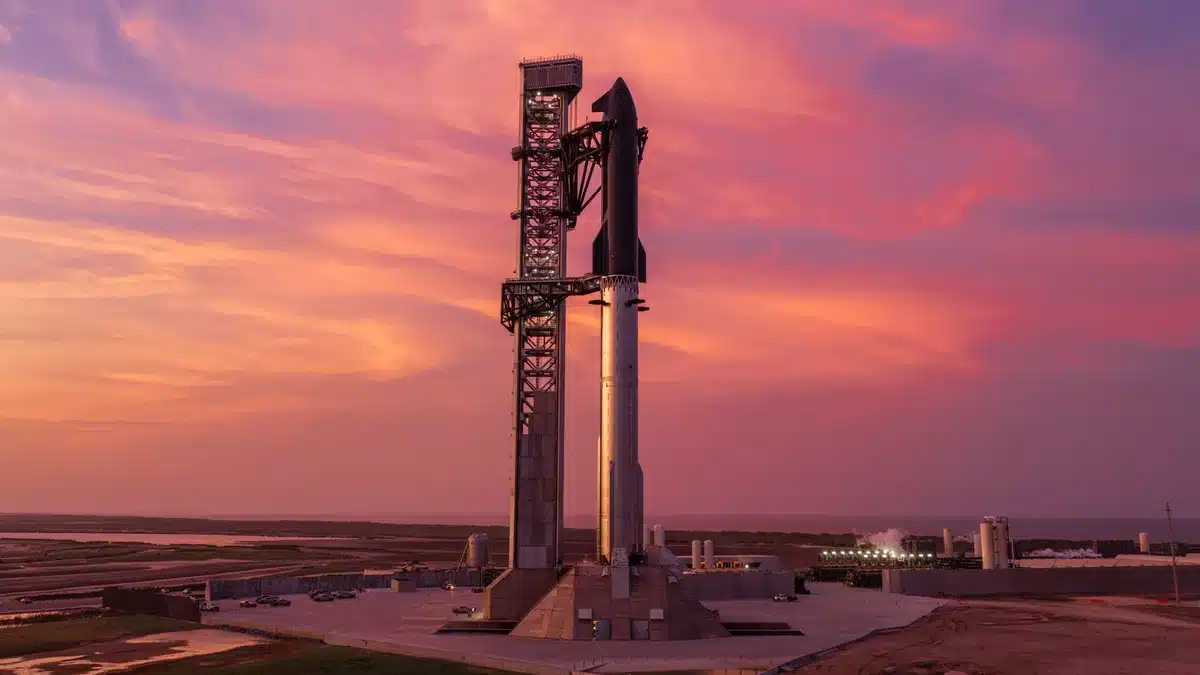
The timing of SpaceX’s IPO coincides strategically with major engineering proof-points. According to Reuters reporting from May 19, SpaceX‘s upgraded Starship V3 is ready for its debut test flight—marking the 12th uncrewed flight test of the next-generation spacecraft. Success with V3 would demonstrate the enhanced heat shield materials, avionics, and structural reinforcements that address earlier test flight challenges. Industry analysts have flagged this launch as a critical confidence signal ahead of the June IPO.
The development of Starship has consumed $15 billion in capital from 2020 through 2025, according to the company’s draft IPO prospectus. While this expenditure is substantial, SpaceX frames it within the context of government space program history—the Apollo program required approximately $280 billion in today’s dollars. The company’s lean development approach reflects vertical integration (in-house manufacturing of engines, structures, avionics) and rapid iteration methodology that reduces timelines versus traditional aerospace contractors.
| Metric | Value/Status |
| IPO Date (Pricing) | June 11, 2026 |
| IPO Date (Trading Debut) | June 12, 2026 |
| Ticker Symbol | SPCX (Nasdaq) |
| Gross Proceeds Target | $75 billion |
| Post-IPO Valuation | ~$1.75 trillion |
| Share Class Structure | Dual-class (preserves founder control) |
| 2025E Revenue | ~$15 billion |
| 2026E Revenue | $22-24 billion |
| Starship Development Cost (2020-2025) | $15 billion |
“With the V3 launch, SpaceX hopes to prove that the massive vehicle it’s betting everything on will perform as advertised.”
— Bloomberg reporting on Starship V3 significance to IPO investor confidence, May 2026
Market Implications and Competitive Positioning
SpaceX’s public debut reshapes the aerospace and satellite sectors. The $1.75 trillion valuation exceeds the combined market caps of traditional contractors including Boeing (approximately $180 billion), Lockheed Martin ($130 billion), and Northrop Grumman ($85 billion). This valuation premium reflects market expectations that SpaceX will dominate reusable launch economics for the next decade.
The IPO creates liquidity for early investors and employees holding equity. Previous secondary market transactions in late 2025 valued SpaceX at approximately $800-900 billion, implying significant value accretion during the post-filing period as investor demand built. Existing shareholders including Qatar Investment Authority, Saudi Arabia’s Public Investment Fund, and venture investors from earlier funding rounds will achieve realization of their multi-year investments.
Is SpaceX’s Valuation Justified by Fundamentals?
The $1.75 trillion valuation implies a 72x multiple on 2026 estimated revenue ($22-24 billion). By comparison, Tesla trades at approximately 8-12x revenues, and mature technology companies like Microsoft trade near 10-14x. SpaceX investors are pricing in multi-year revenue growth acceleration, margin expansion as launch costs decline, and optionality value from Starship‘s eventual operational deployment for human missions, lunar logistics, and Mars transportation. Analyst commentary spanning Bloomberg, The Information, and Motley Fool has flagged concerns about valuation risk if Starship development delays persist or if Starlink subscriber growth decelerates below current projections.
However, the IPO prospectus reveals that SpaceX already operates with positive unit economics on Falcon launches and expects Starlink to achieve EBITDA profitability within 18-24 months from IPO. These fundamentals provide some valuation anchor, even if consensus estimates prove conservative.
Sources
- Reuters — SpaceX accelerates IPO timeline, provides June 11 pricing date and valuation details
- Yahoo Finance — Corporate governance disclosures and comparative IPO analysis confirming $75 billion record
- The Information — Deep research on $15 billion Starship development costs from draft prospectus
- Bloomberg — Starship V3 launch significance and market impact assessment
- The Motley Fool — Investor education on valuation frameworks and risk analysis