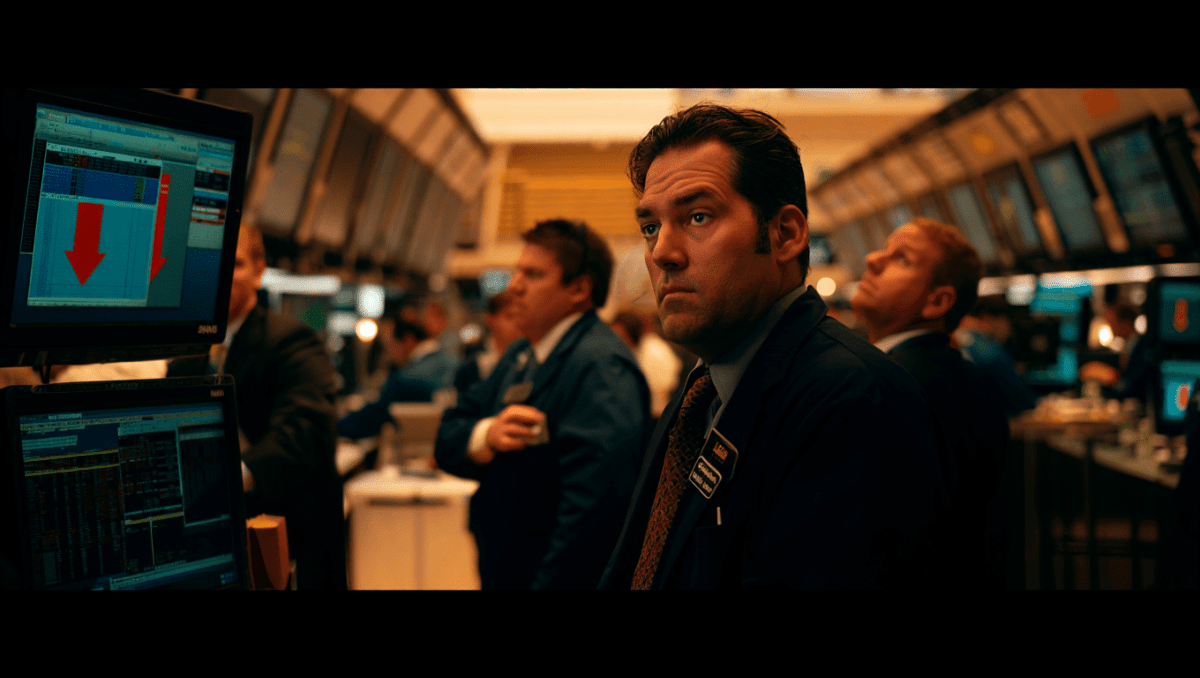
Stock market futures just retreated as traders absorbed the fallout from the Trump-Xi summit ending in Beijing, with geopolitical tensions over the Strait of Hormuz still dominating risk calculations. Wall Street now faces a critical choice: Is the summit’s outcome bullish enough to justify continued gains, or will Middle East shipping chaos drag equities lower into summer trading.
🔥 Quick Facts
- Summit Timing: Trump and Xi Jinping wrapped up May 14-15 bilateral talks claiming progress but acknowledging deep differences remain.
- Hormuz Disruption: Commercial tanker traffic through the Strait has plummeted over 90% since March 2026 due to Iran-US conflict.
- Market Response: Futures initially rallied on hopes for trade deals, but pulled back as traders weighed Xi’s offer to mediate against persistent shipping risks.
- 2026 Outlook: Goldman Sachs projects the S&P 500 to reach 7,600 by year-end, yet geopolitical risk premiums keep investors cautious.
The Summit’s Mixed Signals for Markets
Presidents Trump and Xi met for the second time in their administrations, with talks spanning trade tensions, technology restrictions, and the Iran crisis. Early market reaction spiked on reports of new commerce deals, particularly around semiconductor exports and Nvidia H200 chip approvals. However, sentiment cooled as traders questioned whether the agreements went far enough to justify a sustained rally.
According to multiple sources, the two leaders acknowledged their nations’ fundamental strategic competition. Xi explicitly warned Trump about Taiwan, while the US president emphasized the importance of stability. The venue itself, Beijing’s Great Hall of the People, signaled formality and measured expectations rather than breakthrough optimism.
What Traders Really Want to Know
The market’s real concern isn’t tariffs or tech. It’s the Strait of Hormuz shipping crisis that has crippled global energy commerce. Since early March 2026, when US and Israeli military operations against Iran intensified, maritime insurers have abandoned war-risk coverage. Tanker traffic has collapsed 90%, creating a de facto blockade that threatens oil supply chains and inflation expectations.
Xi’s offer to help broker peace was perhaps the summit’s most market-relevant moment. If China leverages its relationship with Tehran to reopen the strait, crude prices could fall dramatically, easing inflationary pressures. But traders remained skeptical: diplomatic breakthroughs in the Middle East have repeatedly disappointed investors over the past two months.
Market Metrics and Risk Scenarios
| Scenario | 2026 S&P Target | Oil Price Impact |
| Hormuz Reopens | 7,800+ | 5-8% decline |
| Continued Tensions | 7,100-7,200 | Sustained premium |
| Escalation Risk | 6,500-6,800 | 10-15% spike |
| Base Case (Goldman) | 7,600 | Normalized |
“The summit matters less for grand deals and more for reducing the geopolitical risk premium hanging over Chinese equities, the yuan, and global supply chains.”
— Investing.com Market Analysts, May 2026
Why Futures Retreated This Morning
Nasdaq futures and S&P 500 indices pulled back 0.5-0.8% during early Asian trading as profit-taking kicked in. Three factors emerged. First, Xi’s warnings on Taiwan rattled tech investors who feared renewed US-China tensions could reignite semiconductor restrictions. Second, the Hormuz shipping update offered no concrete timeline for reopening. Third, economic data from Q1 showing 2% GDP growth reminded traders that the broader US economy remains vulnerable.
Energy stocks initially rallied but reversed as crude oil futures pulled back on hopes for regional de-escalation. This created whipsaw dynamics that spooked smaller investors who lacked conviction about the summit’s actual outcomes.
What Should Investors Watch Next?
The real test comes in the coming 72 hours as embassy officials flesh out the summit’s details. Traders are monitoring four critical variables: Any official announcements on Hormuz mediation efforts, clues about US-China trade negotiations timeline, signals about Taiwan policy stability, and fresh inflation data that could justify the S&P 500’s $7,600 target. Until then, expect futures volatility to remain elevated as markets price in multiple outcomes.
The summit showed that diplomatic channels remain open, but that alone won’t calm jittery traders. What happens next in the Persian Gulf may matter more than what was said in Beijing.
Sources
- AP News – Live updates on Trump-Xi summit conclusions and market implications
- CNBC – Analysis of three major takeaways from the historic Beijing meeting
- Euronews – Coverage of China’s Hormuz mediation offer and Taiwan warnings