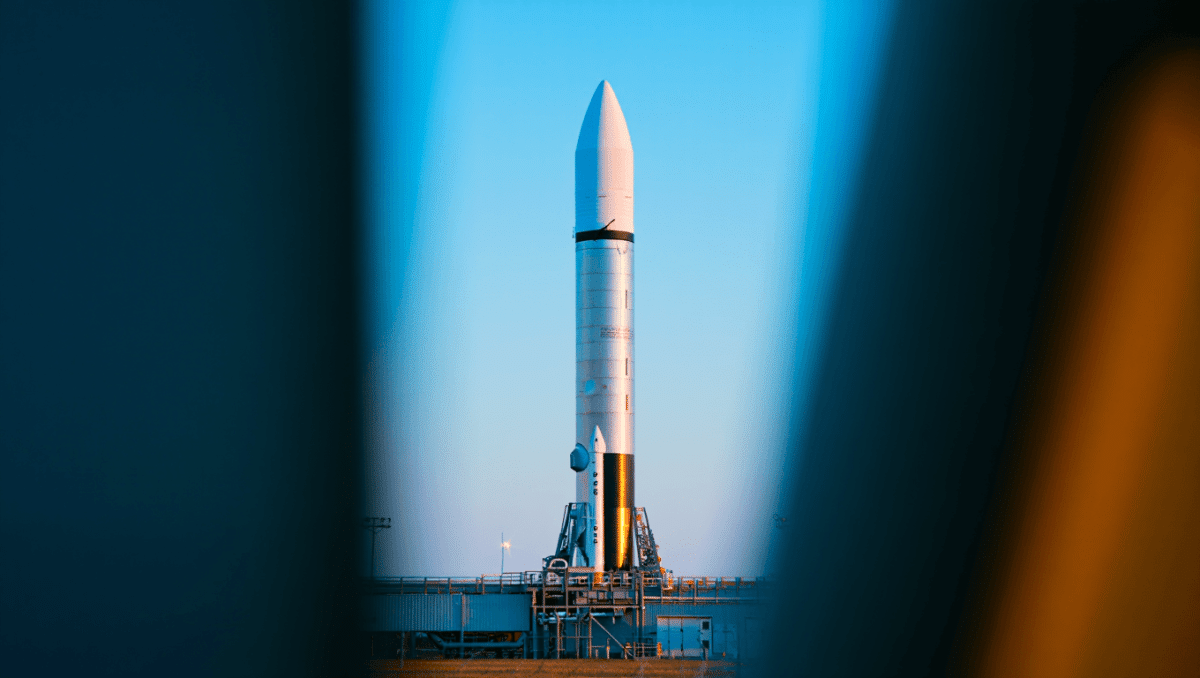
SpaceX Starship V3 makes its long-awaited debut tomorrow evening from South Texas. The upgraded rocket stands 407 feet tall, towering over anything ever launched before. Tomorrow’s test could revolutionize how humanity reaches the Moon and Mars.
🔥 Quick Facts
- Launch Window: May 19 at 6:30 PM ET from Starbase, Texas
- Flight Number: Twelfth integrated test flight of Starship program
- Orbital Goal: Demonstrate in-space refueling capabilities in low-Earth orbit
- Key Milestone: First flight of upgraded V3 configuration with enhanced engines
Tomorrow’s Historic Liftoff Marks New Era for SpaceX
Starship V3 targets an evening launch window opening at 6:30 PM ET on May 19 from SpaceX’s Starbase facility in South Texas. This maiden flight of the upgraded configuration represents a major step toward reusable deep-space travel. The 407-foot megarocket will attempt to reach orbit following successful ground preparations completed just days ago.
SpaceX completed a full-duration, full-thrust static fire test of the 33 Raptor engines powering the Super Heavy booster on May 7, 2026. That test cleared crucial hurdles for launch approval. A fueling test conducted on May 12 further validated systems readiness. All signs point to a green light for tomorrow’s historic flight.
Starship V3 Delivers Sweeping Upgrades and Power Boosts
SpaceX unveiled dozens of design changes across both the booster and upper stage. The Raptor engines received significant thrust enhancements, with sea-level variants increased from 230 metric tons to 250 metric tons of thrust. Vacuum engines jumped from 258 metric tons to 275 metric tons, delivering substantially more power into orbit.
Additional upgrades include a clean-sheet redesign of the propulsion system, enabling a new engine startup method. Propellant tank volumes have been expanded, while the grid fin design shifted from four fins to three, each 50% larger than previous versions. An integrated hot-staging system eliminates the old disposable interstage shield, simplifying operations.
Orbital Refueling Represents Gateway to Lunar and Martian Missions
| Specification | Details |
| Payload to Orbit | 100 to 150 metric tonnes |
| Booster Engine Count | 33 Raptor engines |
| Total Height | 407 feet with Super Heavy booster |
| Propellant Capacity | Expanded for V3 configuration |
In-space refueling represents the critical technology SpaceX must master for deep-space missions. The V3 flight targets a propellant transfer demonstration in low-Earth orbit. This capability allows tanker Starships to deliver fuel and oxidizer to orbital depots, enabling crewed missions to the Moon under NASA’s Artemis program.
Successful orbital refueling would grant Starship the range to transport 100 metric tons of cargo to lunar orbit and beyond. Without this capability, the rocket burns all propellant reaching orbit and cannot venture further. Tomorrow’s test will validate docking adapters and hardware critical to this revolutionary architecture.
“Starship V3 incorporates a clean-sheet redesign of its propulsion systems. These changes enable a new Raptor startup method, increase propellant tank volume, and deliver enhanced performance for orbital operations.”
— SpaceX, Official Company Statement
Seven-Month Development Sprint Delivers Operational Upgrades
Starship Flight 11 concluded in October 2025, after which SpaceX conducted extensive redesigns. The seven-month gap represented the longest development cycle to date for the program. Engineers implemented lessons learned from previous flights while engineering revolutionary features like the hot-staging system.
This compressed timeline demonstrates SpaceX’s rapid iteration approach, contrasting sharply with traditional aerospace development. The company completed fabrication, assembly, and extensive testing in a matter of months. Previous Starship flights typically occurred every 3 to 6 months, but this enhanced V3 configuration required additional refinement.
What Success Looks Like Tomorrow Evening and Beyond
Tomorrow’s test success requires multiple milestones beyond reaching orbit. The booster must return and be caught by chopstick arms at launch site, a capability demonstrated in previous flights. The upper stage must achieve orbit and conduct a propellant transfer demonstration with a tanker vehicle already in orbital position.
Achieving even one of these objectives would mark substantial progress. A fully successful mission answers critical questions about the technology required for lunar operations by late 2027 under the Artemis program. Each test flight provides invaluable data accelerating development toward crewed deep-space exploration with humans aboard.
Sources
- Teslarati – SpaceX Starship V3 upgrades and technical specifications
- Space.com – Starship V3 launch date and orbital refueling details
- USA Today – SpaceX Starship rocket readiness and mission overview