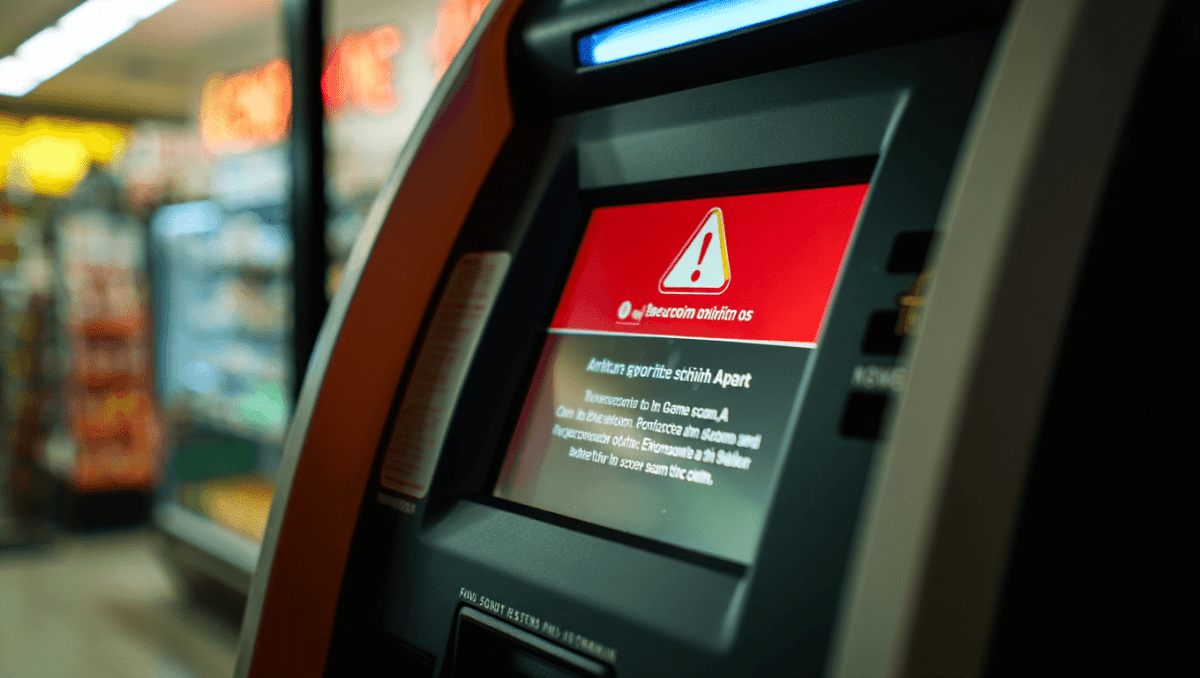
Bitcoin machines are facing unprecedented fraud protections across US cities as policymakers tighten oversight. Tennessee and Indiana have enacted outright bans, while Iowa just signed new licensing requirements. The crackdown targets scams exceeding $389 million in losses during 2025 alone.
🔥 Quick Facts
- Fraud losses: $389 million reported in 2025 from crypto ATM scams nationwide
- Senior victims: Adults 60 and older account for 86 percent of reported losses
- State bans: Tennessee, Indiana, and Minnesota implemented complete prohibitions
- New rules: Iowa, South Dakota, and cities like San Antonio adopted licensing and warning requirements
The Scam Crisis Behind the Regulatory Wave
Bitcoin machines have become a preferred target for scammers exploiting vulnerable populations. Jury duty, tech support, romance, and impostor scams funnel victims to crypto ATMs where they deposit cash irreversibly. The FBI’s Internet Crime Complaint Center documented staggering losses throughout 2024 and 2025. Unlike traditional bank transfers, Bitcoin transactions cannot be reversed once confirmed, making machines ideal for criminal exploitation.
Scammers exploit the speed and anonymity of crypto transactions. A victim deposits cash, receives a QR code, and sends it to the fraudster. Within seconds, the cryptocurrency disappears permanently. The machines charge 20 to 30 percent in fees, meaning victims lose even more when attempting refunds.
States Take Drastic Action Against Crypto Kiosks
Tennessee became the first state to enact an outright ban, effective July 1, 2026. Indiana followed with similar legislation, while Minnesota became the third state to prohibit machines entirely. South Dakota passed a compromise approach, mandating full refunds for fraud victims and capping daily transactions at $1,000 with monthly limits of $10,000. Vermont extended its moratorium through July 1, 2026, allowing lawmakers time for deliberation.
Iowa Governor Kim Reynolds signed SF2296 into law on May 6, 2026, requiring crypto ATM operators to obtain licenses through the state. Wisconsin, Virginia, and Wyoming enacted new regulatory frameworks addressing fraud prevention and consumer protection throughout 2026.
City-Level Initiatives and Protective Measures
Spokane, Washington became the largest US municipality to ban all crypto ATMs within city limits. San Antonio, Texas approved new ordinances requiring prominent fraud warnings and consumer education displayed on machines. Sterling Heights, Michigan implemented comprehensive regulations starting March 31, 2026. Major cities recognize that state-level action alone cannot contain the crisis.
| Jurisdiction | Action Type | Effective Date |
| Tennessee | Complete ban | July 1, 2026 |
| Indiana | Complete ban | Enacted 2026 |
| South Dakota | Refund mandate, transaction limits | April 2, 2026 |
| San Antonio | Warning requirements | May 2026 |
| Spokane, WA | City ban | January 2026 |
California’s Digital Financial Assets Law (effective January 1, 2025) restricts kiosk operators from charging excessive fees on single transactions. Licensing requirements, identity verification, and fraud warning systems now define the regulatory landscape across multiple jurisdictions.
“Cryptocurrency kiosks were used in scams that led to more than $389 million in reported losses in 2025. Adults 60 and older accounted for 86 percent of reported losses in cases where the victim’s age was known.”
— AARP, Crypto ATM Fraud Analysis
Federal Push for Industry-Wide Standards
Congress is advancing legislation to establish a federal baseline for crypto ATM oversight. Senate Bill 710 proposes comprehensive fraud prevention measures and federal FinCEN guidelines. The Clarity Act creates a regulatory framework including identity verification, transaction limits, and compliance requirements for all operators. Federal officials recognize that patchwork state regulations leave gaps requiring national standards.
FinCEN issued guidance in August 2025 classifying crypto ATM operators as potential money transmitters. This classification triggers anti-money laundering compliance requirements and Know Your Customer (KYC) protocols. Banks and regulators now coordinate oversight across state boundaries, fundamentally reshaping industry operations.
Will stricter regulations eliminate Bitcoin Machine scams completely?
Industry leaders argue that ID verification, daily transaction caps, and fraud warnings reduce risk significantly. Yet debate persists over whether regulation or outright prohibition better serves consumers. Consumer advocates point to 80 percent of world machines operating in the US, creating continued vulnerability despite new rules. Some argue bans like those in Tennessee and Indiana offer stronger protection than regulated operations.
The coming months will reveal whether May 2026 marks an inflection point. As California, Iowa, and emerging city ordinances mature, data on fraud reductions will guide future policy. Federal legislation could harmonize standards, either by strengthening consumer protections nationwide or allowing state flexibility in balancing innovation with consumer safety.
Sources
- AARP – Comprehensive analysis of crypto ATM fraud protections and state-by-state regulatory responses
- ABA Banking Journal – April 2026 coverage of state regulatory tightening and mandatory refund requirements
- San Antonio City Council – May 2026 ordinance implementing fraud warnings and new ATM operator requirements