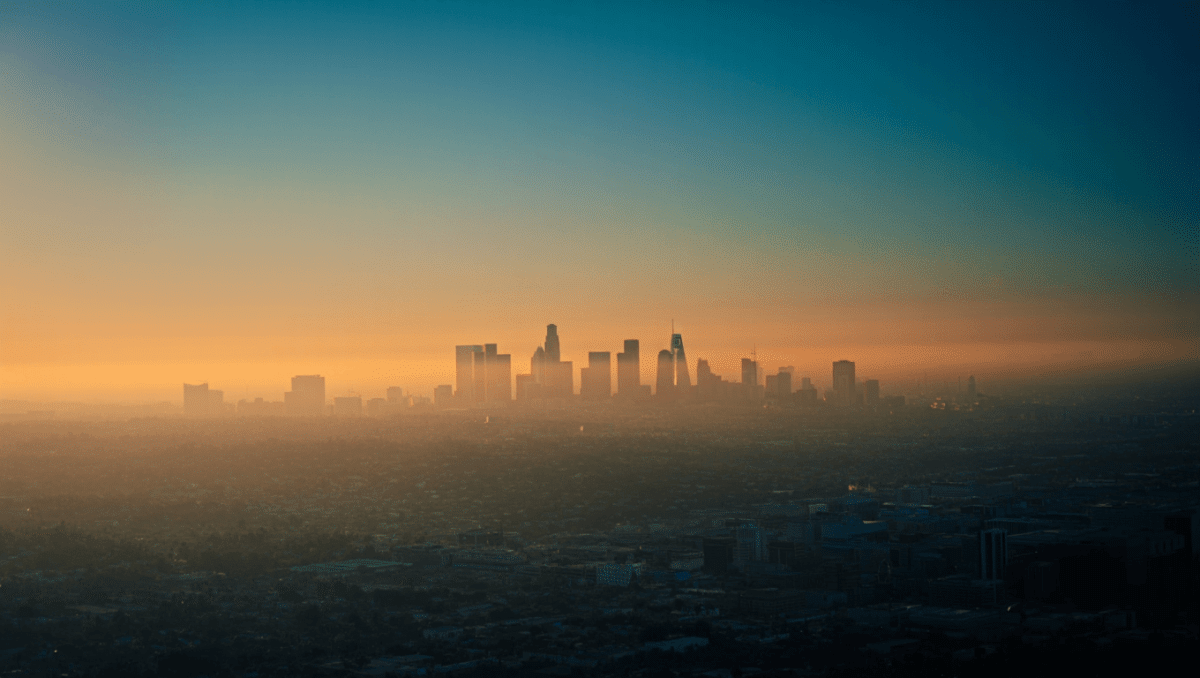
Los Angeles wakes to dangerous air today. Code Orange alert reached on May 13, triggering the region’s worst ozone threat. Sensitive groups face health risks unless they limit outdoor activity immediately.
🔥 Quick Facts
- AQI Range: Code Orange means AQI between 101 to 150, unhealthy for sensitive groups
- Duration: Alert expires May 13 at 7:00 PM PDT per South Coast AQMD
- LA Record: 26th consecutive year as nation’s most ozone-polluted metro area
- Ozone Season: May marks start of smog season; hot days trap pollution in basin
What Code Orange Means for Your Health Today
Code Orange air quality affects everyone, especially vulnerable populations. Children, elderly residents, and people with asthma or heart disease must reduce outdoor exertion. According to EPA guidelines, even healthy adults may experience coughing and chest tightness.
Ozone damages lung tissue by causing inflammation and irritation. Health officials stress avoiding prolonged outdoor exercise, sports activities, and heavy manual labor. The threat peaks during afternoon and evening hours when temperatures peak.
Why Los Angeles Struggles With Ozone Every May
Los Angeles sits in a geographic trap. Mountains on three sides and the Pacific Ocean form a basin that traps stagnant air. Combined with hot spring temperatures and high sunlight, nitrogen oxides from vehicle emissions form ground-level ozone. This chemistry makes LA uniquely vulnerable.
The 2026 State of the Air report confirms LA remains the worst among 379 U.S. metro areas for ozone pollution. This ranking has held steady since 2000, making it the nation’s persistent air quality crisis.
Health Impacts You Need to Know Right Now
| Health Effect | Who Is at Risk |
| Breathing Difficulty | Active children and adults outdoors |
| Asthma Attacks | People with existing lung disease |
| Heart Palpitations | Those with chronic heart conditions |
| Premature Death Risk | Elderly and chronically ill populations |
“Ozone can damage the tissues of the respiratory tract, causing inflammation and irritation, and result in symptoms such as coughing, chest tightness and shortness of breath.”
California Air Resources Board, State Environmental Agency
What Actions Residents Should Take Right Now
Sensitive groups should stay indoors with windows closed. Those who must go outside should wear N95 masks, though masks offer limited protection against ozone. Outdoor sports and exercise should be postponed until May 14 when forecasts improve.
Monitor real-time air quality via the South Coast AQMD app or AirNow.gov. Avoid vehicle idling and unnecessary driving. Air conditioning running on recirculation mode keeps indoor air safer than fresh outside air.
Is This Trend Getting Worse, or Can LA Recover?
The persistent top ranking raises urgent questions about progress. Despite decades of regulations and cleaner vehicles, LA still faces ozone challenges tied to climate change and population growth. However, historical data shows air quality has improved dramatically since the 1970s smog crisis.
Continued investment in electric vehicles, port modernization, and emission reduction can push LA down the rankings. Community action today sends signals to policymakers that residents demand cleaner air tomorrow.
Sources
- South Coast Air Quality Management District, official air quality forecasts and alerts
- EPA and California Air Resources Board, health effect guidelines and ozone data
- American Lung Association, 2026 State of the Air report and health research