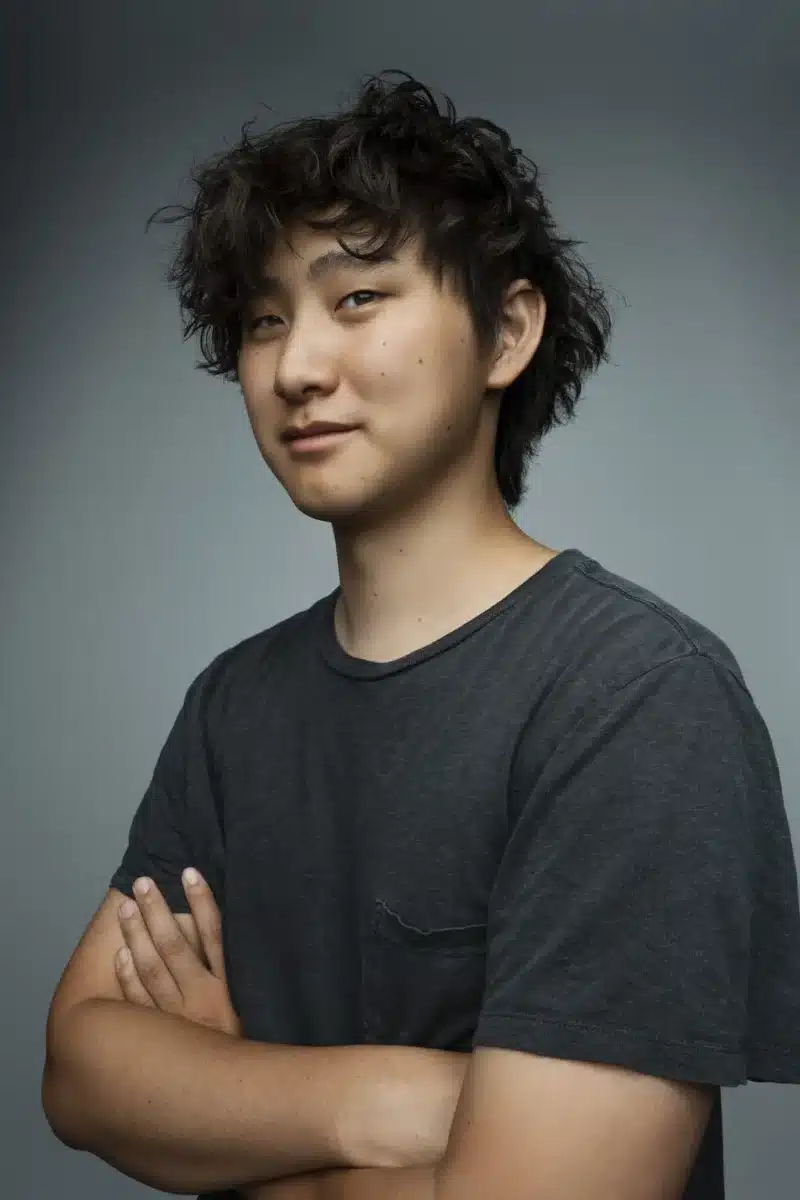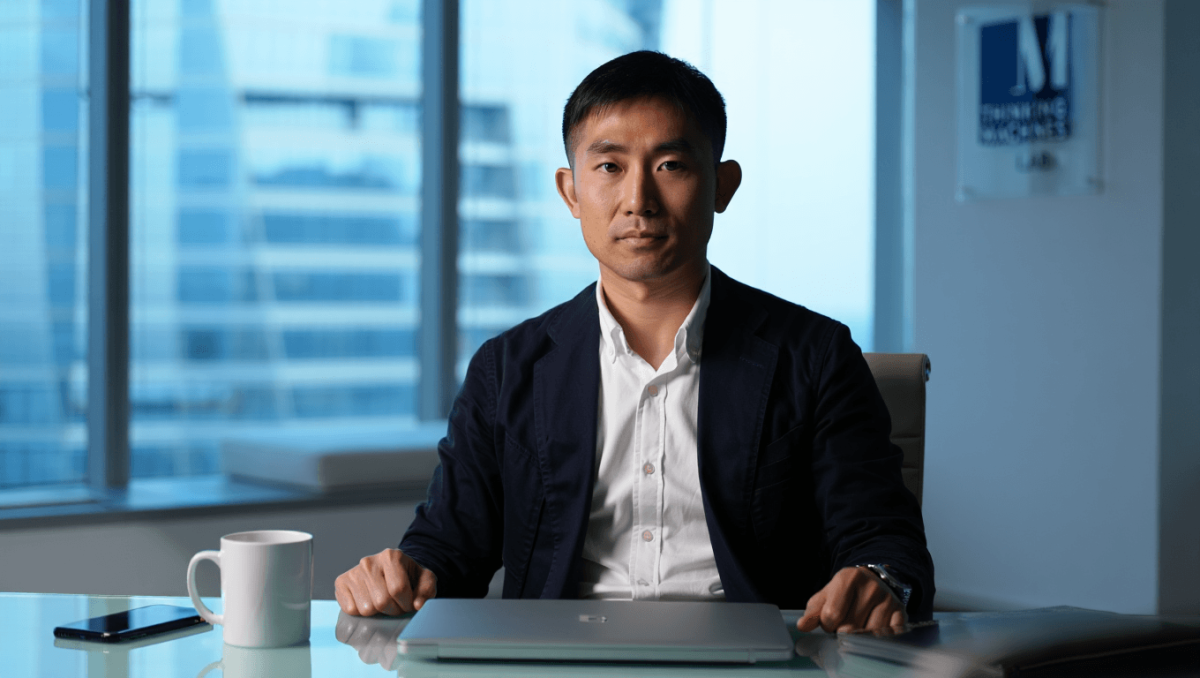
Weiyao Wang, an eight‑year Meta veteran who worked on multimodal perception and open‑world segmentation research, left the company last week to join startup Thinking Machines Lab. His move comes as TML secures major cloud infrastructure and continues a high‑profile scramble for AI research talent.
Wang’s hire is another sign that the balance of power in AI staffing is shifting quickly, with established tech firms and deep‑pocketed startups trading researchers as they race to build the next wave of models.
Big infrastructure bet amplifies the talent tug‑of‑war
At Google Cloud Next this week, Thinking Machines announced a multibillion‑dollar agreement with Google that gives the startup early access to Nvidia’s latest GB300 accelerators. The deal, following an earlier partnership with Nvidia, places TML on comparable footing with companies such as Anthropic and Meta in terms of raw compute access.
The timing matters: access to top‑tier GPUs can accelerate model training and product rollouts, and it signals that cloud providers view TML as a serious contender. That in turn makes TML a more attractive option for researchers weighing offers from large incumbents.
Two directions of talent movement
Hiring patterns over the past year show movement in both directions. Business Insider reported that Meta has recruited several founding TML employees — a figure that the outlet put at seven. At the same time, LinkedIn records and company announcements show TML drawing an unusually large share of its recent hires from Meta’s research ranks.
| Name | Previous employer | Role at TML / note |
|---|---|---|
| Soumith Chintala | Meta (11 years) | CTO; co‑founder of PyTorch |
| Piotr Dollár | Meta (11 years) | Technical staff; co‑author of Segment Anything |
| Andrea Madotto | Meta FAIR | Research scientist; multimodal language models |
| James Sun | Meta | Software engineer; LLM pre/post‑training |
| Weiyao Wang | Meta (8 years) | Multimodal perception research |
| Kenneth Li | Meta (10 months) | Harvard PhD; recent hire |
| Neal Wu | Cognition / competitive programming | Early hire; IMO medalist |
| Jeffrey Tao | Waymo, Windsurf, OpenAI | Research/engineering hire |
| Muhammad Maaz | Anthropic (research fellow) | Research hire |
| Erik Wijmans | Apple | Engineering/research hire |
| Liliang Ren | Microsoft (AI Superintelligence) | Worked on pre‑training OpenAI models for code |
TML’s headcount is now roughly 140 people, and the company is publicly valued at about $12 billion — a striking figure given that it has shipped only a single product to date. That valuation and the promise of equity upside are part of the calculus for researchers choosing between large, well‑funded employers and ambitious startups.
Why this matters now
Competition for senior AI talent affects more than individual careers. It influences which organizations set research agendas, who controls key open‑source tools and frameworks, and how quickly advanced models move from lab to product.
Several practical consequences bear watching:
- Compute access — Startups with early access to next‑generation GPUs can close the gap with incumbents on training time and scale.
- Open research influence — Researchers moving between institutions carry techniques, priorities, and often code that shape the broader ecosystem.
- Valuation vs. compensation — Big tech salaries remain attractive, but startup equity and leadership roles can offset short‑term cash differences.
A fluid picture, not a settled one
Although the roster of departures and hires is notable, the landscape remains unsettled. Some moves are recent; others span many months. Companies continue to both recruit from and lose talent to rivals as they refine product road maps and secure infrastructure deals.
A TML spokesperson declined to comment when asked about the company’s recent hires and partnerships.