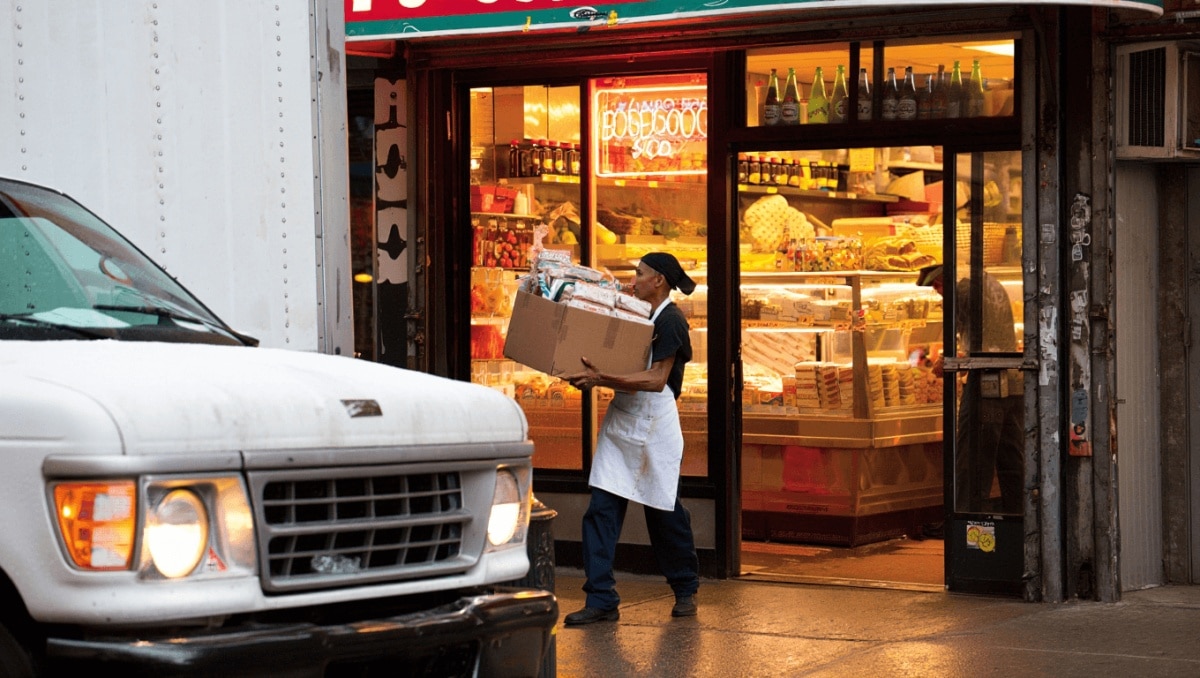
On any given morning in New York City, a handful of refrigerated trucks fan out from a single regional plant, restocking the counters and coolers of corner delis that define neighborhood life. That concentrated manufacturing and delivery system quietly shapes what New Yorkers eat—and why a delay or price rise at the factory can ripple through the city’s breakfasts, lunches and late-night sandwiches.
Inside the plant
The facility acts as a central hub for staples many city residents take for granted: sliced meats, sliced cheese, prepared salads, and packaged deli items. Production lines run on tight schedules to meet the daily rhythms of deli owners who need fresh product early in the morning and steady restocks through the week.
Food-safety protocols, refrigerated storage and rapid packaging are core to operations, but logistics matter just as much. The plant coordinates with a local fleet and independent couriers to deliver to hundreds of small retailers across boroughs where space for large deliveries is limited.
- Product range: sliced and whole meats, cheeses, prepped salads, sauces and packaged sides
- Services: custom slicing, private-label packaging, scheduled drop-offs
- Distribution: early-morning routes, small-batch loads for constrained storefronts, emergency redeliveries
Why this matters today
Consolidation of manufacturing has made the city’s deli supply more efficient—but also more fragile. With rising input costs, intermittent labor shortages and port or transport slowdowns still echoing from the pandemic era, any disruption at the plant can translate into empty shelves or higher prices at the corner store.
For customers, that can mean fewer choices and steeper bills for familiar items. For deli owners—often operating on thin margins—delayed deliveries can force hard decisions about menu items, waste, and customer service.
How delis respond
Owners use a variety of tactics to manage risk. Some keep larger on-site inventories when space allows; others diversify by buying from multiple suppliers or purchasing directly from wholesalers. Cooperative buying arrangements among nearby stores can also smooth short-term shocks.
Smaller delis often rely on long-term relationships with delivery drivers and plant managers. Those informal ties can secure priority in tight moments—hinting at how much of the system depends on human relationships as well as cold rooms and schedules.
Broader consequences and signs to watch
There are wider implications beyond convenience and cost. Concentrated supply chains raise questions about resilience: a localized outage, extreme weather event, or regulatory pause could affect large numbers of small retailers at once.
Indicators consumers and industry watchers should monitor include delivery frequency changes, sudden price hikes on common items, and announcements about staffing or temporary closures at major local suppliers.
In the long run, the balance between efficiency and resilience will shape how easily New Yorkers can find their go-to sandwiches and sides. For now, the fate of many neighborhood delis still hinges on the steady hum of a single factory, its fleet of trucks, and the people who keep orders moving from production line to counter.