
Prop 39 California is trailing in early returns, with initial statewide tallies showing the voter ID measure behind as ballots continue to be counted.
Early results released by election authorities and reported by major outlets show the measure is failing in early returns: the San Francisco Chronicle reported Prop 39 was trailing 40.8% to 59.2% in early counts, and KQED said about 59% of voters opposed and 41% were in favor.
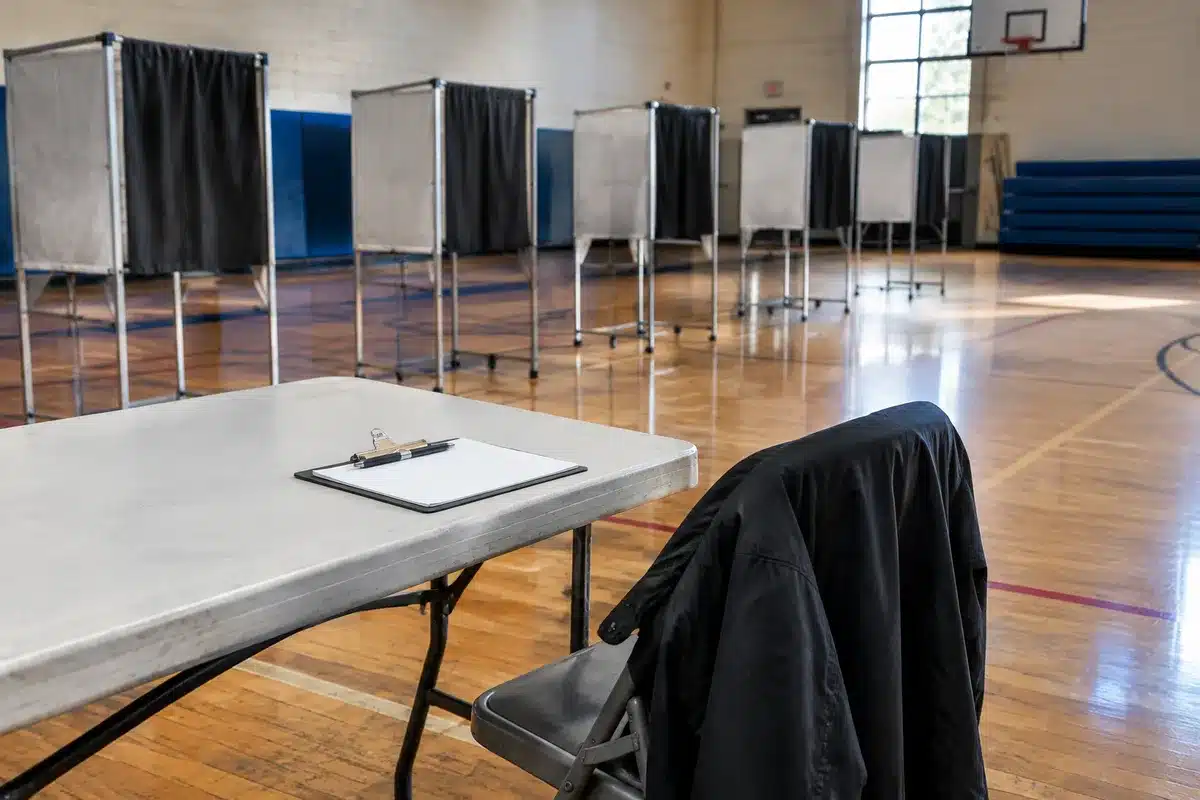
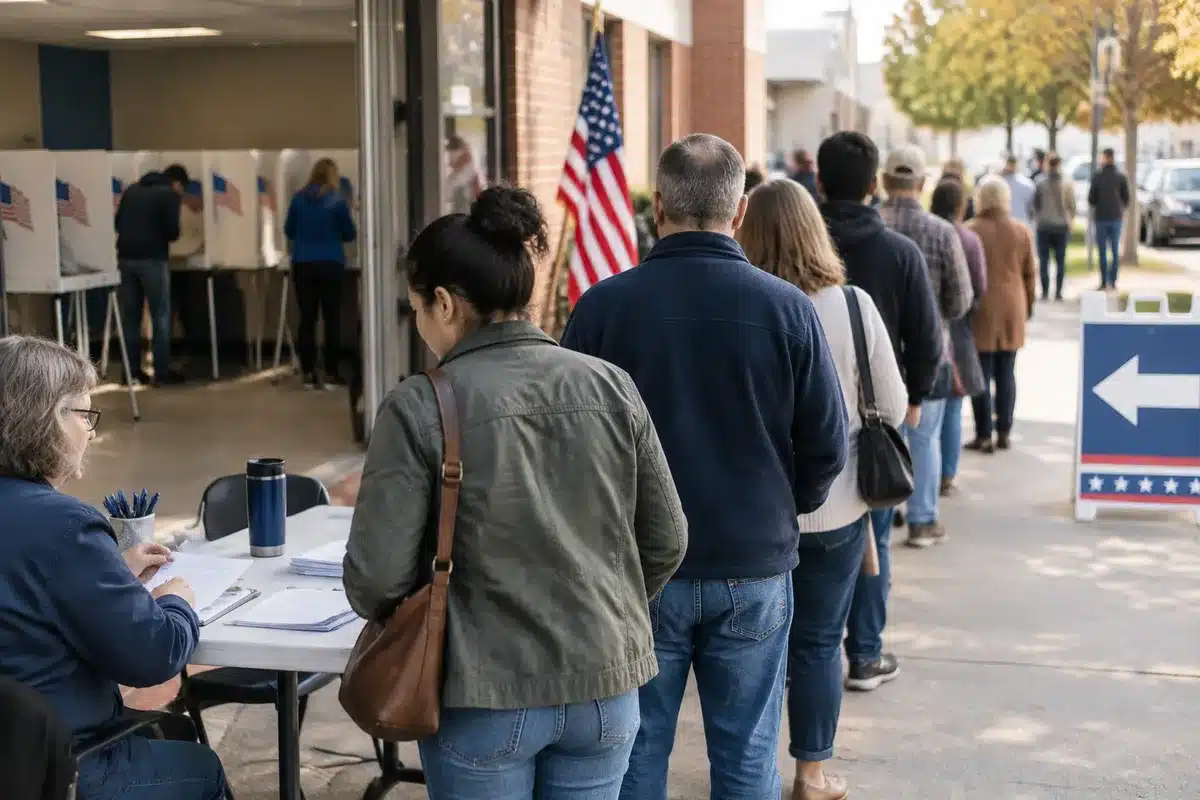
Prop 39 California would amend the state constitution to require voters to present a government-issued ID when voting in person and, for mail ballots, to write a four-digit PIN tied to a Social Security or driver’s license number on the envelope, a change opponents say would add new barriers and verification steps.
Supporters argue the measure would increase public confidence in elections; opponents and voting-rights groups have said there is no evidence of widespread fraud in California and that the PIN and ID rules could suppress turnout among low-income voters, young people and others less likely to have required documents, KQED reported.
San Francisco Chronicle coverage noted that federal actions this fall — including Department of Justice legal efforts and a recent Supreme Court decision declining the DOJ’s request about a set of ballots — had intensified attention on the initiative and were cited by backers in their argument for the change.
Campaign financing has been sizable on both sides. KQED reported the opposition had raised roughly $34.5 million from groups including the California Democratic Party and labor donors, while supporters had reported about $36.6 million, including contributions from out-of-state donors.
How Prop 39 would change voting
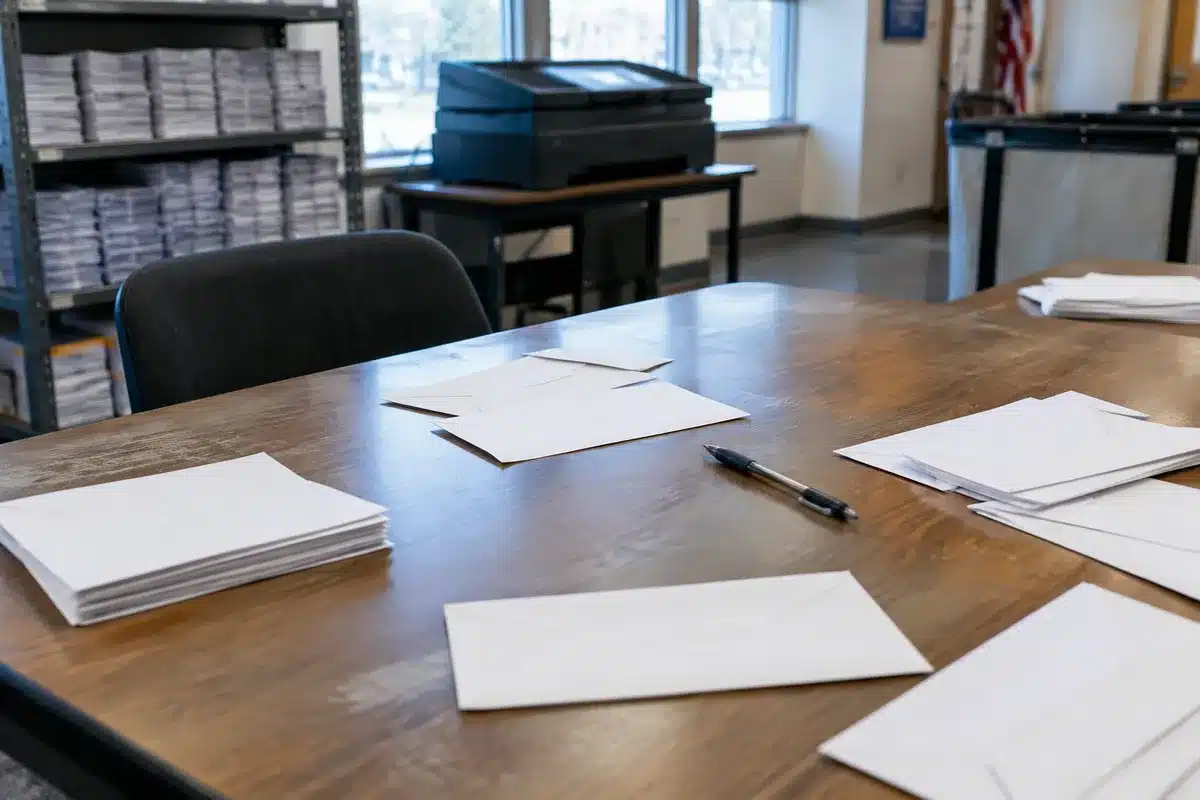
The proposition would require poll workers to check government-issued identification at the polls, and would obligate voters who use mail ballots to provide a handwritten four-digit number tied to an ID on the ballot envelope for county verification, the Chronicle explained.
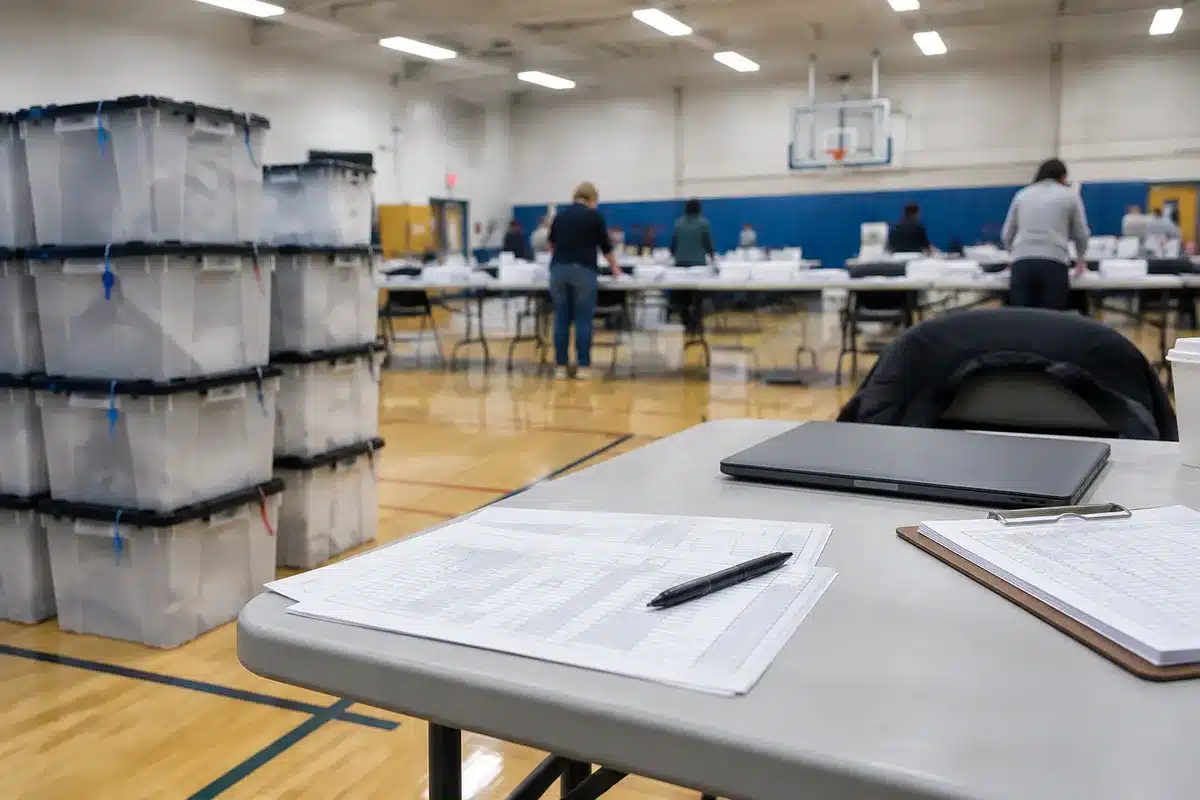
Election officials and groups opposing the measure have warned the new steps could slow counting because clerks would need to verify handwritten numbers against records rather than relying solely on signature verification, which is the current standard in many counties, according to the Chronicle.
With votes still being tallied, media outlets cautioned that early returns are not final. The story will evolve as more county tallies are posted by the Secretary of State and local election offices.
Related coverage and recent commentary from state leaders are available for readers who want more background: Xavier Becerra urges a ‘no’ vote on Prop. 39, and competing ballot measures are tracked alongside Prop 39 in analyses such as Prop 40 in California. The Supreme Court action tied to this election litigation is reviewed in Supreme Court denies Trump bid to set aside about 20,000 California mail ballots.
Sources
- San Francisco Chronicle — early return percentages, text of what Prop 39 would require, and context about DOJ and Supreme Court activity
- KQED — early-return breakdown, summary of provisions, and campaign finance figures