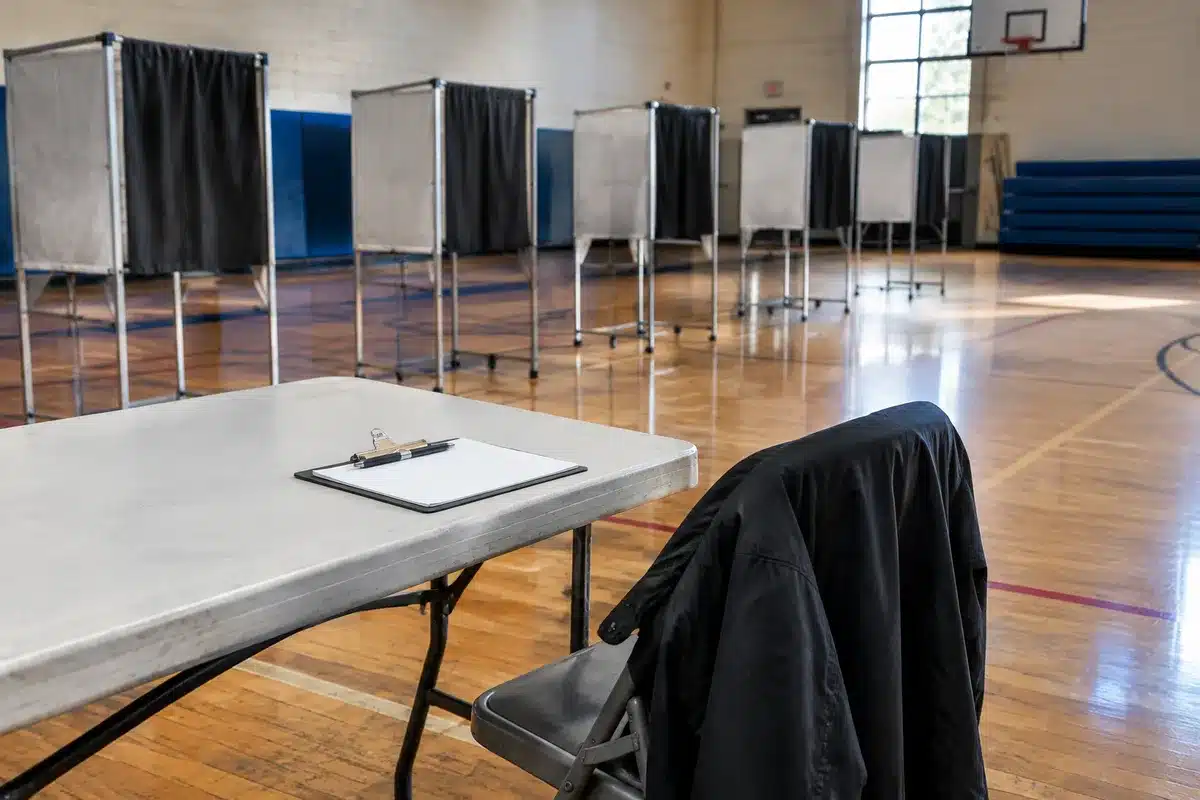
The Justice Department plans to deploy about 1,000 election monitors to polling places across all 50 states for the Nov. 3 midterms 2026, the department has announced and state officials have been notified.
DOJ officials told Reuters the deployment would be the largest observation effort in the department’s history and that monitors will target jurisdictions with a history of voter-access problems and competitive races.

The department says the observers are part of a long‑running civil‑rights monitoring program that will “merely observe” and report possible violations of federal law, according to KCRA and DOJ statements reported by Reuters.
Rights groups and some state officials have expressed concern about the program’s expansion under the current administration, pointing to plans to include criminal prosecutors among monitors and to increased emphasis on alleged voting by noncitizens.

State responses have varied: Reuters reported Minnesota and California shadowed DOJ staff during primaries, and several states issued guidance limiting observers’ authority inside polling places. KCRA published a list of counties that had already received DOJ notices.
DOJ spokesperson Kiersten Pels said monitors will be trained not to interfere, and that reports from observers will be reviewed after Election Day. The department has not released a full list of deployment locations before Election Day.
Voting rights groups including the NAACP have filed a lawsuit seeking to bar prosecutors and certain federal law‑enforcement personnel from serving as monitors, arguing such deployments could chill turnout in Black and Brown communities.
How the monitoring program operates depends on state law: in some states local officials can keep federal monitors outside polling places, while in others monitors may observe and speak to voters after they leave, Reuters and KCRA reported.
For voters planning ahead, see local hours and early‑voting options and confirm polling locations before Election Day; local resources and the Election Protection Hotline can help with on‑the‑ground questions.
Sources
- Reuters — DOJ plans to deploy roughly 1,000 monitors in all 50 states, prioritization of jurisdictions, state reactions and NAACP lawsuit.
- KCRA — Explanation of what monitors can do, KCRA list of counties notified, and DOJ statements about training and scope.