Fresh national surveys this week show Americans increasingly worried about the risk of a wider conflict involving Iran — a shift that is already altering political calculations and creating headaches for candidates across the spectrum. The polling suggests that concerns over escalation are reshaping voter priorities and narrowing room for political maneuvering ahead of upcoming contests.
Several independent polls released in the last few days find a clear rise in public anxiety about military escalation, with many respondents saying they prefer a strategy that prioritizes diplomacy and risk reduction over immediate retaliatory action. That sentiment is strongest among undecided and swing voters, who now rank conflict avoidance near the top of their concerns.
The data also exposes a familiar partisan split. Republican-leaning respondents remain more willing to back a robust response to perceived threats, while Democratic-leaning voters favor restrained military options and stronger diplomatic efforts. But the gap is narrowing: among independents and suburban voters, calls for caution and clearer civilian oversight have grown markedly.
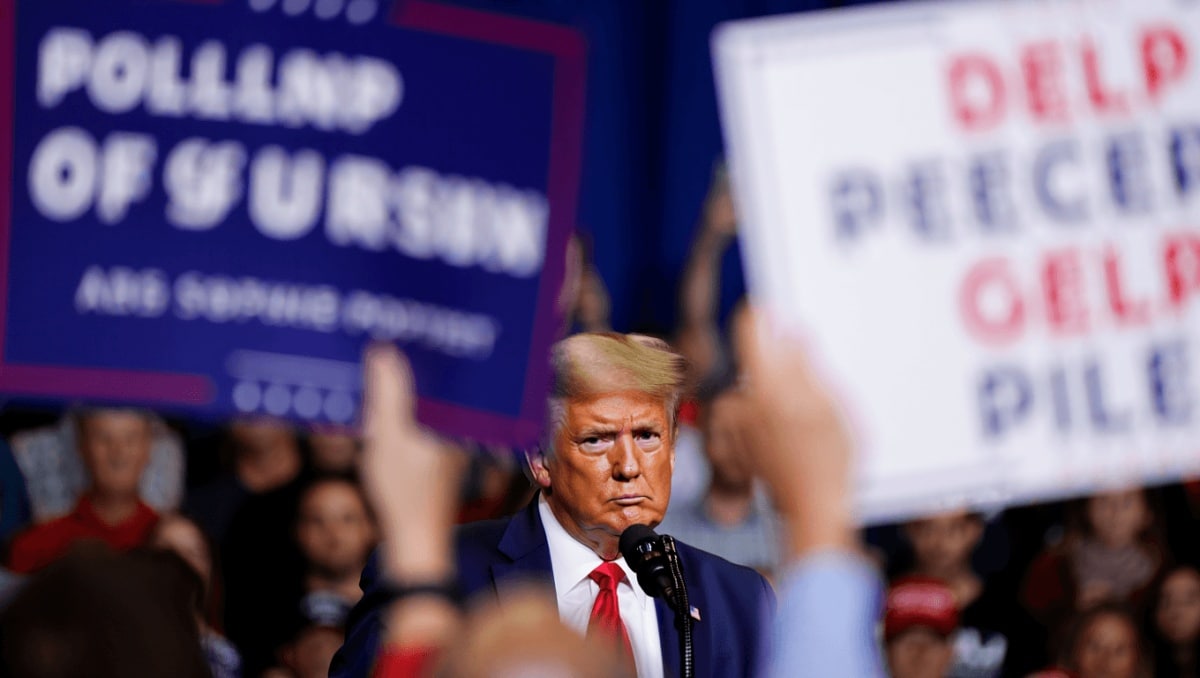
Donald Trump appears to be navigating this landscape cautiously. Pollsters and strategists say his core supporters still reward a tough posture on security, yet the polling shows diminishing appetite among persuadable voters for moves that might increase the chance of a broader war. That tension is forcing political campaigns to balance messages about strength with assurances aimed at calming public fears.
Practical consequences are already unfolding in Washington. Lawmakers from both parties have been pressed to clarify their positions on authorizations, military aid and oversight — debates that could produce near-term votes with electoral consequences. For governors and congressional hopefuls, the risk of being labeled either reckless or weak on national security is sharper than usual.
What this means for voters and candidates in the short term:
- De‑escalation matters: A growing number of voters say they favor policies that reduce the risk of broader conflict rather than immediate force.
- Transparency and oversight: Many respondents want clearer explanations of objectives, timelines and legal authorities before supporting military action.
- Electoral sensitivity: Swing districts and undecided voters are moving toward candidates who emphasize restraint and diplomatic avenues.
- Messaging trade-offs: Political figures pushing a hard-line stance risk alienating moderate voters even as they energize base supporters.
Outside analysts note that foreign policy shocks often have short-term effects on public opinion, but when fears persist they can change campaign dynamics for months. If anxiety about escalation remains high, candidates will likely have to make sustained arguments about risk management and clear end-states to reassure undecided voters.
For readers tracking the fallout, several developments bear watching in the coming days: congressional briefings on military options, public statements from key White House and campaign officials, and regional diplomatic moves that could calm or inflame tensions. Each could shift public sentiment again — and with it, the political landscape.
In the near term, the central question for voters and politicians is simple: can leaders credibly promise security without widening the conflict? Polls suggest that how that answer is framed will matter as much as the policy itself.