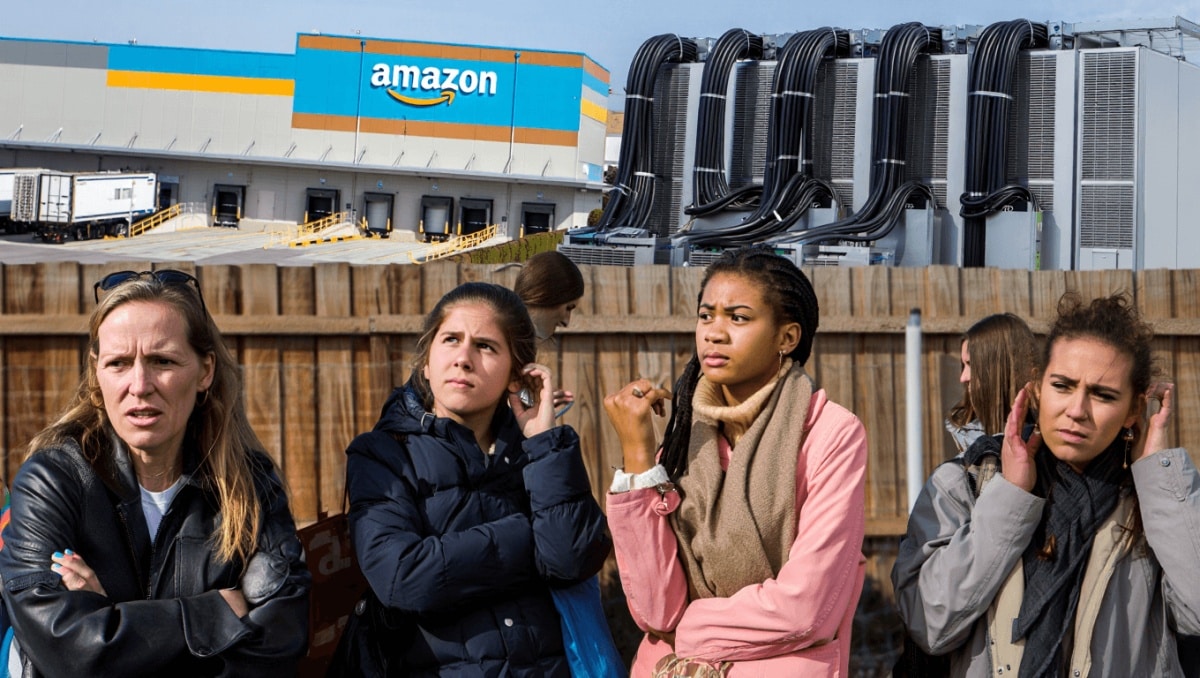
New public polling shows growing resistance to data center construction across the United States, with concerns about local power costs and limited job creation rising to the fore. The shift matters now because the surge in AI-related computing and corporate cloud expansion is routing major infrastructure decisions into town halls and planning boards nationwide.
Two recent surveys capture the changing mood. A Harvard–MIT poll conducted in November of 1,000 adults found a narrow plurality willing to accept a data center in their area, but notable unease when the question was broadened to other industrial developments. Meanwhile, Quinnipiac’s study last month of nearly 1,400 Americans recorded broad opposition to the idea of an AI data center being built in local communities.
What the numbers say
Key takeaways from the polls:
- Harvard–MIT (Nov, ~1,000 respondents): Roughly four in ten respondents were comfortable with a data center being sited nearby, while about three in ten opposed similar industrial projects in their neighborhoods.
- Quinnipiac (published this week, ~1,397 adults): A clear majority — about two-thirds — opposed building an AI-specific data center in their community; support was under one-quarter.
- Across the samples, a frequent immediate worry was the potential for higher local energy costs and strain on the grid.
Polling details differ, but the pattern is consistent: local residents are weighing economic promises against visible costs. For many, the prospect of a new facility no longer registers solely as distant corporate investment — it is a neighborhood issue with tangible effects.
Why locals are pushing back
Several concrete factors drive opposition. First, power use: data centers are energy‑intensive, and a large share of respondents expressed anxiety that a nearby facility would translate into higher utility bills or require expensive upgrades to local electrical infrastructure.
Second, the employment picture often falls short of expectations. While construction can deliver temporary jobs and a short-term economic boost, operating facilities typically need relatively few permanent staff. That reality weakens the argument that data centers are engines of long-term local employment.
And third, the label “AI” changes perceptions. Facilities tied to artificial intelligence evoke additional concerns about surveillance, corporate concentration, and rapid technological change — issues that can harden opposition even among otherwise amenable voters.
Local consequences and policy options
Already, communities are channeling these concerns into political and regulatory action:
- Permit delays and intensive community hearings that extend project timelines.
- Calls for community benefits agreements to secure local gains such as workforce training or tax revenue commitments.
- Debates over whether utilities should require new generation or storage capacity before approving hookups.
Those outcomes matter beyond any single project. Protracted fights over siting can slow the rollout of infrastructure needed for cloud services and AI research, while also reshaping how companies negotiate with municipalities.
There are mitigation strategies often discussed by planners and policymakers — from stronger energy-efficiency standards and mandatory grid-impact studies to incentives for on-site renewable generation — but each carries trade-offs and political hurdles.
In short, the era when server farms quietly occupied industrial zones is ending. As tech companies expand capacity to meet growing demand, especially for AI, the debate over where and how to build will increasingly unfold in public view. Expect more local controversies, tighter permitting battles, and a growing emphasis on energy planning in the months ahead.