Big tech’s rush to secure fuel for sprawling AI data centers has moved beyond servers and into energy infrastructure, and the stakes are immediate: these deals could reshape regional fuel markets, raise power costs and create new points of friction between industries and consumers. The latest announcements show companies are buying or building their own natural gas capacity rather than relying on the grid — a strategy that looks sensible now but carries clear risks if supply, weather or policy shifts.
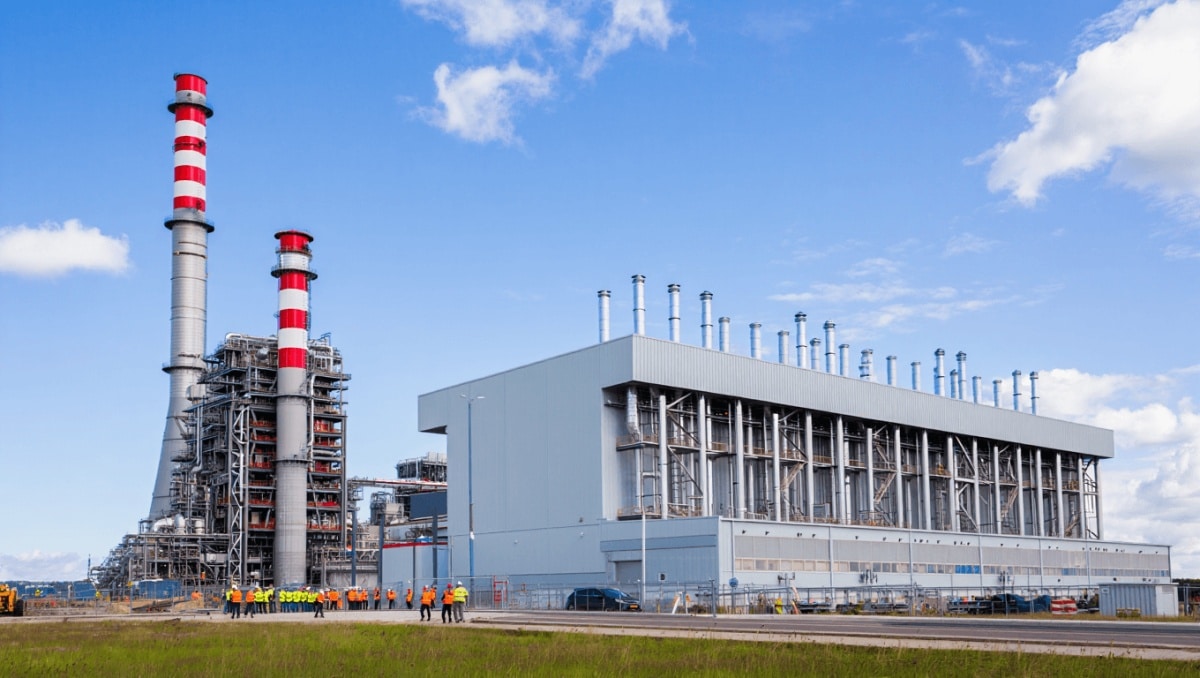
This week Microsoft said it is partnering with energy firms to develop a natural gas-fired plant in West Texas that could eventually reach roughly 5 gigawatts of capacity. Google disclosed a separate project in North Texas with Crusoe to build about 933 megawatts, and Meta recently expanded plans for its Hyperion complex in Louisiana to roughly 7.46 GW by adding seven additional gas units. Together, the moves underline an industry trend: data-center operators are locking down dedicated fuel and generation to keep AI workloads running uninterrupted.
Most of these projects are clustered in the southern United States, where major shale formations sit. A U.S. Geological Survey assessment has highlighted massive regional resources — enough, in one estimate, to meet U.S. demand for months if drawn down — which helps explain why tech firms are focused there. Still, production growth in the three largest shale-producing regions has slowed, complicating the picture.
Supply-side limits are already materializing. Consultants at Wood Mackenzie warn of a scarcity of gas-fired turbines and related components, driving sharp cost inflation: equipment can represent around a quarter of a plant’s capital expense, and lead times have lengthened substantially. The firm projects large price increases compared with pre-pandemic levels and says new orders may not be fulfilled for several years.
In other words, companies are taking a bet on continued, accelerating demand for electricity from AI systems — and on the idea that building on-site gas generation is the most practical response. But that bet involves several exposure points.
- Price vulnerability: Electricity prices in the U.S. are closely tied to natural gas prices; if gas costs spike, operating costs for data centers will rise even if generation is contracted.
- Equipment bottlenecks: Long lead times for turbines and other plant hardware can delay projects and push up capital costs.
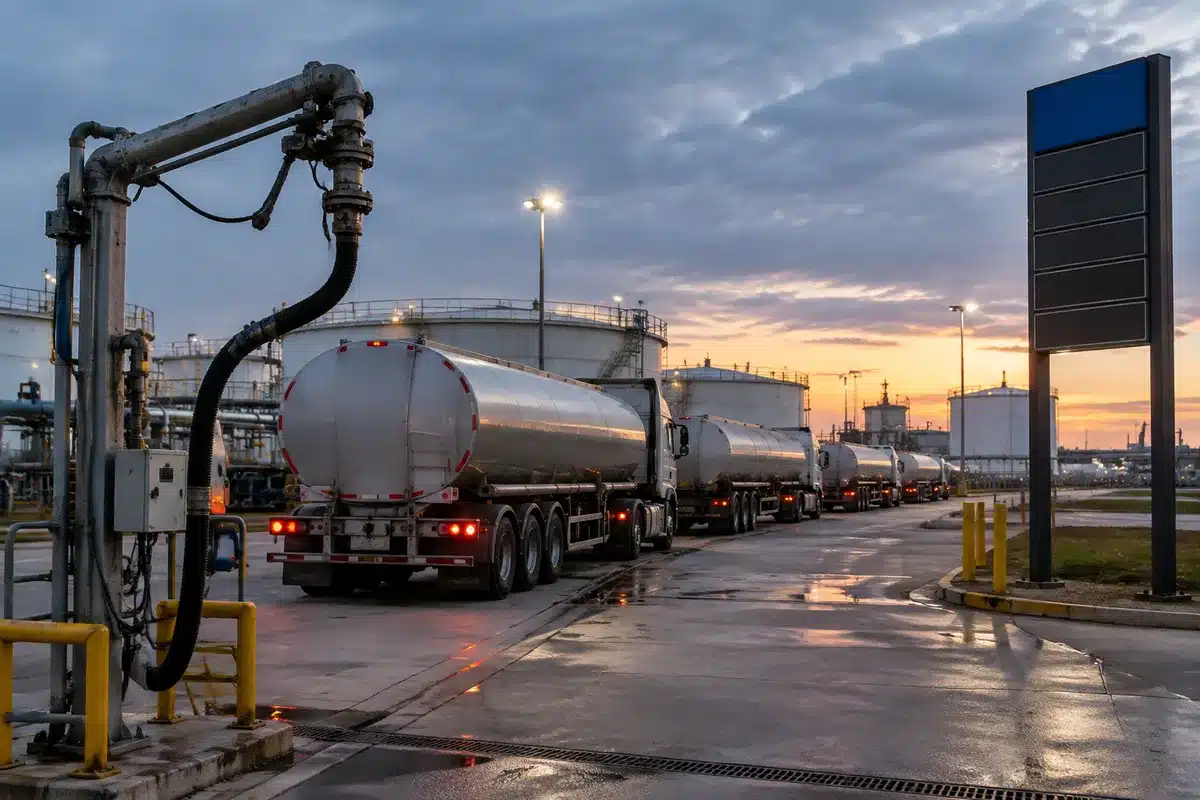
- Local supply competition: Industries that cannot easily switch from gas to renewables — such as petrochemicals — may compete directly with data centers for limited fuel.
- Weather and operational risk: Extreme cold or other disruptions (for example, freeze-offs at wells) can curtail supply suddenly and severely.
- Political and social pushback: Concentrated industrial demand for gas behind the meter can draw scrutiny from regulators and communities concerned about price impacts and resource allocation.
There is also a contract risk that is hard to evaluate from the outside. Tech firms typically do not disclose the detailed terms of these fuel agreements, so it is unclear how sheltered they are from future price shocks. A fixed-price supply contract would limit exposure, but variable or indexed deals could leave operators vulnerable.
Companies have been framing these projects as a way to ensure reliability — building generation “behind the meter,” directly tied to a data center rather than the public grid. That architecture can reduce dependence on local transmission capacity and short-term grid volatility. Yet it also shifts the pressure onto the gas network: in aggregate, dozens of large behind-the-meter plants could raise regional gas demand enough to affect prices for households and other firms.
That dynamic matters because nearly half of U.S. electricity generation now comes from natural gas, according to the Energy Information Administration. If data centers scale up behind-the-meter generation aggressively, they could accentuate seasonal or weather-driven price swings. The memory of the 2021 Texas freeze, when wellhead freeze-offs and cold-driven demand created severe supply stress, remains a cautionary example: when gas runs short, priorities become excruciatingly political.
Tech executives may argue they are increasing resilience for critical services. But the consequence of carving out private gas-driven micro-networks is to turn a digital expansion into a contest for finite physical resources. That trade-off — reliability for a subset of users versus broader market and social costs — is likely to attract more scrutiny as projects move from plan to operation.
For now, the rush reflects confidence that AI workloads will keep growing and that electricity demand for computing will remain non-negotiable. History suggests, however, that rapid industry expansion often forces hard choices about resources and regulation. Whether these companies will regret placing such a big bet on natural gas — and on a supply chain that is already strained — is a question that could play out in power bills, local politics and perhaps even in how AI services are provisioned during times of stress.