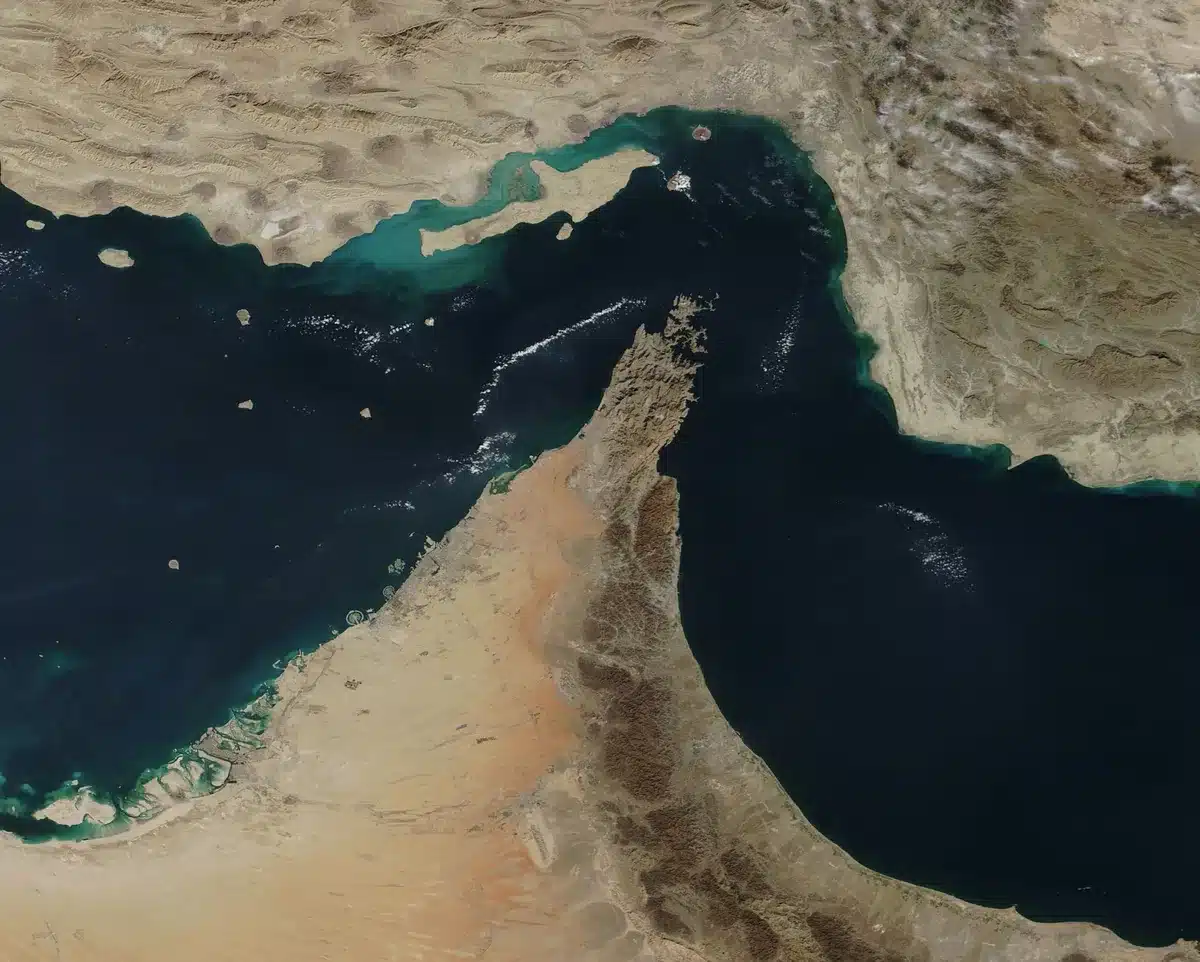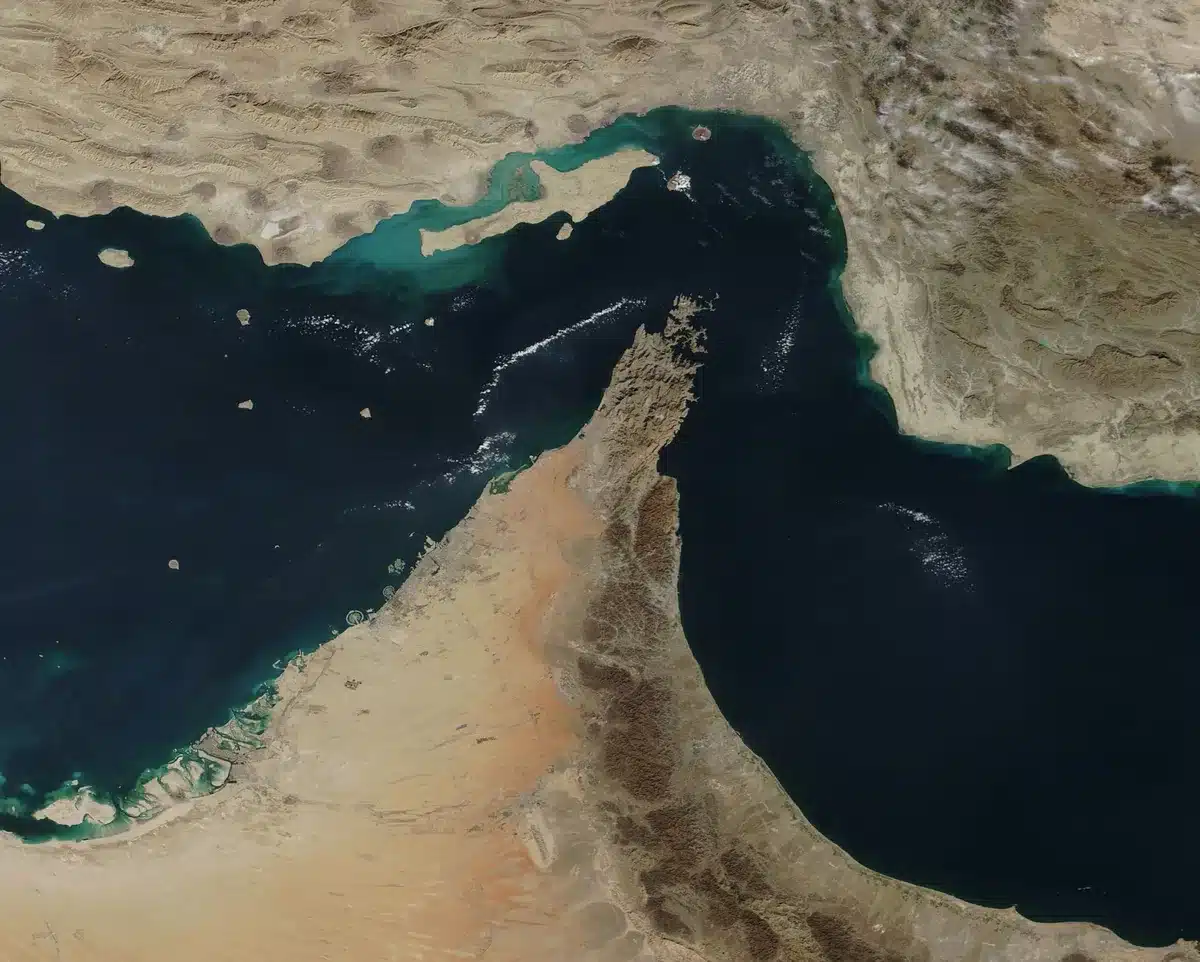
Crude flows through the Strait of Hormuz reached about 33.7 million barrels in the week beginning September 20, preliminary ship-tracking data showed, as oil transit levels moved higher after earlier disruptions.
Reuters reported that preliminary Kpler ship-tracking data showed crude oil flows out of the Strait of Hormuz reached 33.7 million barrels in the partial week starting Sept. 20, marking a recovery from the much lower volumes seen when the route was disrupted, according to the same report.
Kpler’s tracking counted the volume on around 19 crude tankers during the week, and Reuters said the figure followed a previous full week that saw 49.2 million barrels shipped via Hormuz, underscoring a step-up in tanker movements this month.
Analysts and market coverage cited by Reuters linked the rise in Hormuz transit volumes with higher shipments from major Gulf producers; Reuters noted most of the recent flows came from Saudi Arabia, followed by Iraq, based on the Kpler data.
The rebound in the Strait of Hormuz is feeding into broader market moves: Reuters and other outlets covered how improving Middle East exports helped ease some price pressure after spikes tied to the earlier fighting and attacks on tankers and facilities.

Background coverage from Reuters and Kpler has tracked how the strait — the world’s key oil chokepoint — fell to very low throughput during the peak of disruption, and how satellite and ship-tracking firms have been used to estimate real-time flows while official figures lag.
The recovery in shipments is one factor oil traders are watching alongside diplomatic moves; recent reporting in this outlet’s internal pool shows diplomatic proposals and responses that aim to reopen or regularise shipping in and near Hormuz.

Why it matters: the Strait of Hormuz normally carries about a fifth of global oil shipments, so changes in transit volumes have outsized effects on price and market sentiment, and traders use weekly ship-tracking tallies such as Kpler’s as a real-time supply signal.
As reporting continues, market watchers are also comparing the current partial-week flows with the larger full-week totals that preceded them and with earlier months when exports were sharply reduced, drawing on Kpler and wider shipping-data analysis.
Sources
- Reuters — reported the 33.7 million barrels figure, credited preliminary Kpler ship-tracking data and noted most recent flows were from Saudi Arabia then Iraq.
- Kpler — provided the preliminary ship-tracking estimates used in Reuters coverage showing weekly crude volumes through the Strait of Hormuz.
- Al Jazeera — provided earlier context on how flows changed after the MoU period and tracked monthly flow patterns cited by analysts.