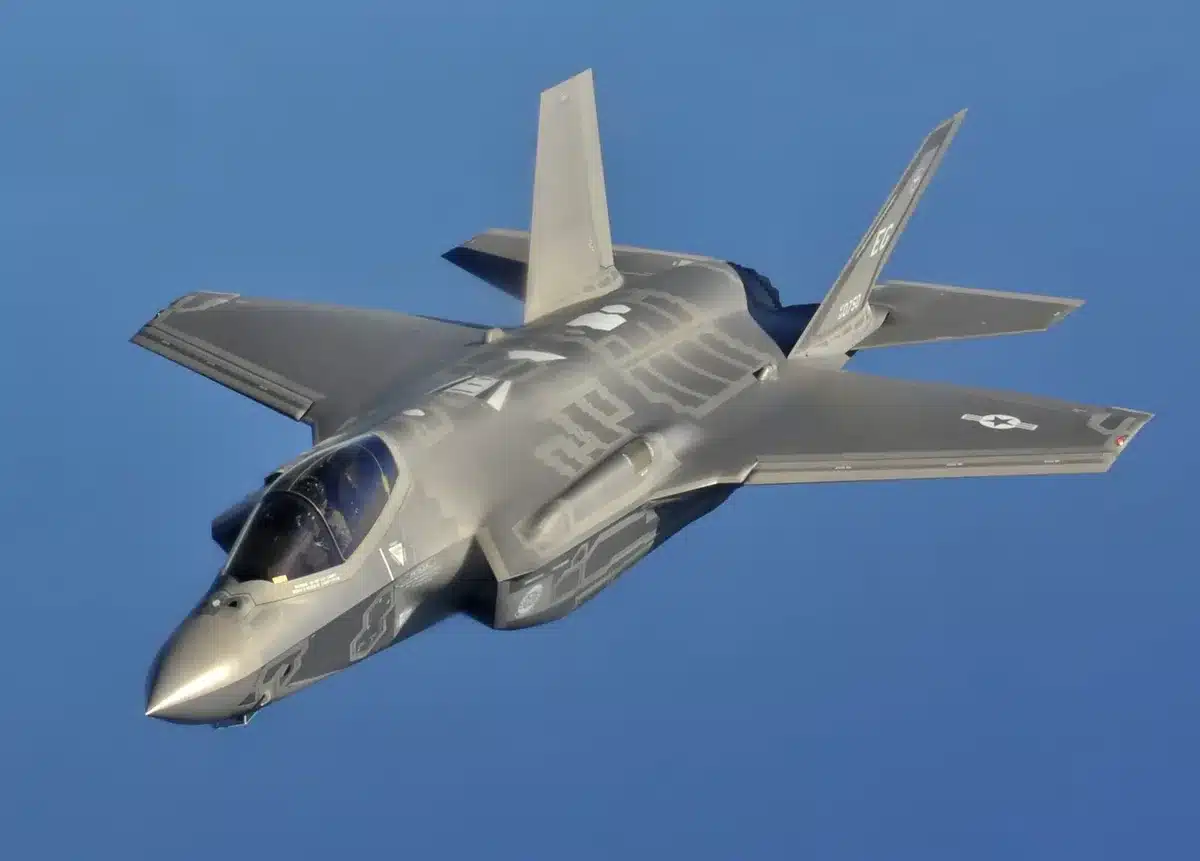
At least ten civilian aircraft were intercepted by fighter jets over the Chicago area on Sept. 28 after violating a temporary flight restriction, local outlets reported.
Local coverage and social posts showed residents seeing military jets scramble to escort multiple small planes; NBC Chicago reported that more than 10 general aviation aircraft entered restricted airspace and that several were intercepted under NORAD direction.
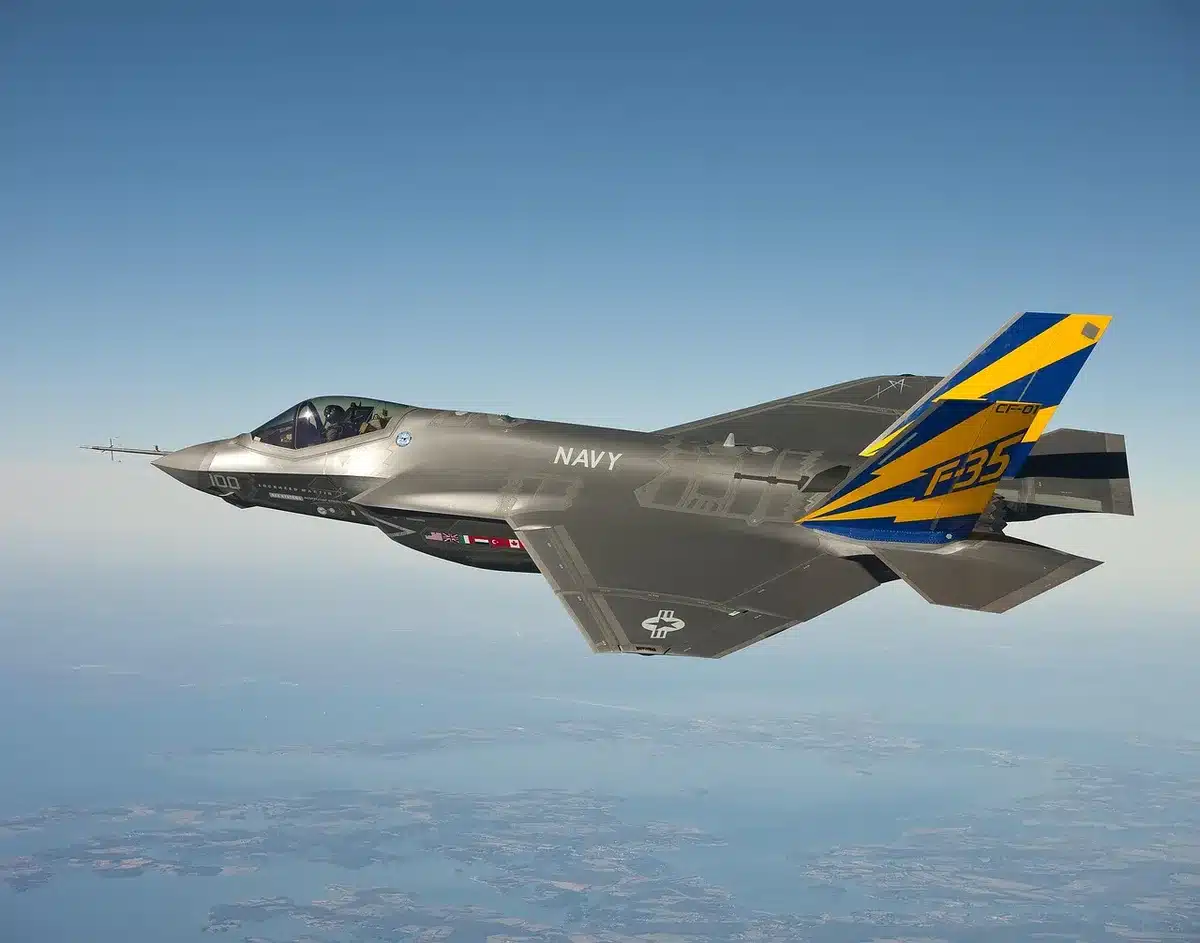
The domestic intercepts come as Washington also cleared a potential international sale of fighter jets: the U.S. State Department notified Congress of a possible $24.3 billion package that would provide Saudi Arabia with up to 48 F-35 aircraft, engines and support equipment, Reuters reported on Sept. 17.
Reuters said the notification begins a congressional review of the sale, which the State Department said “will not alter the military balance in the region” in its notice cited by multiple outlets.

Separately, U.S. military safety concerns remain visible after a training accident: CNN and other outlets reported that an F-16 fighter jet crashed during a training flight in northern Michigan on Sept. 17 and that the pilot ejected and was taken to hospital in stable condition.
Incidents like the Chicago intercepts and the Michigan crash both highlight routine but serious risks tied to high-tempo operations for fighter jets — from enforcing temporary flight restrictions to training mishaps — and the procedures that govern intercepts and safety responses.
As precedent, NORAD and the Air Force have previously scrambled fighters to intercept civil aircraft that violated restricted zones, with Aero-News and NBC Chicago recounting earlier examples where fighters escorted civilian planes away from sensitive airspace during temporary flight restrictions.
Why it matters: the F-35 sale, if cleared by Congress, would be one of the largest U.S. foreign military sales of recent years and could reshape regional air capabilities; at the same time, domestic intercepts and crashes draw public scrutiny over safety, airspace control and pilot training practices.
Sources
- NBC Chicago — reported that more than 10 general aviation aircraft entered restricted airspace over Chicago and that several were intercepted by fighter jets.
- Reuters — reported the State Department cleared a potential $24.3 billion sale of up to 48 F-35 fighter jets to Saudi Arabia and noted the start of congressional review.
- CNN — reported on the Sept. 17 F-16 crash in northern Michigan and that the pilot ejected and was hospitalized.
- BBC — provided video coverage and reporting on the Michigan F-16 crash during training.
- Aero-News — described prior NORAD intercepts and the standard practice of scrambling fighters to enforce temporary flight restrictions.