Economists who track the data say the United States is not currently in a recession, but the eruption of conflict in Iran has tilted the balance of risks. The key question now is how long the confrontation lasts and whether higher energy prices ripple through wages, spending and corporate activity.
The debate matters because the difference between a statistical recession and a gradual slowdown is what determines hiring decisions, household budgets, and market behavior in the months ahead. Six economists Business Insider contacted agreed on one point: the outlook is fragile and closely tied to how the war affects energy and supply chains.
How experts decide if the economy is slipping
In the U.S., an independent academic panel — the National Bureau of Economic Research — is the official arbiter of recessions, and it waits for a broad set of indicators before declaring one. That approach is deliberately retrospective: the committee looks for sustained declines in activity across the economy rather than a single weak quarter.
Economists point to several measures that tend to carry the most weight: real personal income (excluding transfers), payroll employment, industrial activity and retail receipts. On those fronts, the signals are mixed. Payroll gains have slowed markedly, and some consumer measures show cooling, but many series have not fallen consistently enough to meet the committee’s standard for a recession.
Manufacturing, which often weakens in a downturn, has in fact shown signs of life recently — a factor keeping some forecasters from putting a recession at the center of their outlooks.
What the Iran conflict could do to the U.S. outlook
Where the conflict in Iran matters most is through energy prices and the cost of moving goods. The Strait of Hormuz is a key shipping lane for oil; any sustained disruption can lift crude prices, which then feed into gasoline, jet fuel and diesel — raising costs for households and businesses.
Higher fuel and transport costs can quickly show up in grocery bills and construction materials, squeezing margins for firms and spending power for consumers. Forecasters say that if the fighting is prolonged and significant enough to push oil substantially higher for an extended period, the probability of a recession would increase.
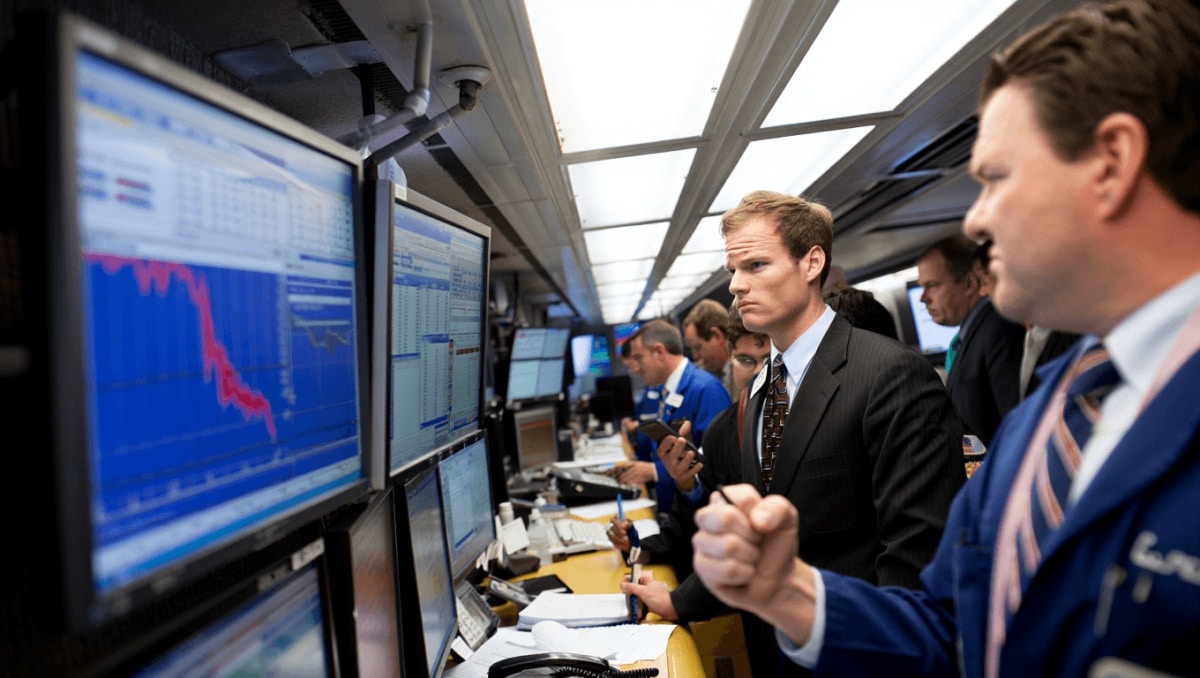
At this stage, economists are watching how financial markets respond in real time, while recognizing that many standard recession metrics are backward-looking. That lag makes it harder to read the full economic impact as events unfold.
- Oil and energy prices — immediate channel from conflict to consumer prices.
- Yield curve — inversion can signal recession risk if it persists.
- Unemployment rate and initial claims — early labor-market deterioration is an important warning.
- Real personal income (ex transfers) — measures household purchasing power.
- Manufacturing and industrial output — often weaken in recessions.
- Consumer sentiment — falling confidence can reduce spending and feed back into slower growth.
Inflation, wages and a still-uneven job market
Inflation has eased from the peaks seen after the pandemic, but the labor market does not feel robust to many analysts. Hiring has become more concentrated in a few sectors, while unemployment has inched up and long-term joblessness has ticked higher — trends that warrant close attention.
Some economists describe the job market as “sickly”: not collapsing, but no longer adding the broad-based strength that supports spending by middle- and lower-income households. In that environment, a shock to energy prices or supply chains could have outsized effects on spending patterns.
Consumers already feel the strain
Polling shows household confidence has softened. The University of Michigan’s sentiment gauge fell modestly in recent months as consumers weighed the conflict and higher pump prices. Economists note that people do not need an official recession declaration to behave like the economy is worse — reduced spending and hiring hesitancy can themselves intensify an economic slowdown.
That dynamic is important: if households pull back on discretionary purchases and firms delay hiring, the cumulative effect could push otherwise resilient growth into contraction.
The bottom line: the U.S. is not currently in a recession by the usual readings, but the Iran war has raised the probability of one by changing the energy and geopolitical backdrop. The next several months of data on payrolls, income, inflation and consumer behavior will be decisive in determining whether the economy keeps growing or slips into contraction.