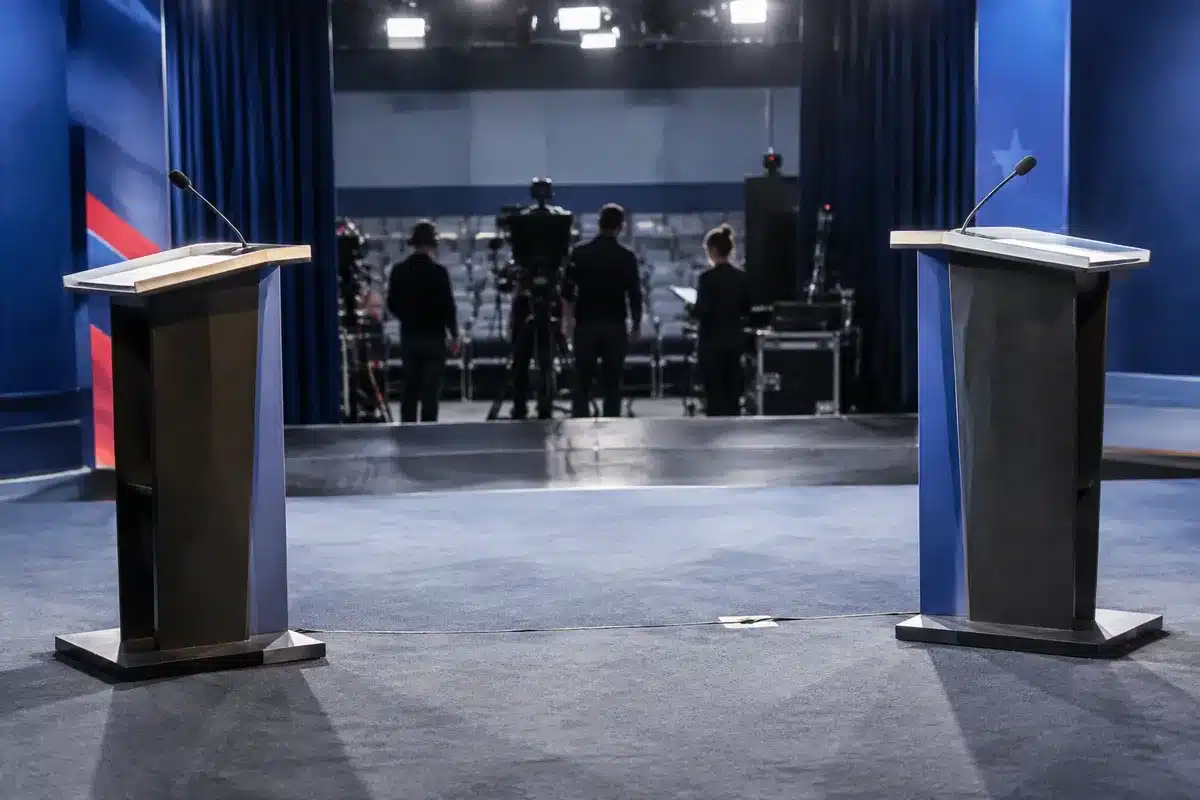
A newly posted photo gallery credited to AP photographer Carolyn Kaster draws attention to the small gestures and larger moments that shape today’s political coverage. The collection—short, immediate and visually direct—reminds readers why images remain central to understanding unfolding events and decisions that affect daily life.
Photographs in news galleries do more than illustrate a story: they compress context into a single frame. Kaster’s work, in this set, emphasizes facial expression, body language and the physical settings that often go unreported in text alone. For readers scanning headlines, those visual cues can quickly convey tone, tension and consequence.
Why this matters now: as attention spans shorten and platforms favor thumbnails and quick swipes, a well-curated gallery can steer public understanding more efficiently than a long article. For editors and readers alike, images offer a rapid way to assess what to follow up on — and which developments may have immediate impact.
In practical terms, here’s what to look for when you open a news gallery like this one:
- Contextual details — Backgrounds, signage and surroundings that place a scene in time and space.
- Nonverbal cues — Expressions, gestures and posture that suggest mood or intent.
- Sequence and pacing — How images arranged together reveal escalation, resolution or continuity.
- Photographic choices — Framing, focal length and lighting that shape how a viewer reads a moment.
Not every gallery aims to be definitive. Some collections are meant to document routine moments, others to highlight breaking developments. In either case, the photographer’s decisions—what to include, what to exclude, when to press the shutter—determine how a scene will be remembered.
For journalists and curious readers, galleries are a compact source of reporting. They often surface details that official statements and press releases omit: an aide’s hurried glance, a closed door in the background, the way a room is arranged. Those details can alter interpretation and sometimes prompt new reporting angles.
Visual journalism also carries responsibilities. Captions, credits and clear sourcing are essential to maintain trust. The credit line accompanying this gallery names Carolyn Kaster and the Associated Press, underscoring editorial provenance—information readers can use when assessing reliability.
Viewing a gallery closely can change what you notice next in the news cycle. A single image can raise questions worth pursuing: What led to this scene? Who else was present? What followed? For civic-minded readers, that inquisitive thread is often the most valuable outcome of a well-made photo gallery.
Perspective: in an era of rapid news consumption, curated photo galleries provide a balance between brevity and depth. They invite pauses—moments where readers slow down and consider nuance. That pause, in turn, supports more informed public discussion.