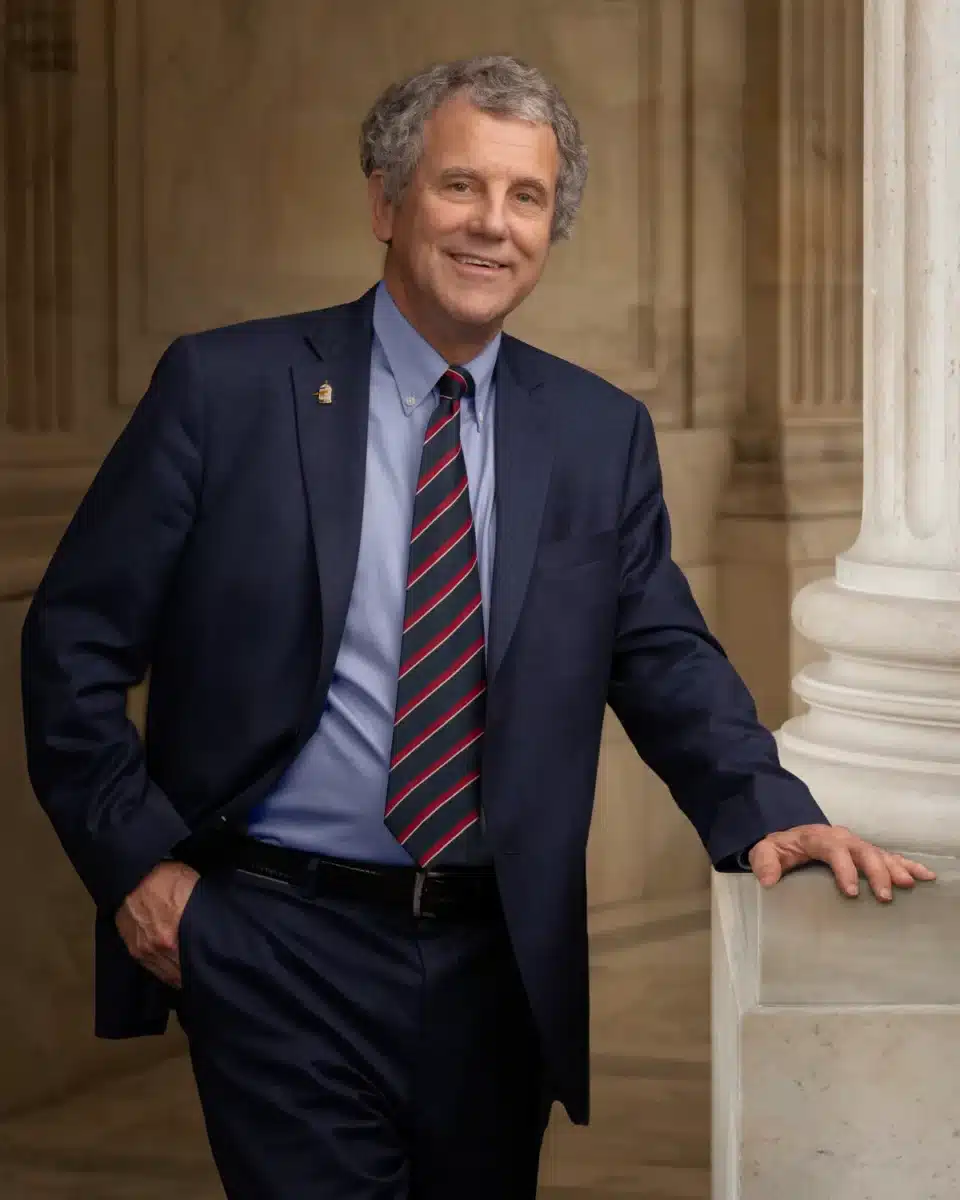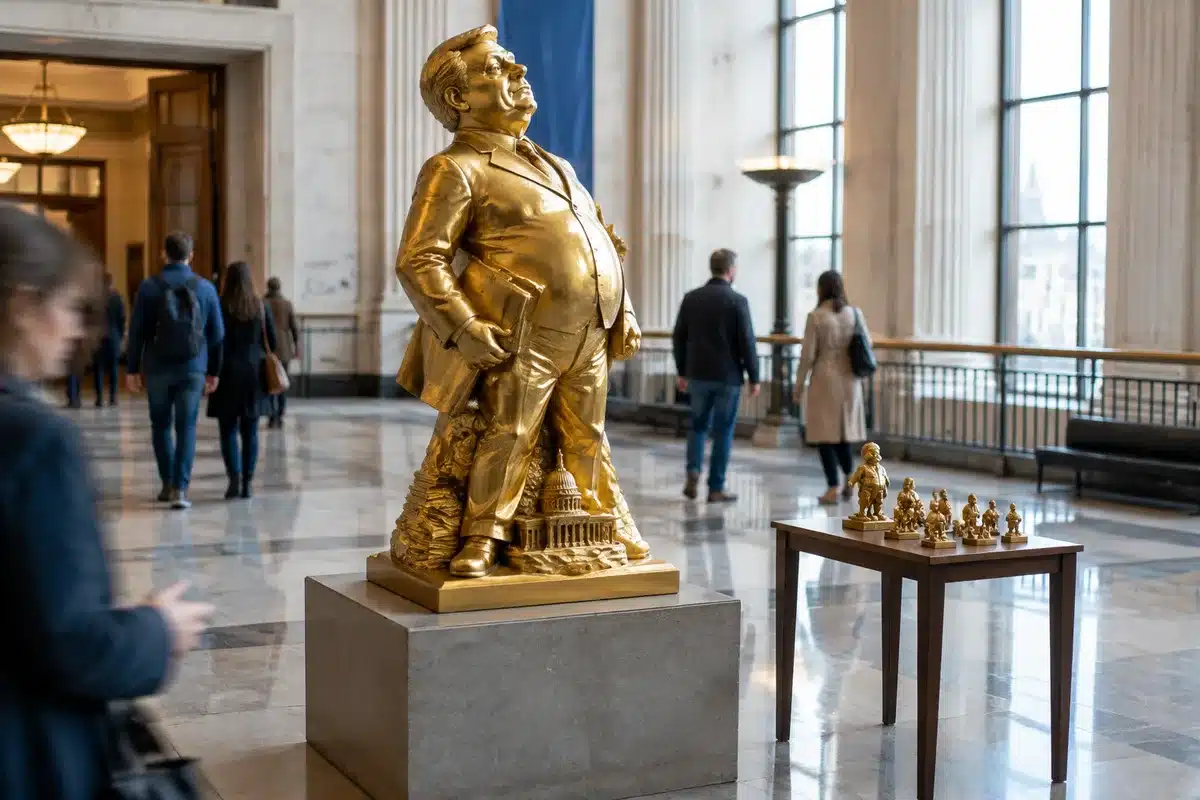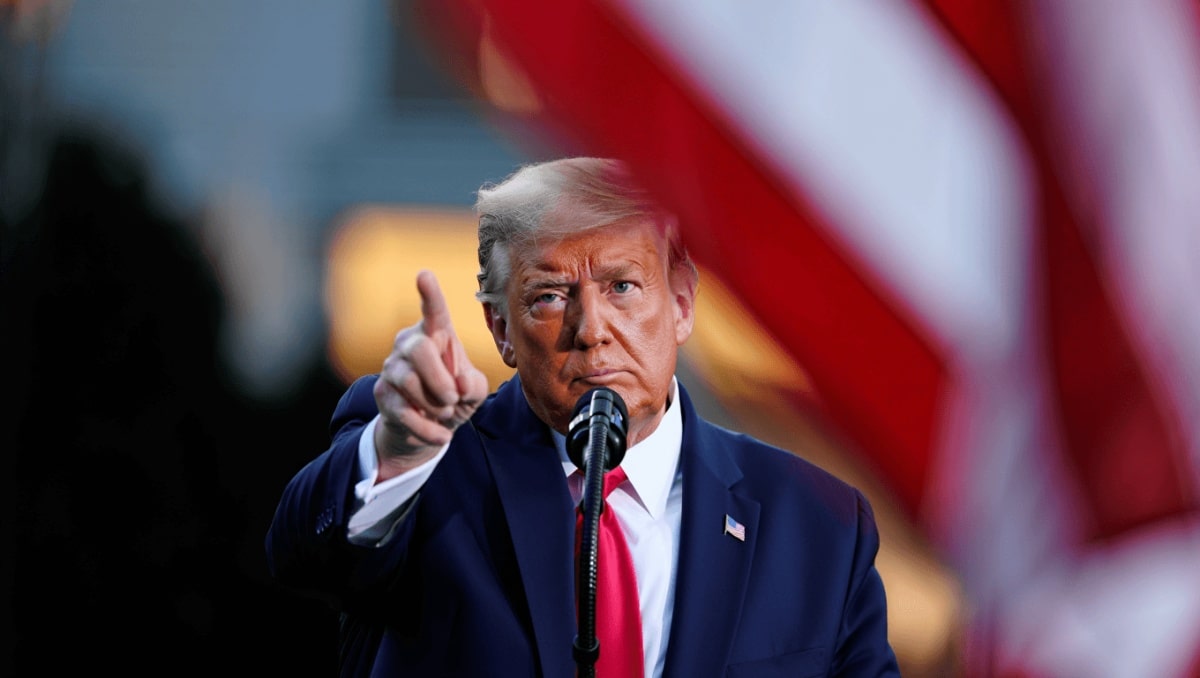
That tiny credit beneath a photograph — names like Brendan Smialowski/AFP/Getty Images — does more than acknowledge who pressed the shutter. In an era of fast-moving news, deepfakes and shifting licensing models, those short lines are a key signal of provenance, accountability and legal rights; understanding them helps readers separate reliable reporting from manipulated imagery.
Professional photo credits tell readers who created an image, which organization handled distribution, and often where to look for context or permission. For news consumers this matters now because visual evidence frequently shapes public opinion within minutes, and the provenance of a single image can affect everything from legal claims to newsroom trust.
Photographic attribution serves several practical functions. It identifies the photographer, links the image to an agency or outlet that can verify usage rights, and preserves a chain of custody that is crucial when images are republished, archived or challenged. Those functions are under pressure as automated image generation and informal sharing proliferate.
How to read a photo credit
- Photographer name — who made the image and is often the primary copyright holder.
- Agency or wire — names like AFP, Getty or AP indicate a professional distribution channel and usually accompanying metadata.
- Caption context — a single line can clarify who appears in the photo, where it was taken and why it matters.
- Usage markers — when visible, terms like “licensed to” or “used with permission” signal legal clearance for reuse.
- Absence of credit — a missing or vague credit is a red flag; it may mean the origin is unclear or the image was pulled from social media without verification.
Newsrooms and publishers handle image rights in a variety of ways:
| Source type | Typical ownership and permissions |
|---|---|
| Wire agencies (AFP, AP, Reuters) | Agency retains distribution rights; subscribing outlets license images and must display supplied credits and captions. |
| Getty and stock libraries | Images offered under specific licenses (editorial, commercial); strict terms govern reuse and attribution. |
| Freelance photographers | Individual owns copyright unless transferred; usage depends on contract terms with publishers. |
| Social media uploads | Often ambiguous rights; newsrooms typically seek permission and independent verification before publishing. |
Recent debates in media circles have intensified around three practical consequences for readers. First, misattributed or uncredited photos can spread misinformation quickly; second, unclear licensing undermines the economic model that supports professional photographers; and third, the rise of AI-generated imagery complicates verification because visual cues alone are no longer reliable.
For consumers trying to assess an image’s trustworthiness, a few simple checks can help: look for a clear credit line, read the caption for time and place details, and when in doubt run a reverse image search or consult the publishing outlet’s corrections and sourcing notes. Publishers themselves are increasingly embedding standardized metadata (IPTC/XMP) and visible credits to preserve provenance.
All of this matters because images remain one of the most persuasive elements in news storytelling. Proper attribution protects creators, supports fact-checking and helps readers judge the credibility of what they see. The next time you pause on a striking photo, that small credit line is worth a closer look.