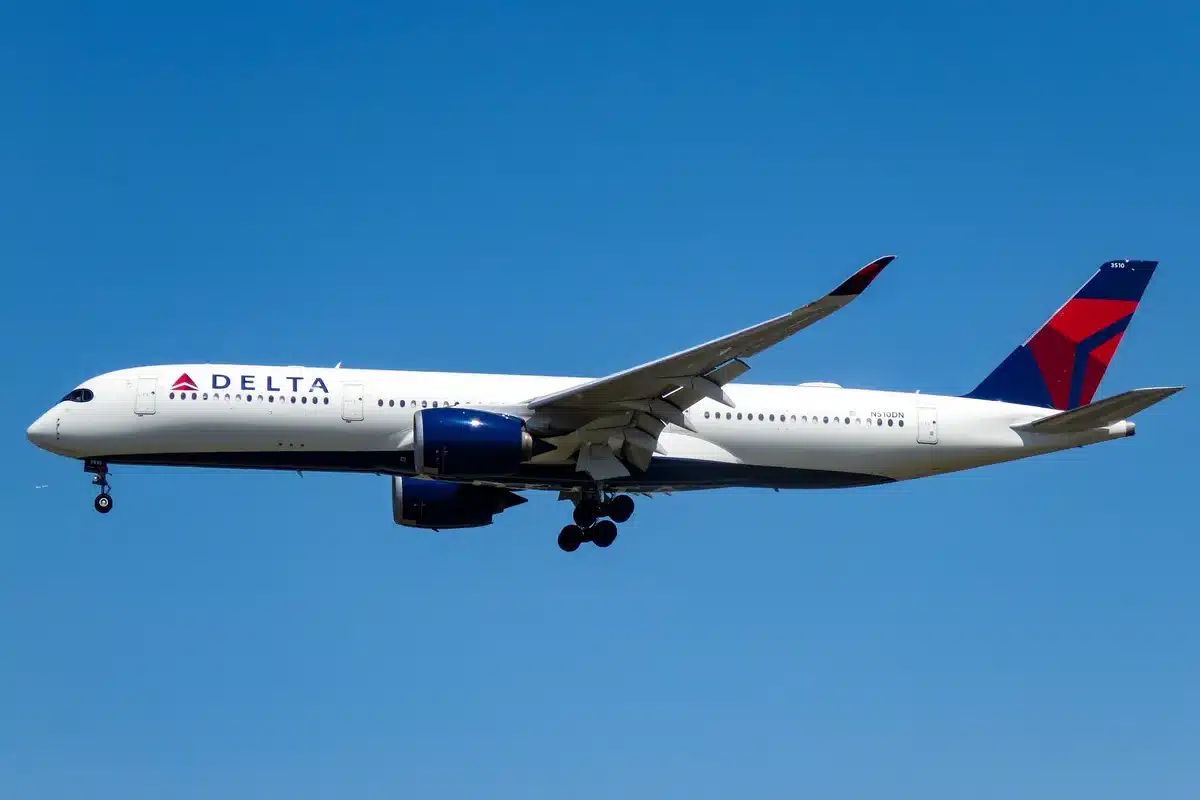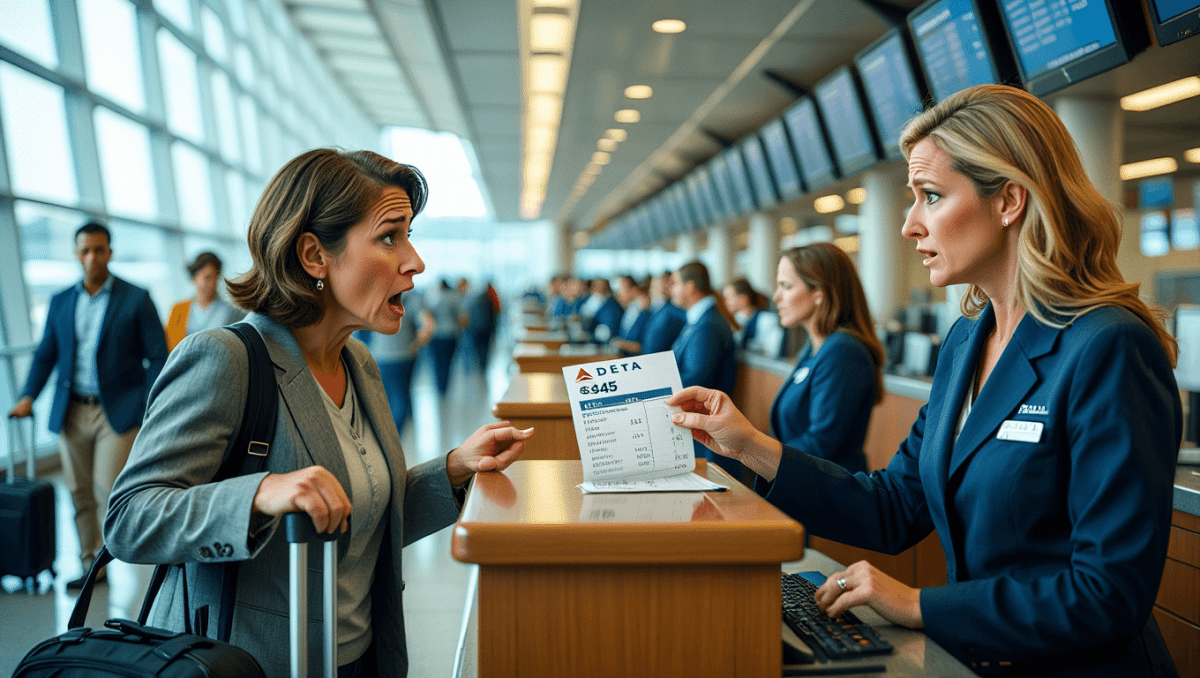
Delta Air Lines has raised its fee for the first checked bag to $45, aligning its policy with United and JetBlue as carriers shift more travel costs onto passengers. The move comes amid higher airline operating expenses and reshapes the out-of-pocket cost of flying for many passengers.
Why the change matters now
Higher charges for checked luggage increase the visible cost of routine trips and can change how travelers compare fares. For customers who habitually check a bag, the hike affects total trip budgets and may shift choices about carriers, routes or how much to pack.
Airlines are increasingly relying on what the industry calls ancillary revenue—fees for services beyond the base ticket—to protect margins when fuel and other costs climb. Raising baggage fees lets carriers react faster than changing published fare levels while keeping headline prices competitive.
How the fee compares across major U.S. carriers
| Airline | First checked bag (domestic) | Notes |
|---|---|---|
| Delta Air Lines | $45 | Standard economy; applies to many paid domestic fares |
| United Airlines | $45 | Matches Delta’s fee for first checked bag |
| JetBlue | $45 | First checked baggage fee aligned with legacy carriers |
Practical implications for travelers
- On a round trip with one checked bag, the new fee effectively adds to the journey’s cost and should be included when comparing total fares.
- Frequent flyers and those who travel with families may see the largest impact on travel budgets.
- Passengers who carry only a personal item or a carry-on may avoid the increase, but policies vary by fare class and airline.
Shoppers should also note that many fare searches still highlight base fares while ancillary costs appear later in the booking flow. That can make comparisons less straightforward unless the full price, including baggage, is calculated up front.
Industry context and likely next steps
Airlines have a history of adjusting fees in response to fuel price swings and demand patterns. Because baggage charges are a flexible revenue source, they are often the first lever carriers pull to shore up profitability without altering advertised fares.
For travelers, the change underscores the growing gap between a ticket’s sticker price and the final amount paid. Loyalty program perks, co-branded credit cards and certain fare classes can still waive baggage charges for eligible customers, so travelers who frequently check luggage should review those benefits before booking.
The shift to a $45 first-bag fee is a reminder that the economics of flying are evolving: small, incremental fee changes now add up, and they influence both consumer choices and airline pricing strategies.