
Update (Sep 23): On Sept. 23, U.S. President Donald Trump addressed the U.N. General Assembly, saying a deal with Iran "is possible after the midterm elections" while warning he had alternative options.
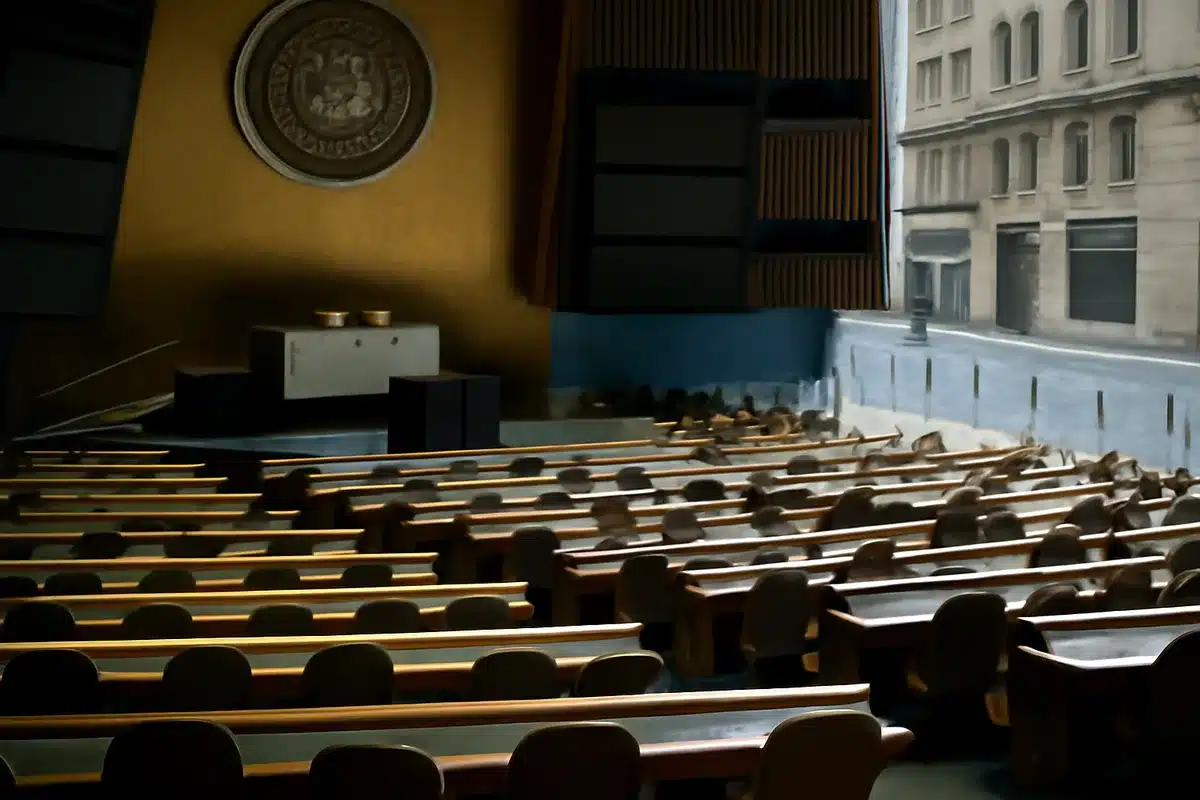
As world leaders gather for the 81st U.N. General Assembly in New York, U.S. officials will face a crowded foreign policy agenda that includes wars in the Middle East, support for Ukraine and debates over technology, climate and U.N. leadership.
Delegations meet during the General Debate running around 22–26 September, under the theme “Restoring trust, managing transformation,” the U.N. says; that schedule frames a week of high-level talks and bilateral meetings where U.S. priorities will be tested.

Reuters reports U.S. envoys arrive amid heightened attention to the Israel‑Iran war and to continued international support for Ukraine, two conflicts expected to dominate foreign policy discussions at UNGA.
CNN and Reuters note U.S. officials must also navigate Iran’s official presence in New York this week — the U.S. has said Iranian delegation members will be allowed to attend but will face travel and purchasing restrictions.

Beyond immediate conflicts, the agenda includes technology and AI governance, climate action and global health — topics the U.N. and policy groups flagged as central to this session and to U.S. foreign policy messaging.
The gathering also overlaps with a contested moment for the U.N. itself: coverage notes António Guterres is attending what reporters call his final General Assembly and member states are discussing the next secretary‑general, adding institutional questions to the week’s diplomacy.
For U.S. officials the practical challenge will be pairing public speeches with intensive bilateral diplomacy — Reuters and the U.N. describe a schedule of plenary debate plus dozens of side meetings where alliances and aid commitments are often negotiated face-to-face.
Local logistics matter too: New York city and federal authorities have briefed stepped‑up security and transport plans to handle heads of state and thousands of delegates, a detail organizers say will shape how and where U.S. conversations take place.
Policy teams in Washington will press for concrete outcomes on assistance and sanctions while trying to prevent headline clashes on the dais; analysts warn that the pile-up of crises makes it harder for any single U.S. message to dominate the agenda.
Sources
- United Nations — dates, theme and description of High‑Level Week work program.
- Reuters — coverage of Middle East and Ukraine attention, and reporting that the U.S. will allow an Iranian delegation to attend under restrictions.
- CNN — reporting on travel and purchasing restrictions applied to the Iranian delegation and overview of UNGA agenda.
- Consilium (EU Council) — confirmation of UNGA dates and the session theme.
- NPR — context on U.N. leadership and the state of diplomacy as leaders convene.










