

Update (Sep 17): Data aggregator CoinGlass reported roughly $345 million in crypto liquidations on Sept. 17, 2026, with about 86,800 traders liquidated over the prior 24 hours.
Cryptocurrency trading is likely to remain choppy as major tokens move sharply and forced liquidations reappear, and traders should prepare by tightening risk controls and sizing positions, experts say.
Market volatility has increased in recent months: Reuters reported that crypto market swings sparked about $2.5 billion in bitcoin liquidations earlier this year, showing how quickly leveraged positions can be wiped out.
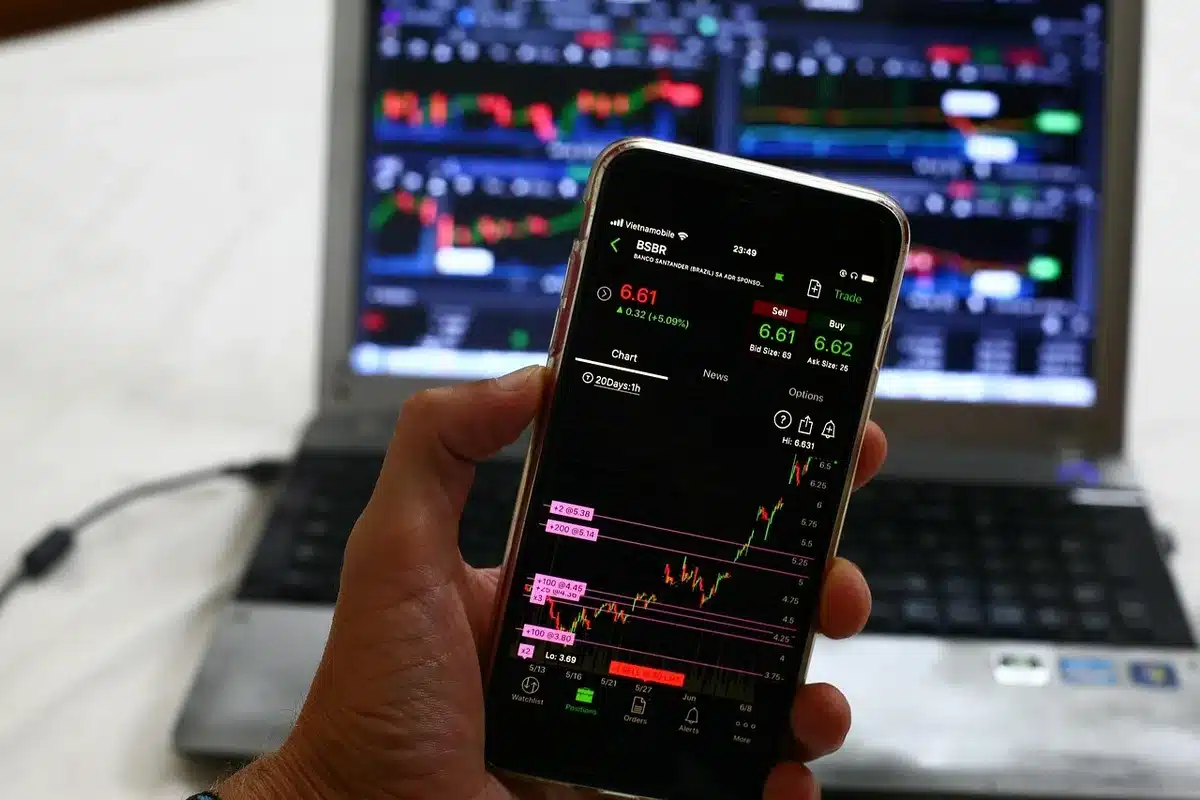
Bitcoin’s price action is one concrete example of the turbulence traders face: U.S. markets showed bitcoin trading near $77,000 ahead of a Fed meeting, underlining that macro events still move crypto prices, according to a market roundup from this site.
Against this backdrop, established risk-management tools matter. Investopedia explains position sizing as a way to limit losses and avoid over-leveraging, and recommends calculating a fixed risk per trade rather than betting large fractions of capital.
Practical steps traders commonly use include setting explicit stop-loss orders, reducing leverage, and diversifying across liquid pairs, guidance echoed in recent 2026 strategy roundups such as CoinBureau’s risk-management guide.

For shorter-term trading in choppy markets, tactics like trading during peak liquidity windows, pairing scalps with strict stop rules, and using volatility-based position sizing (ATR-based) are typical recommendations from trading guides and industry commentary.
Protecting capital also means limiting exchange and custody risk: commentators advise keeping only active-trading funds on exchange accounts and moving longer-term holdings to self-custody or trusted custodians, a point made in recent market-structure coverage.
That said, traders should treat macro headlines as catalysts, not sole signals. Reuters and other outlets note that regulatory news, large balance-sheet moves and U.S. policy events can create outsized price moves in short windows; combining technical risk controls with an awareness of scheduled macro events can reduce surprise losses.
Beginner and intermediate traders can start by defining a personal risk-per-trade (many guides use 1% of capital as a benchmark), backtesting simple stop-and-limit rules on liquid pairs, and keeping a trading journal to monitor drawdowns and behavior under stress.
For readers who want immediate market context, see the site’s recent roundup on trading volume and the SEC regulation explainer for legal context around trading of digital assets.
Sources
- Reuters — reported the $2.5 billion in bitcoin liquidations and discussed recent crypto volatility.
- Investopedia — explained position sizing and risk-per-trade methods used by traders.
- CoinBureau — offered practical risk-management tactics for volatile crypto markets.
- Site roundup — provided current bitcoin price context and volume discussion from the internal roundup.