The Republican Party is one of the two major U.S. political parties. This primer explains the GOP’s basic structure, from the national Republican National Committee to state and precinct units, and what each level does for candidates and voters.
At the top, the Republican National Committee (RNC) is the party’s national organization. Britannica describes the RNC as the committee that “oversees the activities of the Republican Party, including organizing the party’s national convention,” and the party’s rulebook likewise assigns the RNC responsibility for the quadrennial convention that nominates presidential candidates.
Below the national level, the party is decentralized into state parties, county or unit committees, and precinct organizations. State party plans and guides — such as the Republican Party of Virginia’s Unit Chair handbook and state bylaws — show that precinct chairs and county committees run local organizing, recruit volunteers, and represent voters at county conventions.

Precinct committeemen (often called precinct chairs) are the GOP’s grassroots backbone. Manuals and resource guides used by state parties explain that precinct workers “represent the GOP voters of his or her precinct” and maintain voter lists, canvass neighborhoods and staff get-out-the-vote efforts.
State and national coordination also includes policy platforms and fundraising. The 2024 Republican Party platform is publicly posted and outlines the party’s stances on taxation, regulation and national security, while party committees and allied groups manage fundraising and candidate support across races.

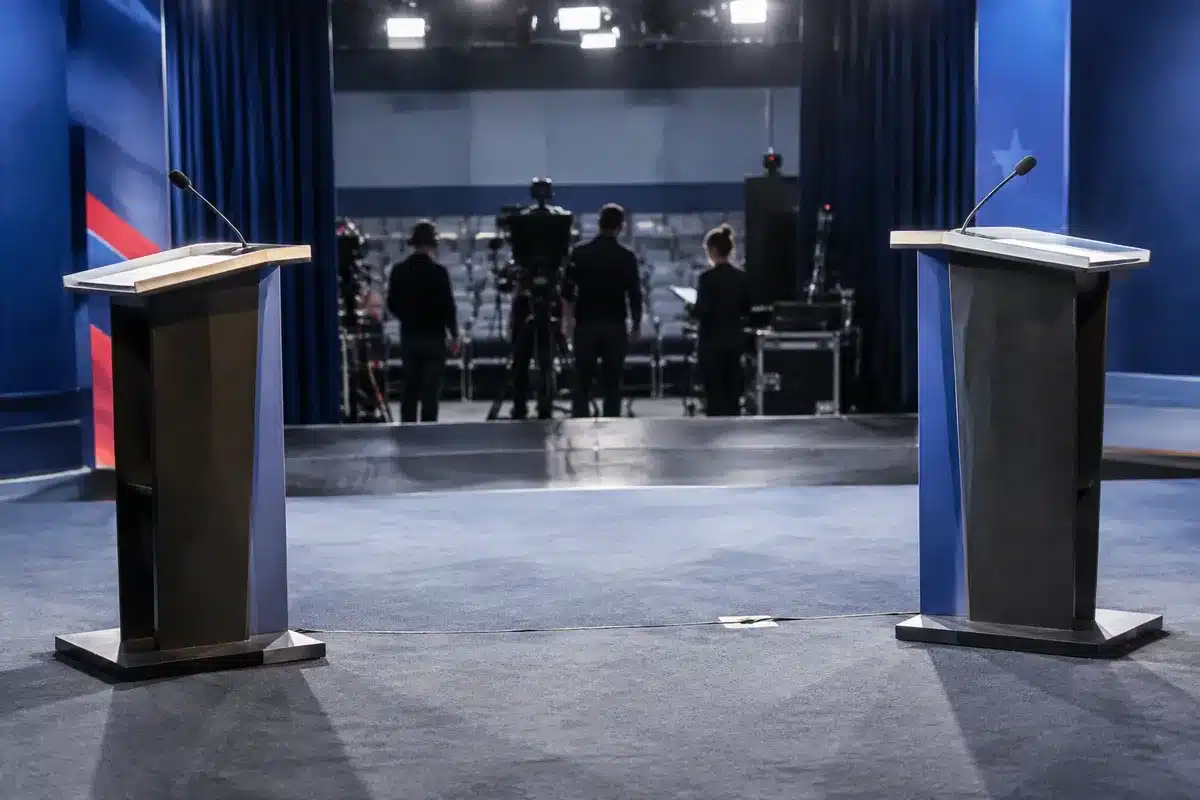
Practically, the structure shows up in annual activity: state parties run primaries and conventions, county committees organize local ballots, and the RNC and state delegations meet at national events. For example, the party’s recent midterm convention in Dallas gathered national speakers and state organizers to coordinate messaging and turnout ahead of the November contests.
For readers interested in current GOP events and how the national and state levels interact, two recent site stories reported the party’s midterm convention in Dallas and speeches there that underline how national priorities and local organizing meet on the ground.
Sources
- Britannica — described the RNC’s role in overseeing the Republican Party and organizing the national convention.
- Republican Party of Virginia — provided the unit chair handbook and details on precinct and county responsibilities.
- Presidency.ucsb.edu — published the 2024 Republican Party platform document used to summarize party policy positions.
- ECIKS — reported on the GOP midterm convention in Dallas and on speeches there.