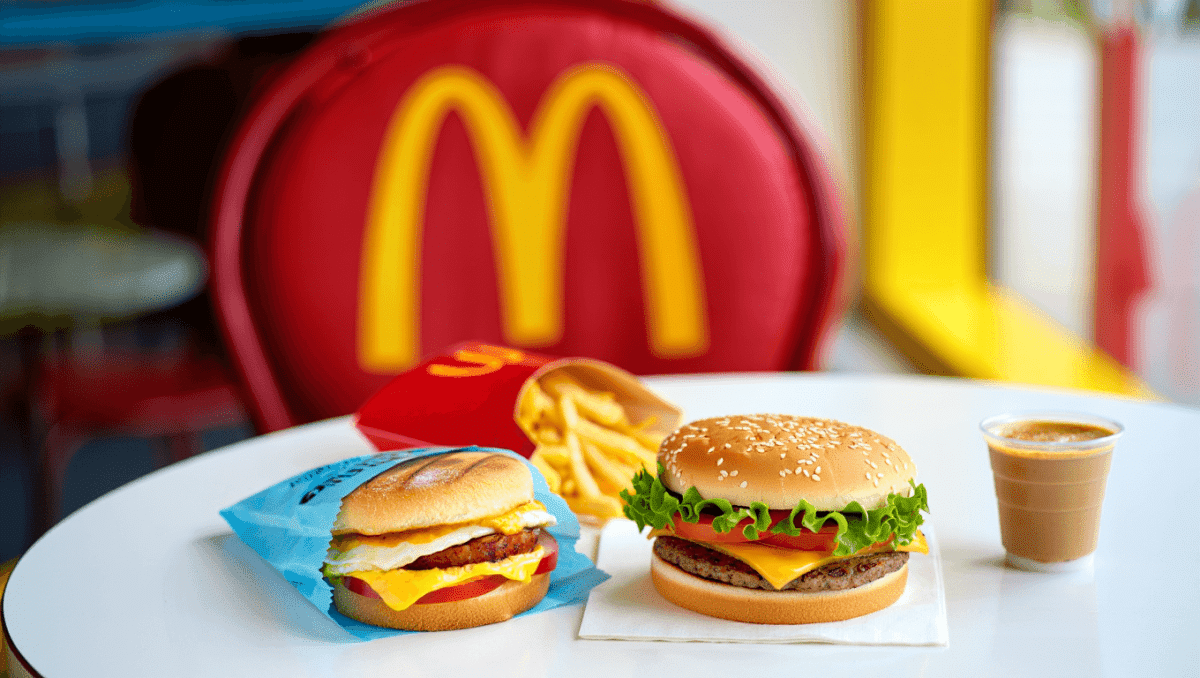
McDonald’s is rolling back prices on select menu items, reintroducing a lineup that features options priced at $3 or less and advertising breakfast combos for about $4. The move comes as consumers continue to watch their wallets and quick-service restaurants double down on value to protect traffic and market share.
For customers, the change is immediate and practical: lower sticker prices on everyday items make routine visits feel less costly. For the industry, however, the decision tests margins at a time when labor and ingredient costs remain elevated and competitors are watching closely.
What the new pricing shift means
This latest adjustment puts McDonald’s back into price-competitive territory after several years of menu experimentation and premium-item pushes. Positioning more items at the $3 price point is an explicit bid to capture attention from budget-conscious diners and weekday breakfast crowds seeking quicker, cheaper options.
Analysts say the move is a response to two simultaneous pressures: rising consumer sensitivity to everyday spending and intensifying competition among national chains that have recently expanded their own value menus. The company is aiming to keep frequency of visits steady even if average ticket sizes remain under pressure.
How customers are likely to benefit
Shoppers should see a clearer set of low-cost choices on menus and digital ordering platforms, plus promotional breakfast bundles advertised around the $4 breakfast level. That gives morning commuters and price-sensitive households predictable, inexpensive options without needing to hunt for coupons or limited-time discounts.
- Lower out-of-pocket cost for common items and combo meals
- Simpler value offers across in-store and app ordering
- Potentially more targeted promotions during off-peak hours
Trade-offs for the business
Value pricing can stimulate foot traffic, but it may compress profit margins unless offset by higher volume or lower operating expenses. Franchise owners, who shoulder much of the day-to-day cost structure, may face tighter returns unless the company provides support or drives compensating sales growth.
There’s also a strategic dimension: leaning into affordability could slow the rollout of higher-margin premium items and premium coffee ambitions, at least temporarily. That balancing act—between attracting bargain-seekers and preserving long-term profitability—will shape McDonald’s next few quarters.
What to watch next
- Rollout scope — whether pricing changes are national or vary by market
- Menu details — which specific items are included at the lower price points
- Franchisee response — how restaurateurs react and whether they see a lift in traffic
- Competitor moves — whether rivals match prices or lean into different value propositions
- Company updates — financial results and same-store sales will show if the strategy is working
For consumers, this is a near-term win: more affordable choices where many people already eat. For McDonald’s and the broader fast-food sector, the question is whether these price adjustments will translate into sustainable growth or simply shift spending patterns among frequent diners.
Expect continued emphasis on value offers across the industry as economic pressures shape everyday dining decisions. Observers will be tracking sales trends and franchise sentiment closely to see whether lower price points become a long-term feature or a short-term tactic to respond to changing household budgets.