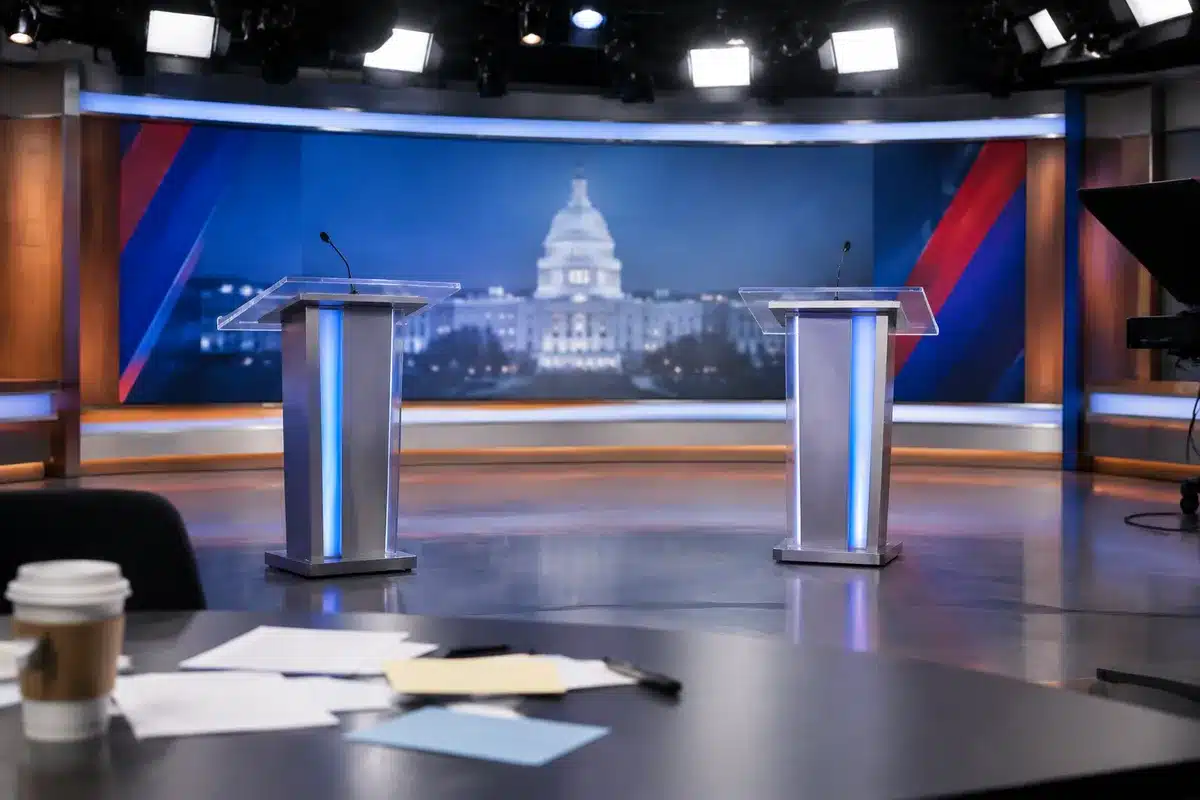
Election officials oversee voter registration, ballot handling and vote tabulation, and face legal risks when state or federal rules are unclear or when their actions are challenged in court.
At the local and state level, election officials run registration rolls, manage absentee and mail ballots, certify results and coordinate with federal agencies on security and major incidents. These duties are set by state law and implemented by county clerks, secretaries of state and local election boards.
Legal risks for an election official can include civil suits over alleged mishandling of ballots, criminal investigations when wrongdoing is alleged, and administrative challenges to certifications. Officials sometimes consult legal counsel or request guidance from state attorneys general and the Department of Justice when they face novel questions about procedures or statutes.
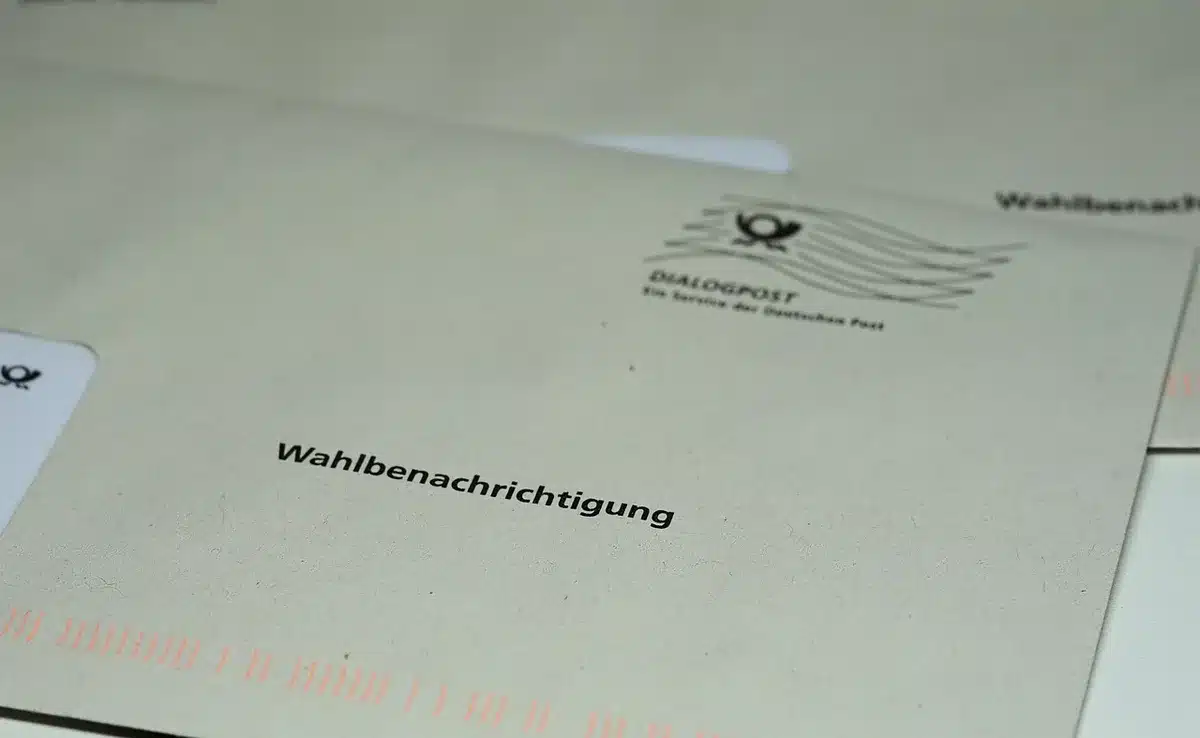
In recent months, the Justice Department and other federal actors have been in public discussion with state and local election issues; readers can view broader reporting on DOJ election priorities and funding requests ahead of the midterms for related coverage.
Election officials who face subpoenas, civil suits or criminal inquiries commonly rely on counsel; for guidance on when to hire criminal defense counsel see practical legal resources used by officials and staff.
Sources
- eciks.org — reporting on DOJ civil rights priorities and midterms provided context for federal involvement: https://eciks.org/25569-voter-fraud-doj-civil-rights-midterms
- eciks.org — coverage of calls for election security funding and federal-state coordination: https://eciks.org/24883-election-security-funding-democrats-dhs
- eciks.org — practical legal guidance on hiring criminal defense counsel: https://eciks.org/26228-criminal-defense-attorney-guide-us