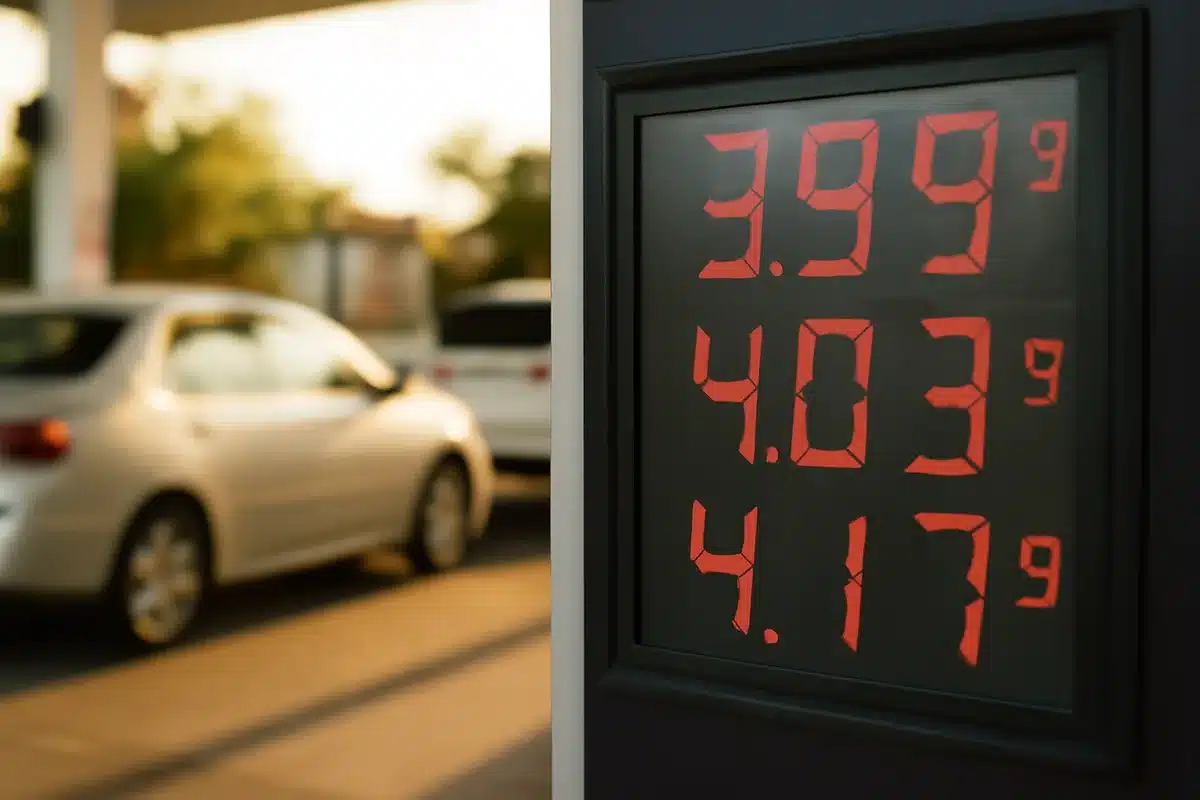
Gas prices held near $4.15 a gallon on Tuesday as the ongoing Iran war continued to strain global oil supplies and push crude prices to six-week highs. The national average for regular unleaded gasoline stood at $4.2245 per gallon as of September 9, according to AAA, with prices fluctuating around the $4.15 mark in recent days as market concerns over Middle East supply disruptions persisted.
The connection between elevated gas prices and the Iran conflict runs through the Strait of Hormuz, a critical chokepoint for global oil trade. Prior to the war, approximately 20 million barrels of oil passed through the strait daily, representing roughly one-fifth of the world’s seaborne oil trade.
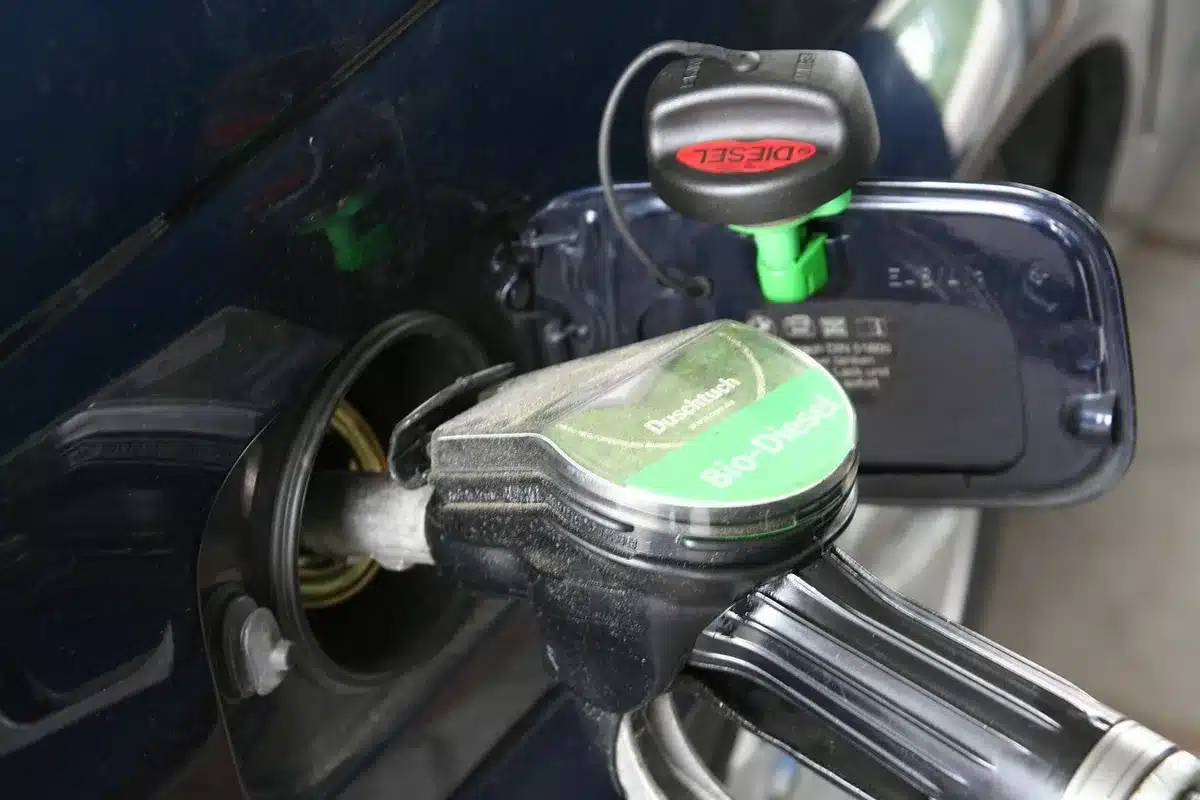
The closure and disruption of the Strait of Hormuz has reduced flows to an average of 2.7 million barrels per day as of March 2026, according to the International Energy Agency. Iran’s own crude oil production plummeted from 3.3 million barrels per day in early 2026 to 2.478 million barrels per day by July, a steep decline driven by the conflict and U.S. military actions, according to OPEC data.
Oil prices have surged in response to these supply constraints. Brent crude rose to hover around $97 a barrel by early September, while U.S. West Texas Intermediate crude similarly climbed to $92.27, both reaching six-week highs, according to reporting from Al Jazeera on September 7. Goldman Sachs warned that oil prices could rally as high as $120 a barrel if attacks on shipping intensify, according to a Reuters report from September 8.
The broader economic impact has rippled through financial markets. The S&P 500 dipped as oil prices surged on Iran tensions, with markets rattled by the combination of higher crude costs and elevated bond yields. U.S. strikes on Iranian oil tankers in early September following attacks on Navy ships further escalated tensions and kept supply concerns in focus.
The International Energy Agency has projected that global oil supply will exceed demand by only 410,000 barrels per day in 2026, down sharply from earlier forecasts, reflecting the severe impact of the conflict on production. The agency previously warned that the U.S.–Iran war may drag global oil supply below demand, a scenario that would support sustained price pressure at the pump.
Analysts note that the market remains vulnerable to further escalation. As long as the Strait of Hormuz remains constrained and Iran’s production capacity remains suppressed, gas prices are likely to stay elevated. Gas prices hit record high for Labor Day at $4.14 per gallon earlier in September, and the current levels reflect continued strain on global energy markets.
Sources
- AAA Fuel Prices — current national average gas price as of September 9, 2026
- Reuters — oil prices rising to six-week highs on Iran tensions, Goldman Sachs forecast for oil reaching $120/barrel
- Al Jazeera — Brent crude oil prices at $97 and WTI at $92.27 on September 7, 2026
- International Energy Agency — Strait of Hormuz flows reduced to 2.7 million bpd, global supply-demand balance forecast
- OPEC — Iran crude oil production data for July 2026 at 2.478 million bpd
- Newsweek — national average gas price at $4.150 on September 7, 2026