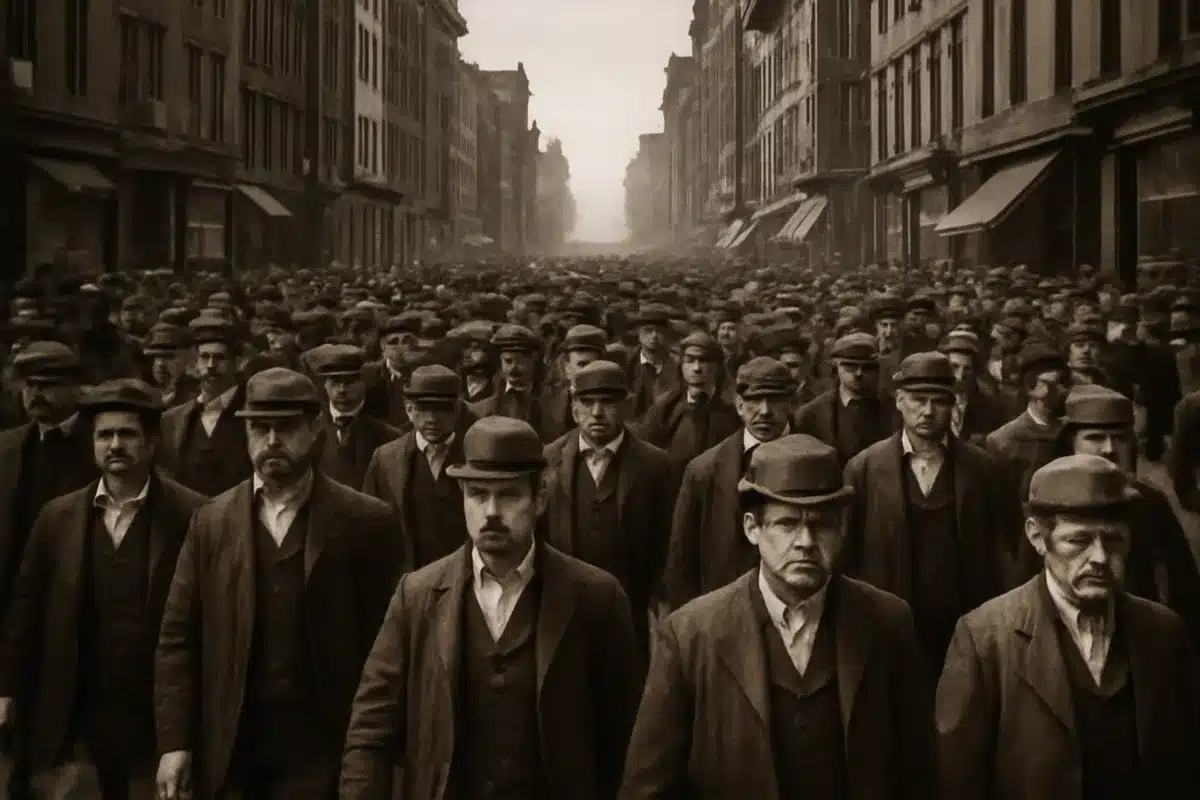
The history of Labor Day in the United States traces back to September 5, 1882, when the Central Labor Union organized a parade through lower Manhattan that became the nation’s first celebration of workers. Between 10,000 and 30,000 marchers filled the streets of New York City, many of whom sacrificed a day’s wages to participate in the demonstration.
The 1882 parade was not a festive holiday but a political protest. Workers marched to demand concrete changes to their working lives, calling for an eight-hour workday, fair wages, an end to child labor, and better treatment of immigrants. At the time, industrial workers routinely labored 10 to 14 hours per day, six days a week, in unsafe conditions with minimal pay. The parade represented an organized labor movement determined to force employers and government to address these grievances.

The 1882 event in New York was not initially recognized as a national observance. Instead, the idea of a labor holiday spread organically. Workers in other cities began holding their own demonstrations, and state governments took notice. By 1894, more than 20 states had officially adopted Labor Day as a state holiday, establishing it on various dates throughout September.
Federal recognition came after a decade of growing labor activism. On June 28, 1894, President Grover Cleveland signed legislation into law making Labor Day an official federal holiday, designated for the first Monday in September. This action formalized what had begun as a grassroots worker movement and transformed a day of protest into an annual national observance.
The transition from the 1882 parade to the 1894 federal law reflected the growing political power of organized labor in America. What started as a single demonstration in New York became a nationwide movement that governments could no longer ignore. Labor Day 2026 falls on September 7—here’s what the holiday means, and the date continues to honor the workers who fought for the rights and protections that define the modern workplace. Today’s eight-hour workday, weekends, and minimum wage protections emerged directly from the demands made during that first parade and the decades of labor activism that followed it.
Sources
- U.S. Department of Labor — confirmed the September 5, 1882 date, Central Labor Union organization, and June 28, 1894 federal holiday signing by President Grover Cleveland
- New York City Labor Council — reported 20,000 to 30,000 marchers and the eight-hour workday demand
- New York Historical Society — described the parade route through Broadway and Union Square
- Tenement Museum — documented that workers took unpaid time off to participate
- History.com — confirmed the 1894 federal holiday legislation and Cleveland’s signature