President Donald Trump pledged Wednesday to campaign in 35 key races during the final 30 days before November’s midterm elections, launching an aggressive push to help Republicans maintain control of Congress despite mounting concerns within the party about his sagging approval ratings.
Speaking at a Rose Garden dinner with Republican lawmakers, Trump said he would visit all 35 competitive House and Senate races that are likely to determine control of Congress. “I’m going to go to every one of those 35 places, and we’re going to see if we can get everyone elected,” he said, citing specific races in Alaska and Texas where he plans to stump for Republican candidates.
Trump’s commitment to an intensive campaign schedule reflects his central role in the midterm strategy, even as his popularity has declined. His approval rating has fallen to historic lows — Reuters reported in mid-August that just 33 percent of respondents approved of his performance, while 64 percent disapproved. The decline has been driven by voter concerns about the economy and the ongoing war in Iran, according to multiple polls.
The Trump Dilemma for Republicans
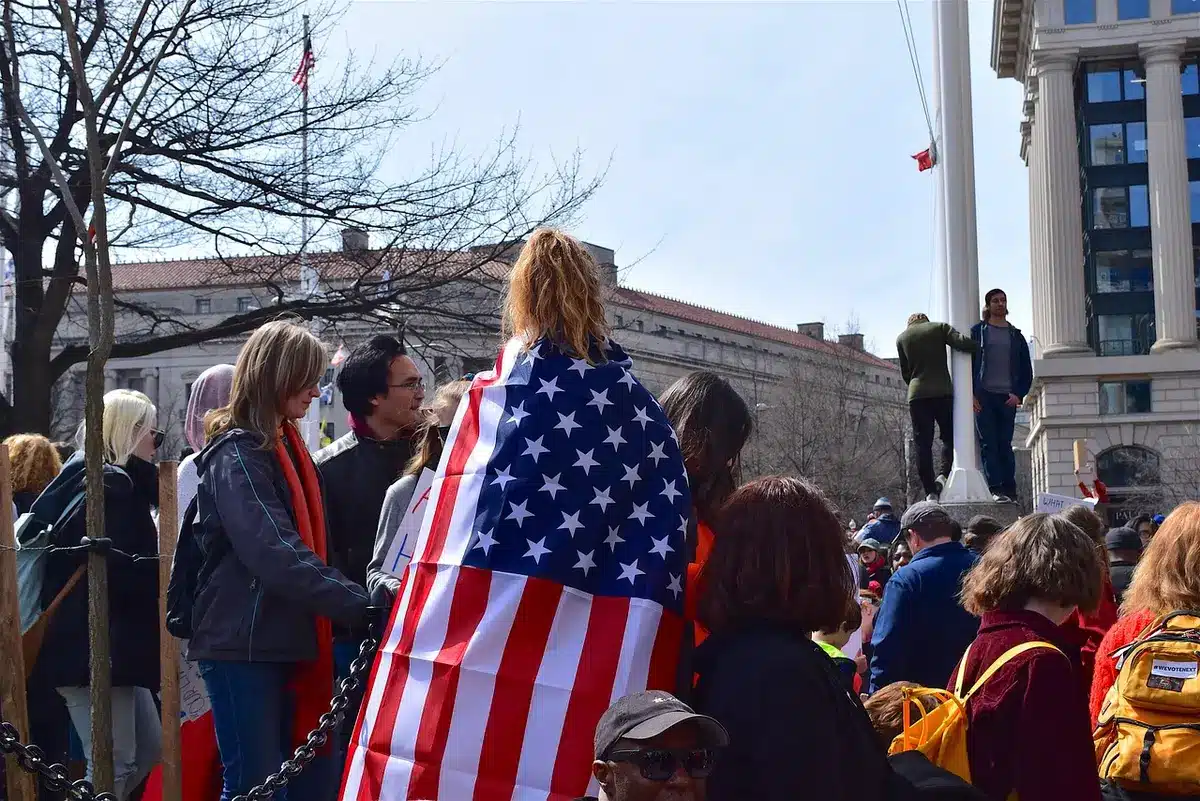
Trump’s campaign involvement has created a strategic tension for Republicans heading into the midterms. While he remains popular with the Republican base — 80 percent of Republicans approved of him in mid-August, according to YouGov — he is widely unpopular with swing voters and independents who will likely decide competitive races.
Senate Republicans have increasingly characterized Trump as a growing political liability, according to reporting from The Hill in early August. Some GOP lawmakers have quietly urged Trump to limit his campaign appearances, fearing that his presence could energize Democratic voters in their districts. NBC News reported in May that Trump’s “capacity to both attract and repel American voters creates a dilemma that Republicans are grappling with ahead of the midterm elections.”
Despite these concerns, Trump’s super PAC, MAGA Inc., holds a war chest of more than $400 million, according to the latest campaign finance reports. Republican candidates in tight races are hoping that Trump will direct some of those funds toward their campaigns while maintaining his promised personal appearances.

The 2022 midterm elections offer a cautionary precedent. While some analyses suggest Trump’s endorsed candidates performed relatively well in that cycle, other Republicans blamed him for the party’s overall underperformance. A Washington Post report from November 2022 noted “a red wave of criticism crashes into Donald Trump after midterm losses,” with some GOP figures arguing that Trump-endorsed candidates ran behind other Republican nominees in their districts.
Trump has sought to reframe his role in the 2026 midterms, telling supporters earlier this month to “pretend, please, that I’m on the ballot” when they cast their votes. He has also urged vulnerable Republicans to run on his record, highlighting economic investment, lower drug prices, and diminished border crossings — though he has used significantly inflated figures in describing these achievements, according to PBS NewsHour reporting.
The midterm elections will be held November 3, 2026, with all 435 House seats and 35 Senate seats up for grabs. Control of both chambers is expected to be closely contested, making Trump’s campaign pledge a critical test of his influence over Republicans and Trump voters in the final stretch before election day.
Sources
- NBC News — Trump’s pledge to campaign in 35 races and his super PAC’s $400 million war chest
- PBS NewsHour — Trump’s remarks about running on his record and the 35 competitive races
- Reuters — Trump’s approval rating at 33 percent in mid-August 2026
- YouGov — Republican approval of Trump at 80 percent in mid-August 2026
- The Hill — Senate Republicans viewing Trump as a growing political liability
- Washington Post — Republican criticism of Trump following 2022 midterm losses