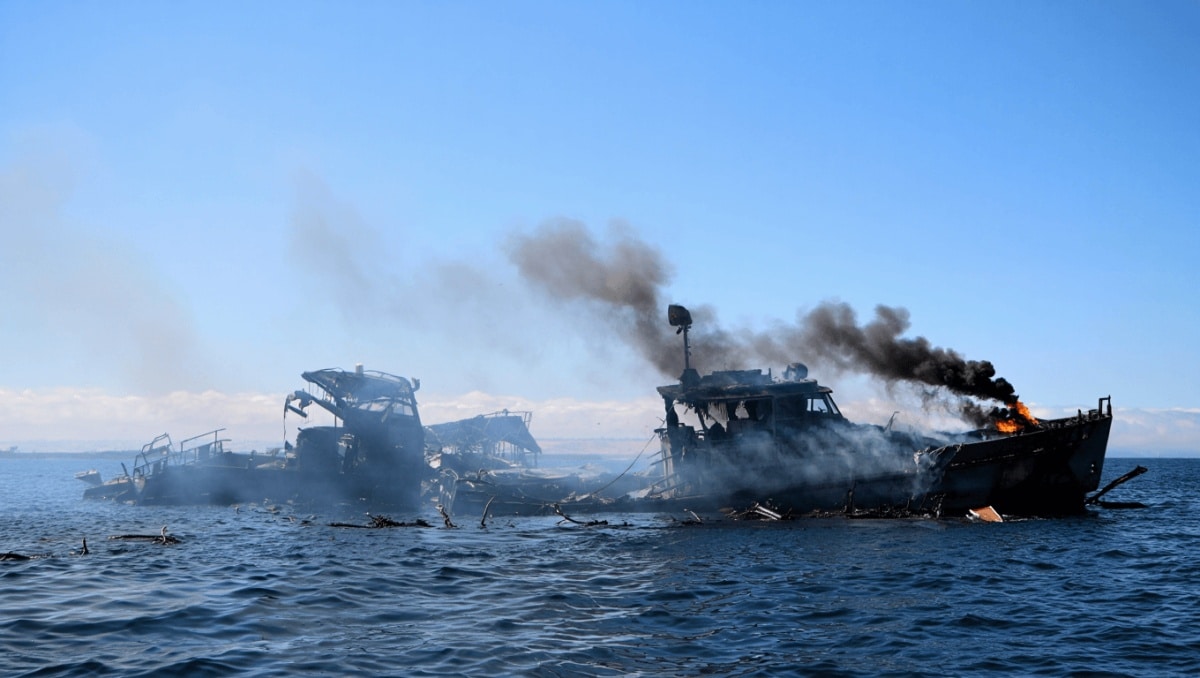
On Feb. 17, 2026, the U.S. military carried out a strike on vessels it identified as suspected drug-smuggling boats, a confrontation that officials say left 11 people dead. The operation and its aftermath are prompting urgent questions about rules of engagement, regional cooperation and how maritime interdiction is being carried out today.
The Pentagon described the action as part of ongoing efforts to disrupt illicit trafficking, saying the strike targeted vessels believed to be moving illegal narcotics. Independent confirmation of the circumstances is limited; details about the exact location, the nationality of those killed and whether any noncombatants were among the dead remain unclear.
What officials say and what’s still unknown
U.S. military statements emphasize the mission’s objective: to halt shipments of illegal drugs that fuel organized crime and violence. Military spokespeople framed the strike as a necessary enforcement measure within a broader counter-trafficking campaign.
At the same time, gaps in the publicly available record have raised concerns. There has been no detailed public account yet of how target identification was made, what intelligence supported the decision, or whether alternative, non-lethal options were considered in the moments before the strike.
- Date: Feb. 17, 2026
- Casualties reported: 11 people killed (as reported in initial military notices)
- Target described as: vessels alleged to be involved in drug trafficking
- Official status: U.S. military says operation was part of anti-trafficking efforts; further investigation announced
Reactions and regional implications
News of the strike has already triggered calls for a transparent review. Humanitarian groups and some regional officials traditionally press for thorough investigations in cases where military force results in fatalities at sea, to determine whether rules of engagement and international maritime law were followed.
Beyond accountability, the incident highlights a strategic dilemma: interdiction operations can disrupt traffickers but also carry the risk of escalation and diplomatic fallout if mistakes occur. For countries that cooperate with U.S. forces on counter-narcotics missions, the episode is likely to spur fresh discussions about intelligence-sharing, oversight and on-the-ground procedures.
Why this matters now
Maritime drug trafficking remains a dynamic transnational challenge, and the methods used to confront it have immediate consequences for regional security and civilian safety. A high-profile strike that results in multiple deaths will shape policy debates in Washington and in partner capitals about the balance between forceful interdiction and legal, operational safeguards.
Investigations now underway — whether internal military reviews or independent inquiries by affected states — will determine what new protocols, if any, are adopted. Observers will be watching for whether findings are released publicly and whether they lead to changes in training, targeting procedures or the rules that govern joint operations at sea.
The coming days should clarify the facts surrounding this strike: who was aboard the vessels, the evidence used to identify them as drug traffickers, and the steps the U.S. military and regional authorities will take to address any failures or unintended harm. Those answers will matter not just for accountability, but for how similar maritime operations are planned and executed in the future.