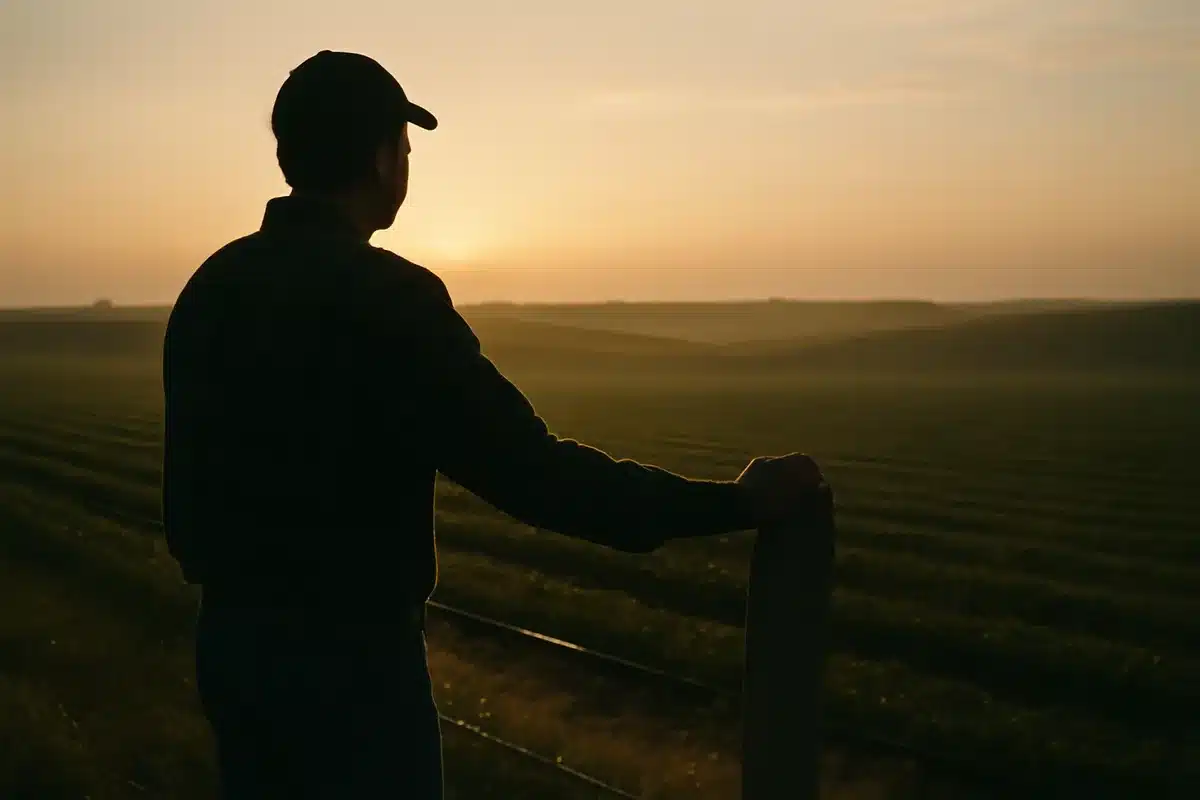
Michigan farmer John Boyer has protected 131 acres of his East Jordan farmland by entering into a conservation easement with the Little Traverse Conservancy, selling the future development rights while retaining ownership of the productive land. The move reflects a growing trend among Michigan farmers seeking to preserve agricultural property amid rising land values, development pressure, and the challenge of passing farms to the next generation.
Boyer, who bought back the family farm after it changed hands multiple times over the decades, said he felt obligated to keep the land in agricultural production and prevent subdivision. “For any farmer, everything’s personal,” Boyer said in an interview with Interlochen Public Radio. “Every piece of property, every stone you pick up, you spend countless hours out there.”
The pressure to preserve farmland is mounting in Michigan. Between 2017 and 2022, the state lost roughly 3% of its agricultural acreage, declining from 9.8 million acres to 9.5 million acres, according to the US Department of Agriculture. Farmland owned by farmers fell about 208,000 acres, or 3.6%, during that same period. Yet the number of farmland acres protected by conservation programs has increased in recent years, reflecting a national trend toward easement-based preservation.
Michigan farmland values have climbed steeply. According to the USDA, farmland was valued at about $6,800 per acre in 2025, up 7.8% from 2024 and outpacing the national average increase of 4.3%. High valuations make it harder for young farmers to buy land and create an incentive for older landowners to sell for development.

How conservation easements work
A conservation easement is a voluntary, legally binding agreement in which a landowner sells or donates development rights to a land trust or conservancy. Boyer still owns his 131 acres and can continue farming, but the Little Traverse Conservancy now holds the rights to prevent future residential or commercial development. The easement is permanent and runs with the deed, surviving any future sale or transfer.
Joe Graham, chief financial and operating officer for the Little Traverse Conservancy, explained the appeal to farmers. “We’re offering them another alternative,” Graham said. “We’re offering a way to capture some of the equity and the value they have in that land without having to sell it and see it leave their ownership.” The conservancy protects 30,000 acres in easements across five counties in northern Michigan and the Upper Peninsula, with about 6,000 acres dedicated to farmland.
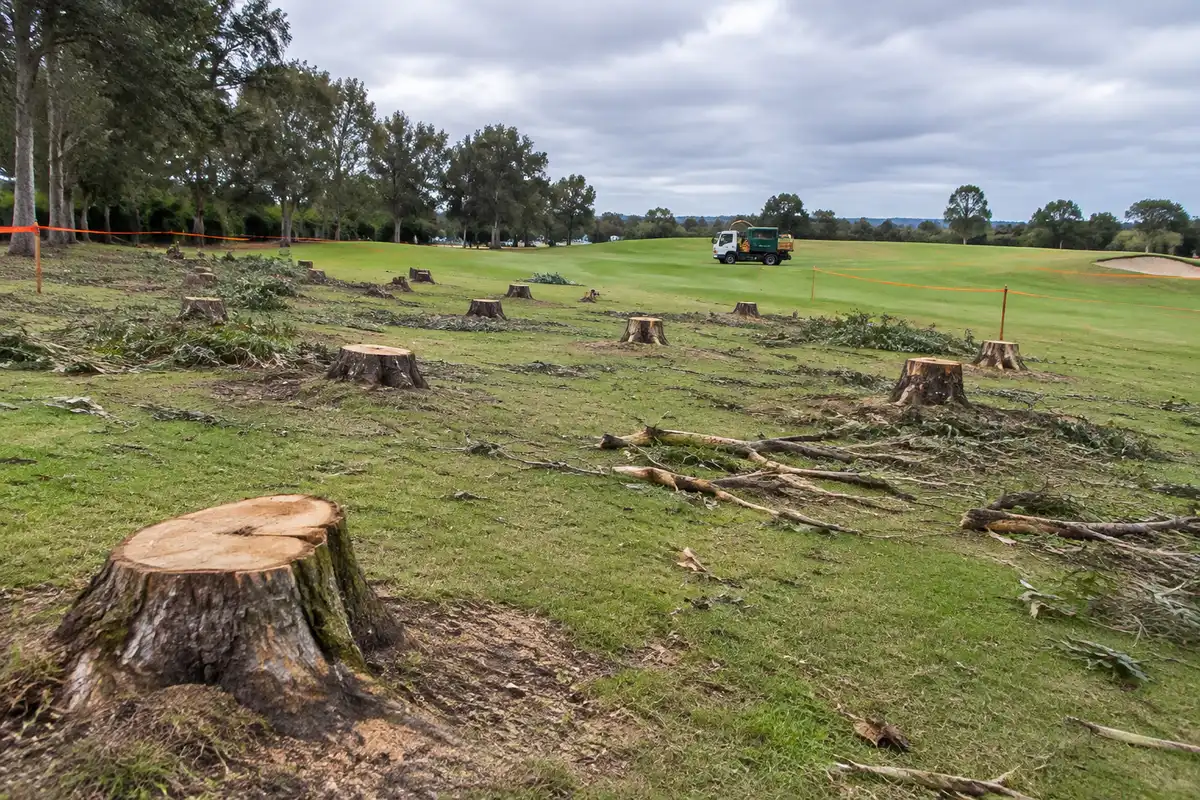
The trade-off is significant. Conservancies pay landowners for a portion of the overall land value, and selling development rights yields less revenue than outright sale. Boyer’s decision was motivated not by financial return but by a desire to prevent his land from being subdivided into smaller parcels “to make a quick buck,” as he put it. Once acres convert to houses or commercial use, they rarely return to farming. “Then suddenly a productive farm field or ground is gone, and it’s gone for generations,” Boyer said. “It’s gone forever.”
The challenge facing Michigan farmers extends beyond individual preservation choices. About 39% of the state’s agricultural land is leased rather than owned by farmers, according to the 2022 USDA census. Rebecca Carlson, a fourth-generation cherry and apple grower near Northport, has expanded her operation by leasing parcels from aging multi-generational farmers who lack younger family members to take over. Carlson said land division among multiple heirs “breaks up multi-generational farms” and fragments what could be economically viable operations.
As farmland values climb and younger generations exit farming, Michigan farmers face competing pressures. Rising land costs make it harder to expand through purchase. Climate change brings more extreme precipitation, crop disease, and temperature swings to northern Michigan. Renewable energy developers are also seeking long-term leases for solar and wind installations, offering landowners revenue alternatives to farming. In Wexford County this year, early plans for solar panels on nearly 1,500 acres sparked local opposition, though solar currently covers only 0.09% of Michigan’s USDA prime farmland.
For Boyer and others choosing conservation easements, the tool offers a way to lock in agricultural use for generations while capturing some financial value. The Little Traverse Conservancy sees growing interest in the approach among small farming communities, though the decision remains difficult for farmers accustomed to viewing land as their primary retirement asset.
Sources
- Interlochen Public Radio — John Boyer’s conservation easement, 131 acres, East Jordan location, Little Traverse Conservancy details, Michigan farmland acreage decline 2017-2022, farmland values $6,800 per acre up 7.8%, 39% of Michigan agricultural land leased, conservancy holdings of 30,000 acres with 6,000 in farmland, Joe Graham quotes
- Bridge Michigan — Same reporting as IPR; corroborated farmland acreage, valuation data, and conservation easement mechanism
- US Department of Agriculture — 2022 farm census data on Michigan acreage decline (9.8 to 9.5 million acres), farmland ownership loss (208,000 acres, 3.6%), leased land percentage (39%), farmland valuation ($6,800 per acre, 7.8% increase)
- Little Traverse Conservancy — Conservation easement mechanism and benefits, permanent voluntary legal agreement, development rights sale, land retention by owner