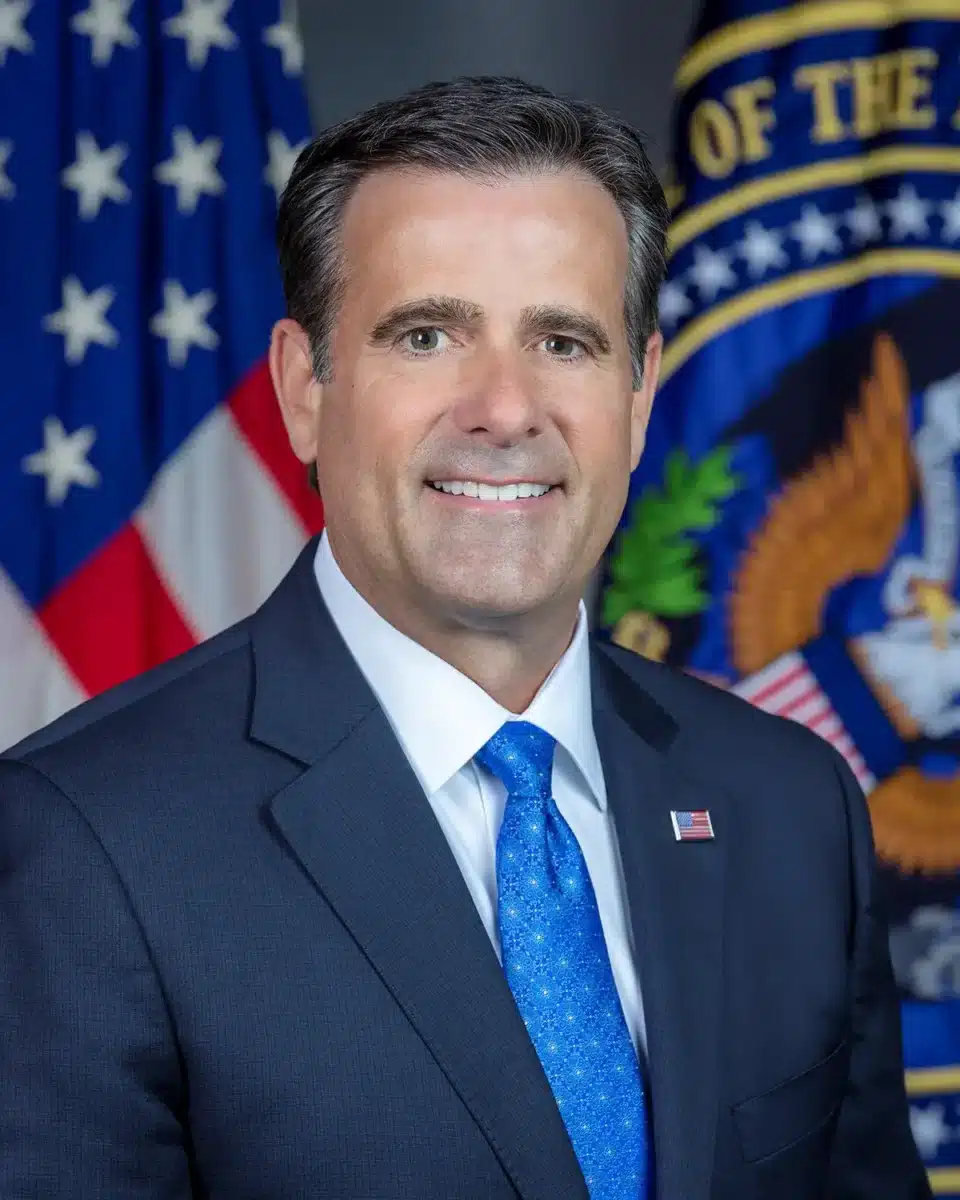
CIA Director John Ratcliffe traveled to Moscow on August 25, 2026, in an unannounced visit to warn Russian officials against attacking NATO member states, according to multiple people briefed on the mission. The rare trip marked the first visit by a serving CIA director to the Russian capital since William Burns traveled there in November 2021, when he delivered a similar warning before Russia’s invasion of Ukraine.
Ratcliffe met with senior Russian intelligence officials, including the head of Russia’s Foreign Intelligence Service, Sergey Naryshkin. The CIA director reinforced that the U.S. remains committed to NATO’s Article Five mutual defense clause, which obligates member nations to treat an attack on one as an attack on all.

Ratcliffe conveyed multiple messages during the visit. He told Russian officials that Washington wanted Moscow to stop sharing weapons and defense technology with Iran, a strategic concern as Russia has supplied Tehran with advanced capabilities used to target U.S. military forces in the Persian Gulf. He also warned of additional sanctions if the Strait of Hormuz does not reopen to shipping traffic.
The visit carried a secondary purpose: determining whether Russia’s intelligence leadership could help convince President Vladimir Putin to move toward a peace deal with Ukraine. Ratcliffe reportedly delivered a bleak assessment of Russia’s war in Ukraine to the intelligence officials, suggesting the conflict had become unsustainable for Moscow.
Precedent and Context
When CIA Director William Burns visited Moscow in November 2021, he warned Russian officials against sending troops into Ukraine. Russia invaded three months later in February 2022. Burns’ mission was seen as a final diplomatic effort to convey U.S. intelligence about Russian military preparations and the seriousness of potential consequences.
Ratcliffe’s 2026 visit carries similar weight but in a different context: the war in Ukraine is already underway, and the focus has shifted to preventing escalation toward NATO territory. The Trump administration has emphasized diplomatic engagement, with Trump himself downplaying concerns about Russian aggression. “He’s not going to attack a NATO territory,” Trump said of Putin when asked about Ratcliffe’s mission, calling the visit “semi-routine.”
Intelligence officials and analysts have noted that the Kremlin views the Trump administration as potentially divided on NATO’s future, creating uncertainty among Eastern European allies. Ratcliffe’s visit, by contrast, was designed to send a clear, high-level signal that the U.S. commitment to NATO’s collective defense remains firm—even as the administration pursues diplomatic channels with Russia.
Sources
- Wall Street Journal — confirmed Ratcliffe’s Moscow trip and NATO warning message
- Politico — reported Ratcliffe’s messages regarding Iran weapons-sharing and NATO escalation concerns
- CNN — detailed the warning to Russia against NATO attacks and the diplomatic context
- CNBC — confirmed the visit’s purpose and Ratcliffe’s Iran-related warnings
- New York Times — reported on Ratcliffe’s bleak assessment of Russia’s Ukraine war and peace deal discussions
- Reuters — covered Trump’s statement downplaying the NATO threat
- RFE/RL — provided precedent context on William Burns’ November 2021 Moscow visit
- Council on Foreign Relations — analyzed the strategic implications of Russia’s weapons-sharing with Iran