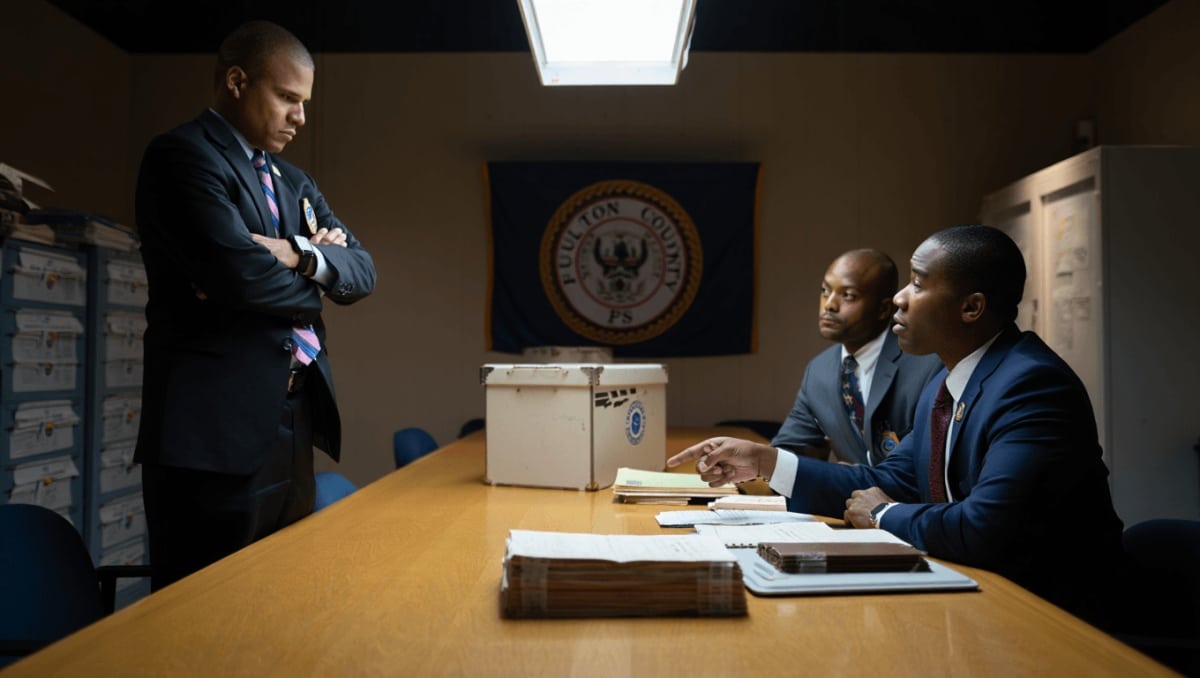
The federal government has opened a review into the handling of ballots in Fulton County, Georgia, renewing scrutiny of local election procedures and raising questions about the security of mail-in and absentee ballots. The development comes as officials and voting-rights advocates weigh what the inquiry could mean for trust in administration ahead of upcoming elections.
Details remain limited, but the inquiry centers on how ballots were stored, transferred and accounted for — issues that can affect both the integrity of local results and broader public confidence. Federal involvement does not automatically signal criminal charges; investigators often begin with fact-finding to determine whether laws were broken.
What investigators are likely looking at
When the Justice Department examines ballot handling, common areas of focus include chain-of-custody, custody logs, employee interviews and whether proper protocols were followed during processing and transport.
- Chain of custody: Did ballots move between locations with clear documentation and secure custody?
- Record-keeping: Are intake sheets, barcode scans or surveillance records complete and consistent?
- Procedural compliance: Were local and state rules governing counting and storage observed?
- Potential civil or criminal issues: Is there evidence suggesting intent to obstruct or to tamper, or do gaps point to administration failures?
Local officials in Fulton County have previously emphasized their commitment to secure elections; any federal review will examine whether that public assurance matches operational practice. County election staff typically respond to probes by providing documents and facilitating interviews, and state election authorities may also be engaged.
Why this matters now
Federal attention to ballot custody has immediate and long-term consequences. In the short term, it can divert local election resources and amplify partisan tensions. Over time, findings could prompt policy changes — from new storage rules to revised audit procedures — across jurisdictions that use similar systems.
For voters, the stakes are plain: confidence in election outcomes depends not only on the count but on transparent, verifiable processes. Even procedural lapses that do not amount to criminality can fuel skepticism and legal challenges in tight races.
What to watch next
- Whether the Justice Department issues subpoenas or limits its review to voluntary document requests.
- Statements from Fulton County election officials and the Georgia secretary of state clarifying protocols and any corrective steps.
- Public release of audit results or internal reviews that could either allay concerns or reveal systemic weaknesses.
- Possible referrals: a civil-rights determination or a referral to prosecutors if evidence of wrongdoing emerges.
Investigations of this kind often proceed in stages: an initial review, interviews and records gathering, followed by analysis and potential next steps. That process can take weeks or months depending on the volume of material and the level of cooperation between agencies.
For readers trying to understand the practical impact: if the review finds only administrative errors, remedies are likely to be procedural fixes and new safeguards. If investigators uncover evidence of deliberate misconduct, however, the matter could move into criminal or civil litigation — with implications for election law enforcement and local administrators.
Officials in Fulton County and at the federal level have not yet released a comprehensive timeline for the inquiry. Journalists will continue to track official filings, public statements and any court activity to clarify scope and outcomes.