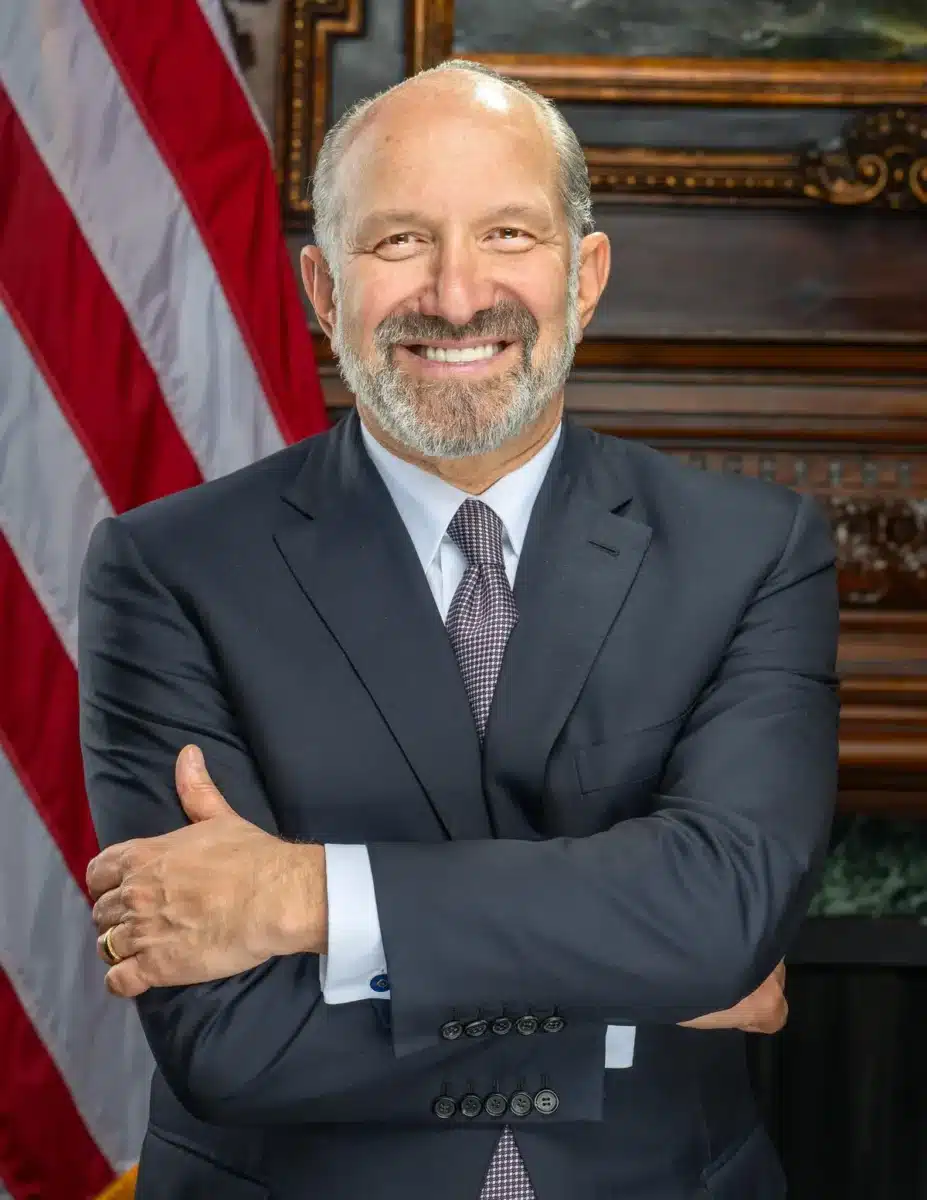
U.S. Commerce Secretary Howard Lutnick said Canada “blew up” a trade deal “for political reasons only” on Wednesday, accusing Prime Minister Mark Carney of abandoning negotiations to gain leverage ahead of key elections. Speaking on CNBC on September 2, Lutnick claimed that Canadian negotiators deliberately scuttled talks that had been largely completed, timing the collapse to undercut sovereigntist momentum in Quebec and an independence movement in Alberta.
Lutnick told reporters that on Friday at 4 p.m., just hours before the tariff deadline, Canadian officials started “adding crazy ideas to the mix.” When he asked a Canadian minister if they were “actually trying to blow this up,” Lutnick said the response was, “I’m not allowed to say that.” He concluded: “They blew it up for political reasons only.”

The trade talks collapsed on Friday, August 23, triggering 50 percent tariffs on roughly $20 billion CAD in Canadian goods, including wine, alcohol, and other products. The breakdown came after two weeks of negotiations aimed at avoiding tit-for-tat tariffs and reducing existing U.S. levies on key Canadian sectors like steel and aluminum.
Canada’s account of the collapse differs sharply. Prime Minister Carney said the U.S. added a series of last-minute unacceptable conditions to the draft deal, including language on auto industry tariffs—particularly a failure to reduce tariffs on heavy-duty trucks produced in Southern Ontario. He also cited “efforts to restrict our protections of our language, our culture, and in effect, our sovereignty.”
U.S. Trade Representative Jameson Greer countered that Canada ultimately wanted more than the administration was willing to give. The proposed agreement would have halved U.S. tariffs on Canadian steel and aluminum, reduced tariffs on Canadian autos, and provided relief on Canadian softwood lumber—terms Greer described as the best market access offered to any country in the world. “They wanted more,” Greer said, suggesting political motives related to federal by-elections held on August 31, which the Liberals won.
Lutnick’s accusation centers on Quebec’s provincial election scheduled for October 5 and Alberta’s independence referendum. He claimed that Canadian negotiators would resume talks once these political events conclude. “If you think I ever said the words French—do I care about how the Québécois speak? I mean, what could matter less to America?” Lutnick said, dismissing Canada’s stated concerns about French-language protections.
However, both sides have since softened their public positions. Greer said Wednesday that French-language content discoverability on American streaming platforms was never a red line for U.S. negotiators. Canada-U.S. Trade Minister Dominic LeBlanc responded positively, saying “Canada welcomes that the U.S. is now withdrawing its positions on discoverability and labelling.” Analysts noted that the removal of these stated obstacles suggests the remaining barriers are chiefly political rather than substantive.
Before the talks collapsed, roughly 85 percent of Canadian exports entered the United States tariff-free, with an effective average tariff just above 5 percent. The proposed deal would have cut steel and aluminum tariffs from 50 to 25 percent and reduced the headline automotive tariff from 25 to 15 percent, while suspending threatened 50-percent tariffs on approximately $28 billion CAD in additional Canadian exports.
Prime Minister Carney denied that Ontario Premier Doug Ford influenced the decision to walk away. “The decisions on trade are the decisions of the government of Canada. I’m the prime minister. Ultimately, I am responsible with the Cabinet for those decisions,” Carney said Tuesday. He indicated that “an accumulation of issues, each of them serious enough,” led to the breakdown, but stopped short of detailing which specific demands proved unacceptable.
Sources
- National Post — Lutnick’s statement that a Canadian minister did not deny trying to “blow up” negotiations, and details of the minister’s response; Greer’s comments on Canada’s demands and the August 31 by-elections; Carney’s denial of Ford’s involvement.
- The Hub — Lutnick’s remarks about Quebec’s election and Alberta’s referendum; details of the proposed tariff reductions; both sides’ softening positions on French-language protections; analyst commentary that remaining obstacles are political rather than substantive.
- BNN Bloomberg — Lutnick’s statement on CNBC that Canada “blew up” trade talks for political reasons with upcoming votes in Quebec and Alberta.
- CBC News — Canadian negotiators’ account of last-minute American demands; LeBlanc’s statement welcoming U.S. withdrawal of positions on discoverability and labeling.