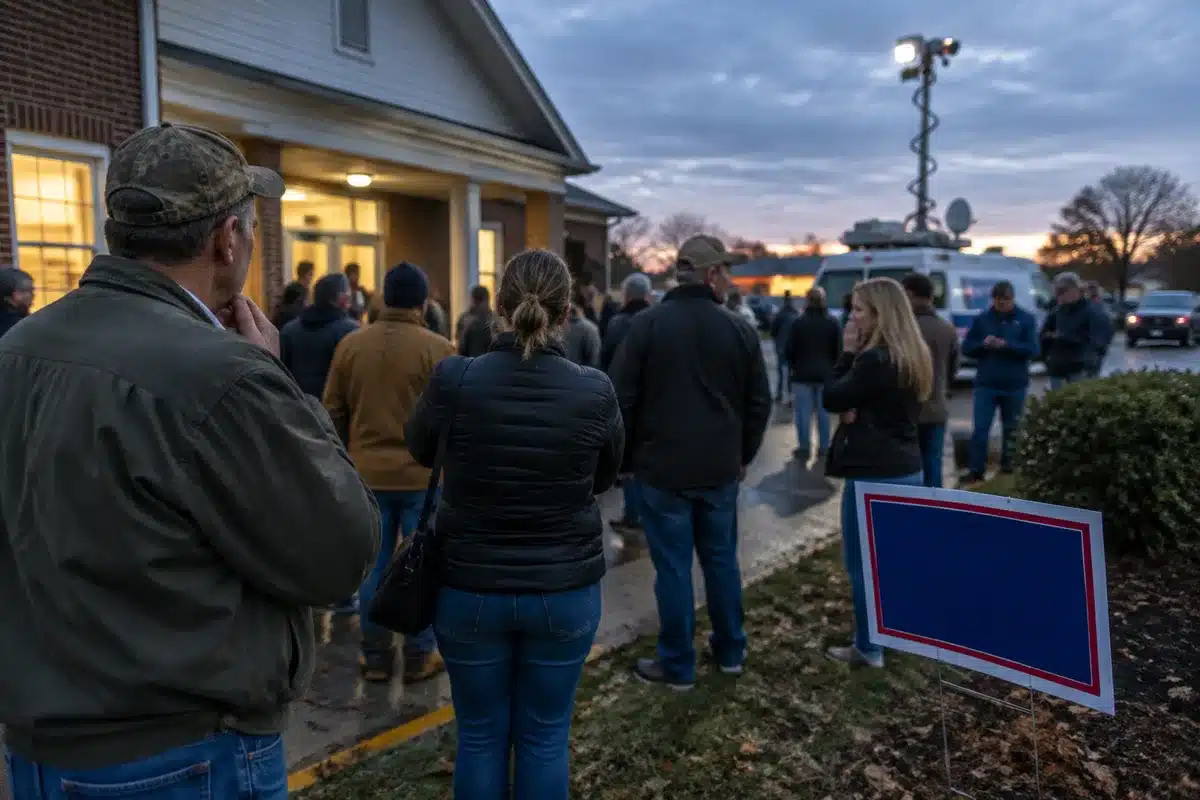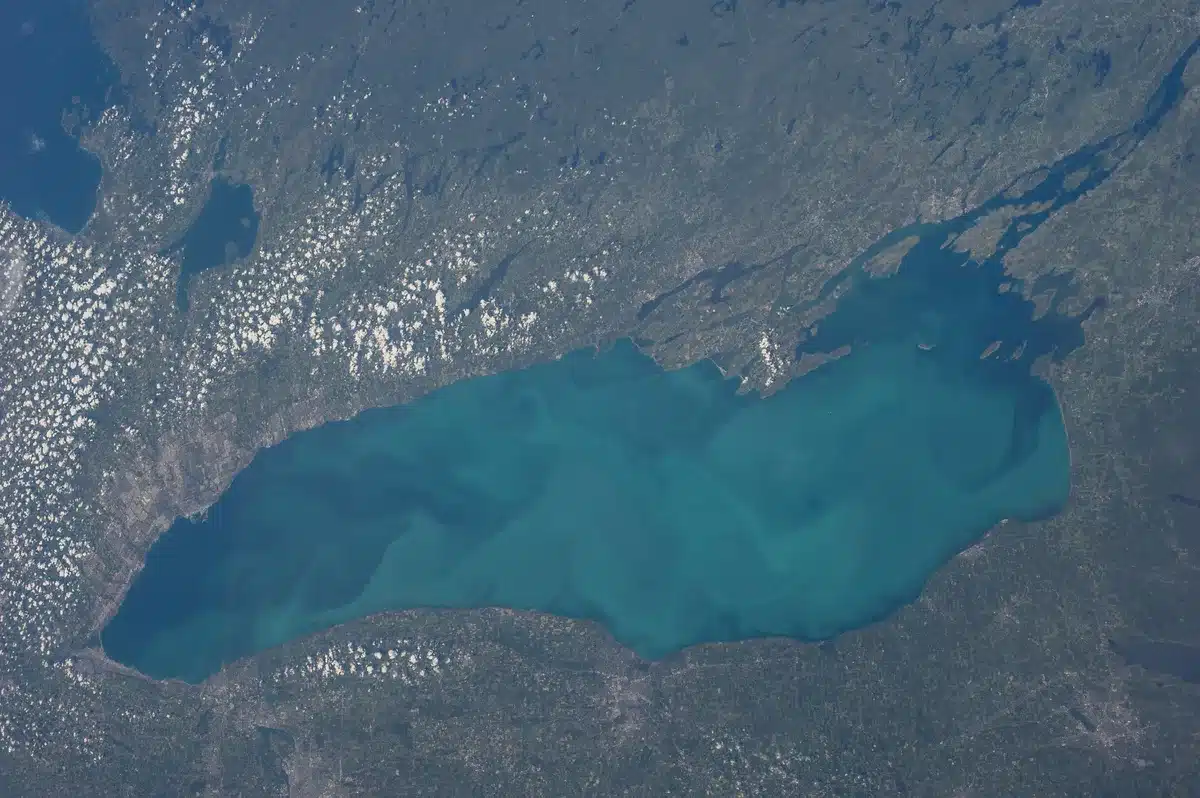
Mayors in Trump-voting towns along Lake Ontario are pushing back against President Trump’s executive order to rename the lake to Lake America, citing concerns about local identity, Indigenous heritage, and the region’s economy tied to Canada.
Trump signed the executive order on August 27, directing the federal government to rename the lake “effective immediately” as part of an escalating trade war with Canada. The order prompted swift rejection from local leaders who depend on the lake’s historical name for their communities’ identity and commerce.
Robert Corradino, the Republican mayor of Oswego, New York, said he previously voted for Trump but now worries the rename threatens his city’s history. “The water is part of our identity,” Corradino said in an interview. “Not only our identity, but the economy and the history of the lake is tied to the city.” Oswego, a city of 17,000 on the southeastern shore, is the only commercial port city on Lake Ontario’s U.S. side, with streets, the convention center, and the historic fort all bearing the lake’s name. Though Oswego itself is split between Democrats and Republicans, Oswego County is heavily Republican—61 percent of voters supported Trump in 2024.
On Monday, August 31, Oswego County legislators from both parties approved a resolution rejecting the new name. The resolution cited concerns about the cost of rebranding on taxpayers and businesses, while affirming respect for the federal government’s authority.
Pat Nolan, the Republican mayor of Sodus Point, New York, emphasized the Indigenous roots of the lake’s name. “Ontario” derives from an Iroquoian word meaning “beautiful lake” or “sparkling water,” a name that has been used for centuries. Sodus Point, a village of 1,000 in Wayne County—where Trump received 61 percent of the vote in 2024—also rejected the rename. “My hope is that, rather than allowing this decision to become another wedge that further divides people,” Nolan wrote, “it can encourage a broader discussion about the history of this great body of water, the Indigenous people who first gave it its name and the generations of communities that have grown along its shores.”
Alex Morgia, the Democratic mayor of Sackets Harbor, New York, expressed concern about the effect on U.S.-Canada relations. Sackets Harbor, located along the eastern shore with a population of 1,400, is home to Canadian residents and has hosted the Can-Am festival since 1971 to celebrate Canadian-American heritage. Jefferson County, which encompasses Sackets Harbor, also overwhelmingly supported Trump in 2024 with 61 percent of the vote. “Having good relationships with your international neighbors is important, particularly for people that live along the border on either side,” Morgia said.
The pushback extends beyond the mayors. New York Governor Kathy Hochul, a Democrat, said the state would not use the new name. Rochester’s city council signed a proclamation to continue using Lake Ontario in all official capacities. Mapping services have shown mixed responses: Google Maps and Apple Maps switched to “Lake America” for U.S. users on August 30, while MapQuest refused to change the name and saw its app surge to number one in app stores.
A Pattern of Geographic Renaming
Trump’s Lake America order follows a pattern of geographic renamings initiated during his administration. In January 2025, Trump signed an executive order to rename Alaska’s Denali back to Mount McKinley and to rename the Gulf of Mexico to the Gulf of America. Those orders also faced local opposition and pushback from Indigenous groups and state officials who argued the existing names held historical and cultural significance.
The Denali rename drew criticism from Alaska lawmakers and Indigenous communities who viewed the name as honoring the region’s Indigenous heritage. Similarly, the Gulf of America rename faced resistance from Gulf Coast states and environmental advocates. Like the Lake America order, both geographic renamings were implemented through executive action, with federal mapping services eventually updating their displays for U.S. users while maintaining the original names for international users or in other contexts.
Sources
- Politico — reporting on mayors’ rejection of Lake America rename, statements from Corradino, Morgia, and Nolan, Oswego County resolution details, and context on Trump-voting areas opposing the order
- AP News — confirmation of Trump’s August 27 executive order to rename Lake Ontario to Lake America
- BBC News — reporting on Trump’s executive order signed August 28 to rename Lake Ontario
- The Hill — reporting on majority American opposition to the Lake America rename and Canadian response
- Reuters/Ipsos Poll (via Fox News) — 63% of Americans opposed renaming Lake Ontario to Lake America, with only 14% in favor
- NBC News — reporting on Trump’s January 2025 order to rename Denali to Mount McKinley
- The Guardian — reporting on Trump’s January 2025 executive orders to rename the Gulf of Mexico to Gulf of America and Denali to Mount McKinley
- Center for Great Lakes Literacy — etymology of Lake Ontario’s name from Iroquoian word meaning “beautiful lake” or “sparkling water”