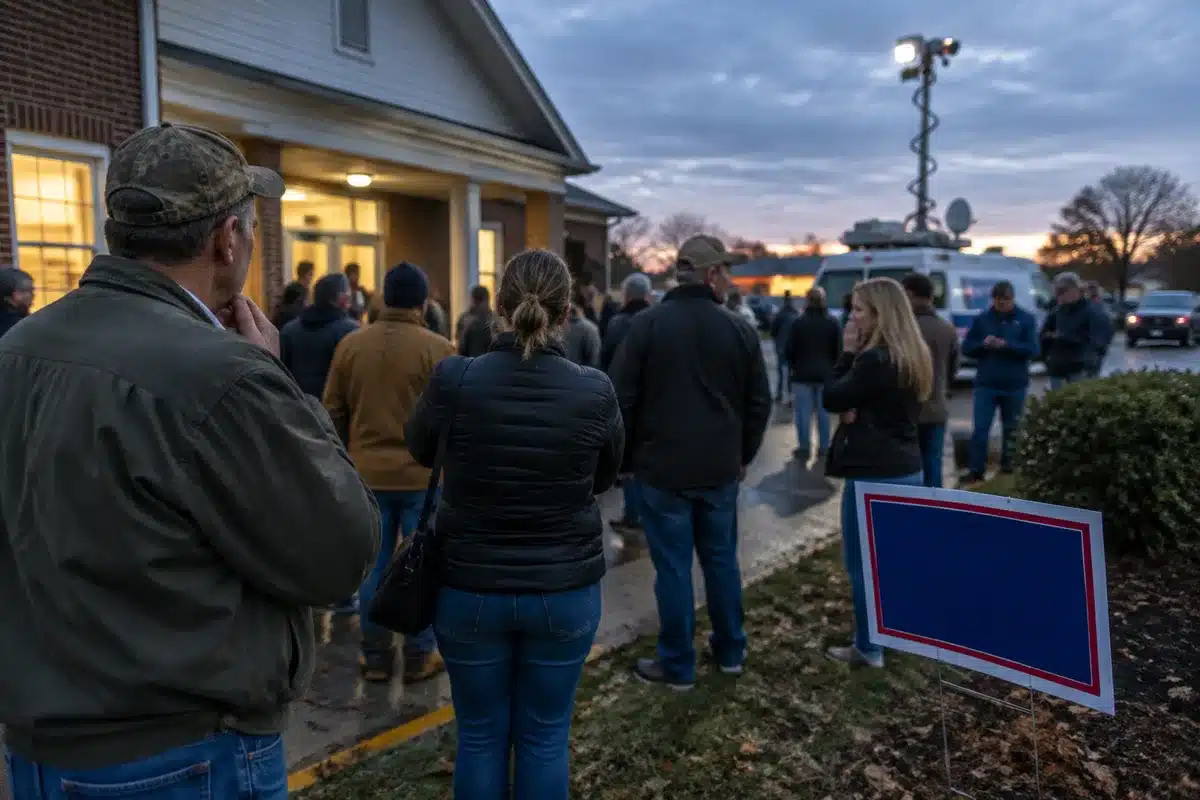
The Department of Homeland Security is launching a “coordinated criminal voter fraud surge initiative” across nine states ahead of the November 2026 midterms, focusing on investigating noncitizens who may have illegally voted or registered to vote, according to internal federal guidance reviewed by CNN on August 31.
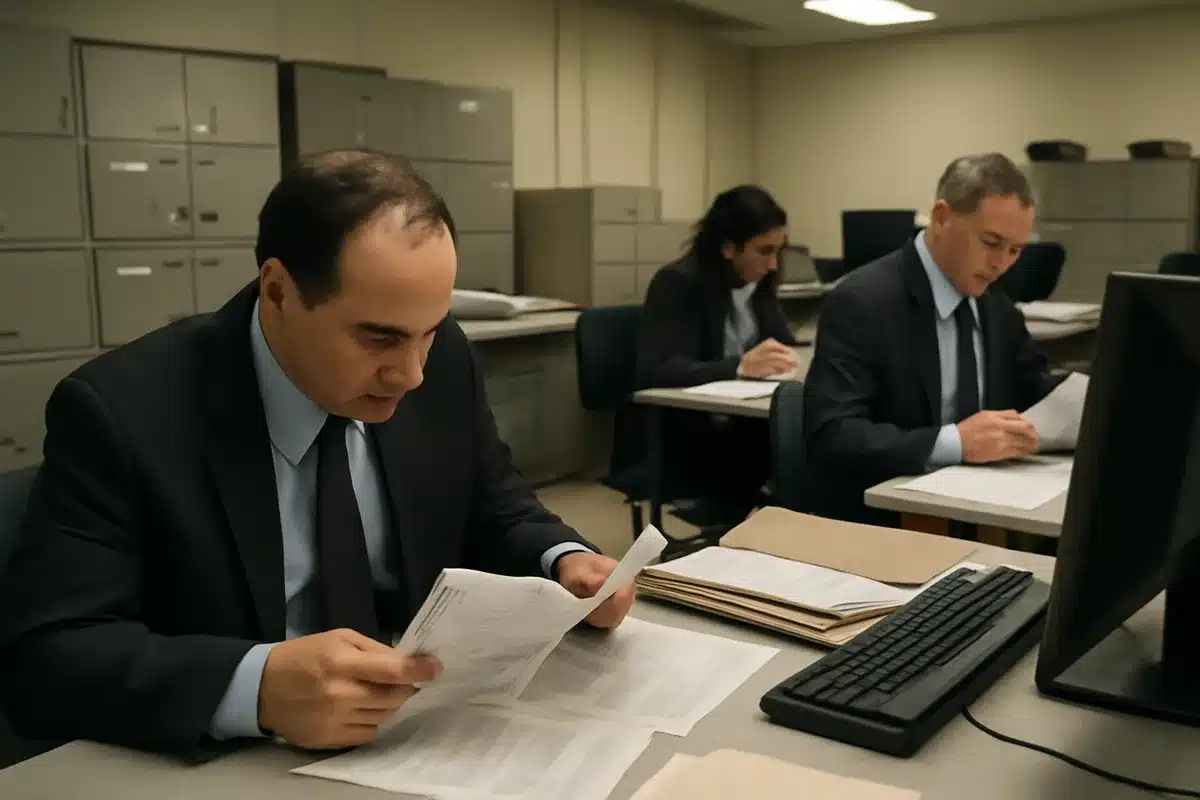
Homeland Security Investigations, an arm of Immigration and Customs Enforcement, will deploy agents to Washington, Wisconsin, Missouri, Georgia, California, Pennsylvania, Nevada, New York, and Connecticut from early September through mid-October, according to the guidance. Agents will pursue investigative leads, conduct field interviews, and support prosecutorial review in what marks an unprecedented surge of resources toward election fraud investigations.
The timing is notable: such investigative actions during an election period have historically been discouraged under long-standing Justice Department policy meant to avoid chilling legitimate voting and campaign activities. The DOJ formally rescinded the policy under the first Trump administration but mostly abided by it under President Joe Biden. DHS, as a separate department, is not obligated to follow the policy, and the new guidance makes no reference to timing concerns.
DHS Secretary Markwayne Mullin has positioned himself as a leading enforcer of the Trump administration’s voter-fraud crackdown. Earlier this summer, his department announced an audit of public voter rolls had identified more than 250,000 registered noncitizens in just four states: California, Pennsylvania, New Jersey, and Nevada.

However, the numbers have proved far less definitive than initially suggested. The department publicly claimed it had found nearly 16,000 noncitizens on Nevada’s voter rolls, but behind closed doors acknowledged to the state’s top election officials that it had “confirmed” just 185 of them, according to internal records reviewed by CNN. Another 6,200 were labeled “higher confidence matches” but still required further vetting, illustrating the gap between public claims and verified findings.
Verification Challenges and Program Flaws
The investigations rely heavily on the SAVE program—the Systematic Alien Verification for Entitlements tool—which DHS expanded in 2025 to conduct bulk searches of voter rolls. The Brennan Center for Justice has documented significant flaws in the program’s reliability.
Large-scale data matching consistently produces false positives. When DHS ran 49.5 million voter files through the SAVE program, it identified around 10,000 registrants as potential noncitizens—a rate of 0.02 percent. Peer-reviewed research suggests acceptable false-positive error rates for large data reconciliation range between 0.9 and 2.5 percent, meaning that at this scale, at least 10,000 false matches would be expected from a low error rate alone.
Real-world examples underscore the risk. In St. Louis County, Missouri, around 35 percent of registered voters identified as noncitizens by the SAVE program were actually naturalized U.S. citizens who registered to vote at their naturalization ceremonies, according to the county’s Republican election director. In Boone County, Missouri, more than half of voters flagged by SAVE as noncitizens turned out to be U.S. citizens. One election official called the expanded SAVE program “not ready for prime time.”
The program also pulls from error-prone datasets, including U.S. Customs and Border Protection systems and the FBI terrorism watchlist, which contains unreliable information and permits intentional biases against certain religious and racial minorities. Social Security Administration data, now accessible through SAVE, often lacks up-to-date citizenship information for naturalized citizens if they did not notify the agency of their naturalization.
Despite the dramatic shift of resources toward investigating election fraud, the Trump administration has brought only a handful of prosecutions, mostly targeting noncitizens voting or being unlawfully registered. Experts say there is no evidence that widespread voter fraud has occurred in recent elections. When Louisiana reviewed its voter records going back four decades, it identified only 79 potential noncitizens who voted out of an estimated 74 million ballots cast during that period. The state’s Republican secretary of state declared that “non-citizens illegally registering or voting is not a systemic problem in Louisiana.”
Under the Trump administration, agents have been assigned to investigate whether naturalized U.S. citizens registered or voted before becoming citizens. Another directive instructs HSI agents to coordinate with U.S. Citizenship and Immigration Services to begin removal proceedings when a noncitizen is suspected of or linked to voter fraud, expanding the scope beyond election crimes to immigration enforcement.
A Texas audit flagged over 1.2 million voter registrations on a suspense list, while an Ohio court blocked a voter citizenship requirement, illustrating the broader tension between election security efforts and ballot access concerns ahead of the midterms.
Sources
- CNN — internal federal guidance on DHS voter fraud surge initiative, state-by-state deployment, Nevada verification discrepancies, and investigative scope
- Brennan Center for Justice — SAVE program error rates, false-positive analysis, data source flaws, and real-world verification failures in Missouri and Texas
- Louisiana Secretary of State — voter review findings and noncitizen voting prevalence