
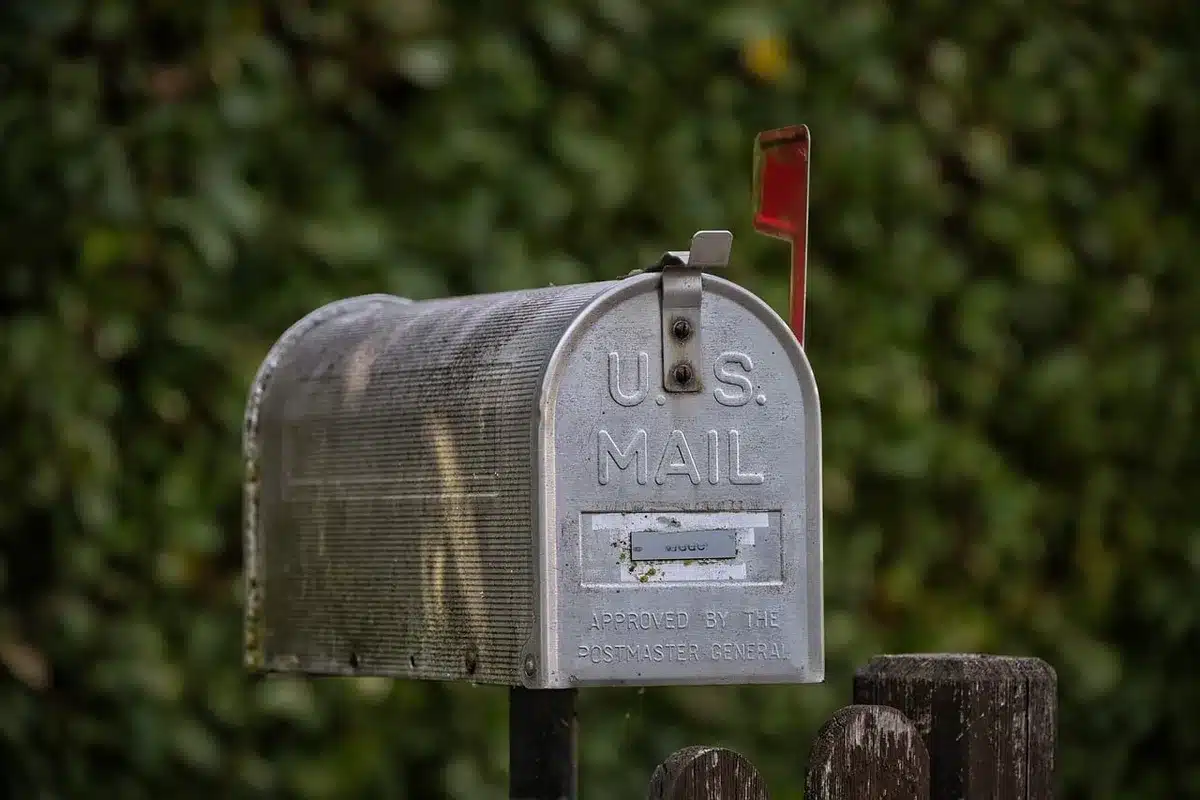
A U.S. Postal Service whistleblower has warned that Trump’s postal voting rule faces mounting obstacles as the agency rushes to implement a system that could prevent millions of Americans from receiving mail ballots before November’s midterm elections.
The anonymous whistleblower, whose complaint was released Tuesday by Sen. Richard Blumenthal’s office, described the Postal Service’s work on the mail ballot system as “secretive, rushed, chaotic, and fundamentally flawed.” According to the 20-page complaint, USPS built the system in weeks rather than the nine months to a year typically required for a project of this complexity.
Trump signed an executive order in March 2026 directing the Postal Service to establish new restrictions on mail voting. The order requires states to submit lists of all voters eligible to receive mail ballots to USPS 60 days before an election, and mandates that ballots use new envelope designs with unique barcodes that USPS would verify before delivery. If states do not comply or if the system detects errors, USPS would refuse to deliver ballots, potentially disenfranchising millions of voters.
The whistleblower alleged that USPS violated multiple court orders to advance the rule. According to the complaint, USPS initially halted work on the system after U.S. District Judge Indira Talwani issued an injunction in June blocking implementation. However, the whistleblower said USPS resumed work around July 29—over a month after Talwani’s order—even as Postmaster General David Steiner publicly stated the agency was complying with the court’s directive.
Judge Talwani confirmed the violation in an August 25 ruling, writing: “Despite the Defendants’ protestations that ‘[t]he United States takes its obligation to comply with court orders very seriously,’ the court finds that Defendants violated the preliminary injunction in this case.” She declined to impose immediate sanctions but kept the temporary restraining order in place.

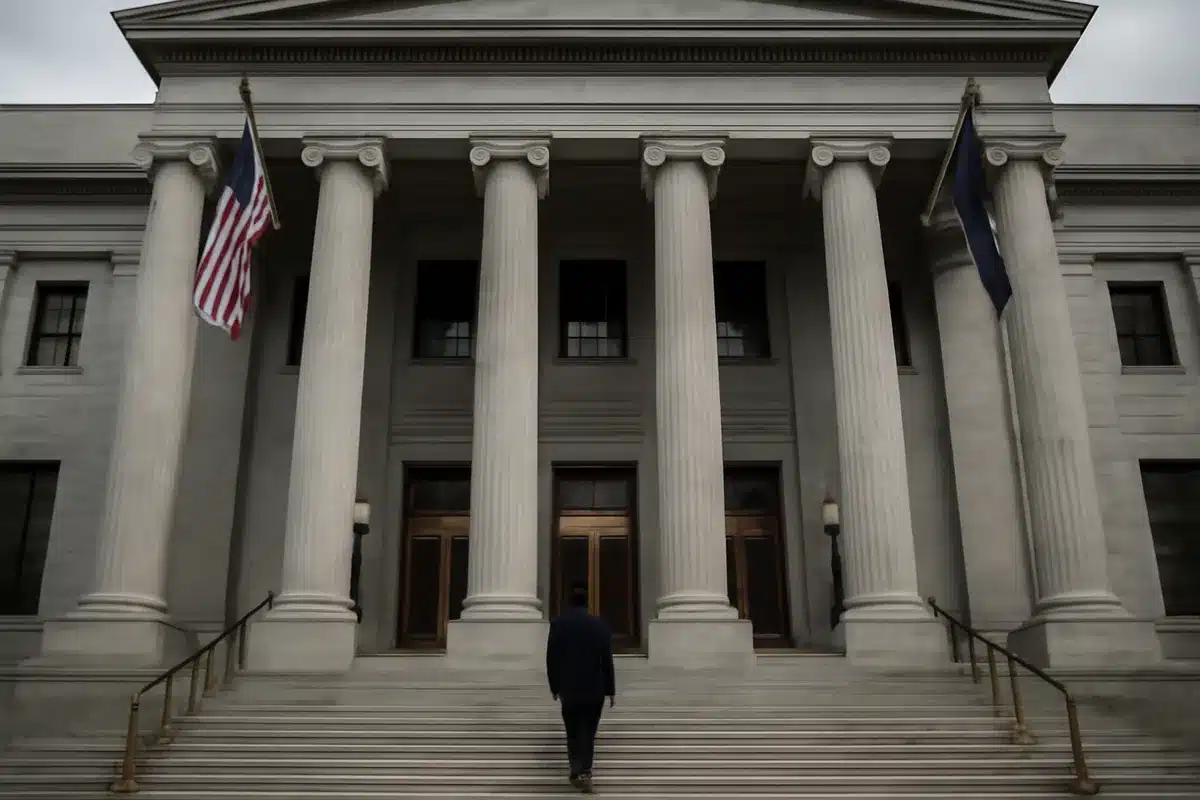
The legal obstacles to Trump’s postal voting rule have mounted since the order was issued. A federal court blocked USPS from implementing the rule in August, finding the order likely unconstitutional because the Constitution grants states and Congress—not the president—authority over election administration. The Brennan Center for Justice reported in April 2026 that both Trump’s 2025 and 2026 orders lack legal authority because “the president lacks any authority to run elections.”
The Supreme Court partially lifted one block on August 24, allowing some implementation to proceed, but multiple federal judges have since imposed new temporary restraining orders. A coalition of 24 states and Washington, D.C. have sued to block the rule, and states remain in a state of uncertainty about whether they must comply.
The whistleblower’s greatest concern is the system’s potential to reject thousands of ballots due to technical errors. Under the plan, if USPS’s system detects a single barcode error in a batch of mail ballots during random sampling, it would reject the entire batch—potentially thousands of ballots—and return them to the state. The whistleblower warned this could lead to “catastrophic failure” and prevent millions of Americans from voting by mail in November.
Postal Service officials have described the system development as “a shit show,” according to the whistleblower complaint, and the process “deviates dangerously” from normal practices. The complaint noted that USPS leadership “has discarded all best practices” to meet an internal September 1 implementation deadline.
Sen. Blumenthal called the administration’s actions “designed malfunction” aimed at suppressing voter participation. “This is not just incompetence, it is designed malfunction,” he said. “And it is malign, designed malfunction in a way that clearly reveals a political purpose: depressing the vote.”
The whistleblower’s allegations could strengthen ongoing legal challenges to the rule. In a Washington, D.C. lawsuit, a federal judge ordered the Department of Justice to notify the court of any “material factual developments,” but the DOJ did not disclose that USPS had resumed implementing the order in late July. The DOJ has asked the 1st Circuit Court of Appeals to stay Judge Talwani’s temporary restraining order, a rarely granted form of relief that would allow the rule to move forward despite the court block.
Sources
- Axios — USPS whistleblower warns of rushed ballot system, court order defiance, and potential rejection of thousands of ballots
- Votebeat — Whistleblower complaint details rushed, chaotic system development and describes postal officials’ concerns
- Democracy Docket — Whistleblower allegations of USPS violating court orders and resuming work in July despite Talwani’s injunction
- ACLU — Federal court blocks USPS from implementing executive order restricting mail voting
- PBS NewsHour — Federal judge halts implementation of Trump’s mail ballot executive order
- Brennan Center for Justice — Analysis of executive orders finding president lacks authority over elections










