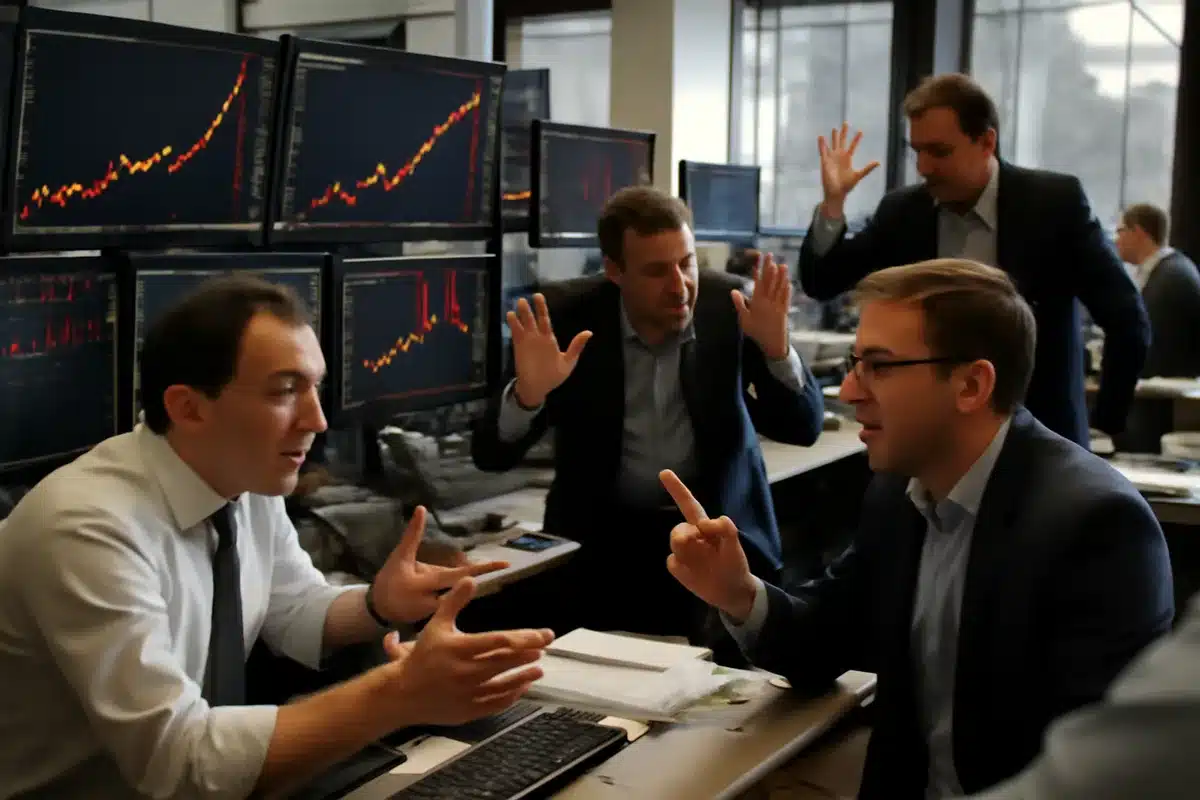
The 10-year Treasury yield surged to 4.79% on Tuesday, marking its highest level since January 2025 after rising for a fifth consecutive session, as markets grapple with inflation concerns and shifting expectations for Federal Reserve policy.
The climb reflects multiple converging pressures on the bond market. Fed Chair Kevin Warsh’s Jackson Hole speech on Friday signaled that the central bank still has “work to do” to bring inflation under control, with his remarks triggering a sharp repricing of rate-hike expectations. Markets are now pricing in approximately a 68% probability of a 25-basis-point rate increase in September, up sharply from around 40% before Warsh spoke.
Rising oil prices are adding urgency to inflation concerns. After U.S. military action in the Strait of Hormuz, Iran responded with attacks on the UAE and Jordan, sending crude higher and reinforcing expectations that energy costs will persist as a headwind for price stability. Warsh reiterated the Fed’s “firm, fixed target” of 2% inflation, noting that the central bank’s preferred gauge—core PCE—stood at 3.3%, well above that goal.

Structural fiscal pressures are also at work. According to reporting from Axios, yields on U.S. government bonds continue to climb “thanks to groaning federal deficits, bonkers corporate borrowing.” Federal debt held by the public has reached $32 trillion as of July 2026—roughly the size of the entire U.S. economy—creating what economists describe as a crowding-out effect that pushes investors to demand higher returns on Treasury securities.
The yield surge has immediate consequences for borrowing costs across the economy. Mortgage rates have climbed to 6.64%, making home purchases less affordable for potential buyers. Treasury Secretary Bessent attempted to stabilize markets last month by doubling the size of the Treasury Department’s bond buyback program, but the 30-year yield has climbed back to 5.28%, nearly erasing those gains.
Mohamed El-Erian, a prominent economist and market observer, has flagged that Treasury yields signal a structural shift making America more vulnerable to fiscal pressures. The combination of persistent inflation, elevated debt, and shifting Fed policy creates what he describes as a meaningful inflection point for long-term borrowing costs.
The bond market remains uncertain about the Fed’s next move. The central bank held rates steady at both its June and July meetings, leaving the federal funds rate unchanged. Yet Warsh’s language—emphasizing that inflation has not fallen to the Fed’s target and that policy may need to tighten—has shifted trader positioning dramatically in just four days.
Sources
- Trading Economics — 10-year Treasury yield at 4.79% after five consecutive sessions of gains, highest since January 2025; Fed rate-hike expectations and oil-price inflation drivers
- CNBC — Fed Chair Warsh’s Jackson Hole speech signaling possible rate hike; 2-year yield jump; core PCE inflation at 3.3%
- Axios — Federal deficits and corporate borrowing as drivers of rising Treasury yields
- Bipartisan Policy Center — Federal debt held by public at $32 trillion as of July 2026
- Wall Street Journal — Treasury yields rising after Warsh’s Jackson Hole remarks; 2-year yield largest single-day gain following a Fed chair speech
- Washington Post — Treasury Secretary Bessent’s bond buyback program doubling and its market impact