Mohamed El-Erian, Allianz Chief Economic Advisor, warned on August 22 that the 30-year Treasury yield at 5.27 percent signals a structural shift that will make America more expensive to operate. The yield has surged from 1.7 percent, marking the highest level since 2007.
The sharp rise in Treasury yields reflects a fundamental repricing of the bond market, driven by investor concerns over inflation and the U.S. government’s mounting debt burden. Higher long-term borrowing costs ripple across the entire economy, pushing up interest rates on mortgages, car loans, credit cards, and corporate financing.

El-Erian’s warning centers on what economists call a structural shift—a lasting change in how the bond market prices U.S. debt, rather than a temporary fluctuation. When yields rise this sharply and hold near historic highs, it signals that investors are demanding higher compensation for lending to the government, a sign they believe borrowing costs will remain elevated for years.
The bond sell-off has been global, with 30-year yields across major economies surging to multi-decade highs. The U.S. 30-year Treasury’s climb to 5.27 percent reflects anxiety about sticky inflation, a debt-laden economy, and geopolitical tensions—including an Iran stalemate that sent oil prices higher earlier in August.

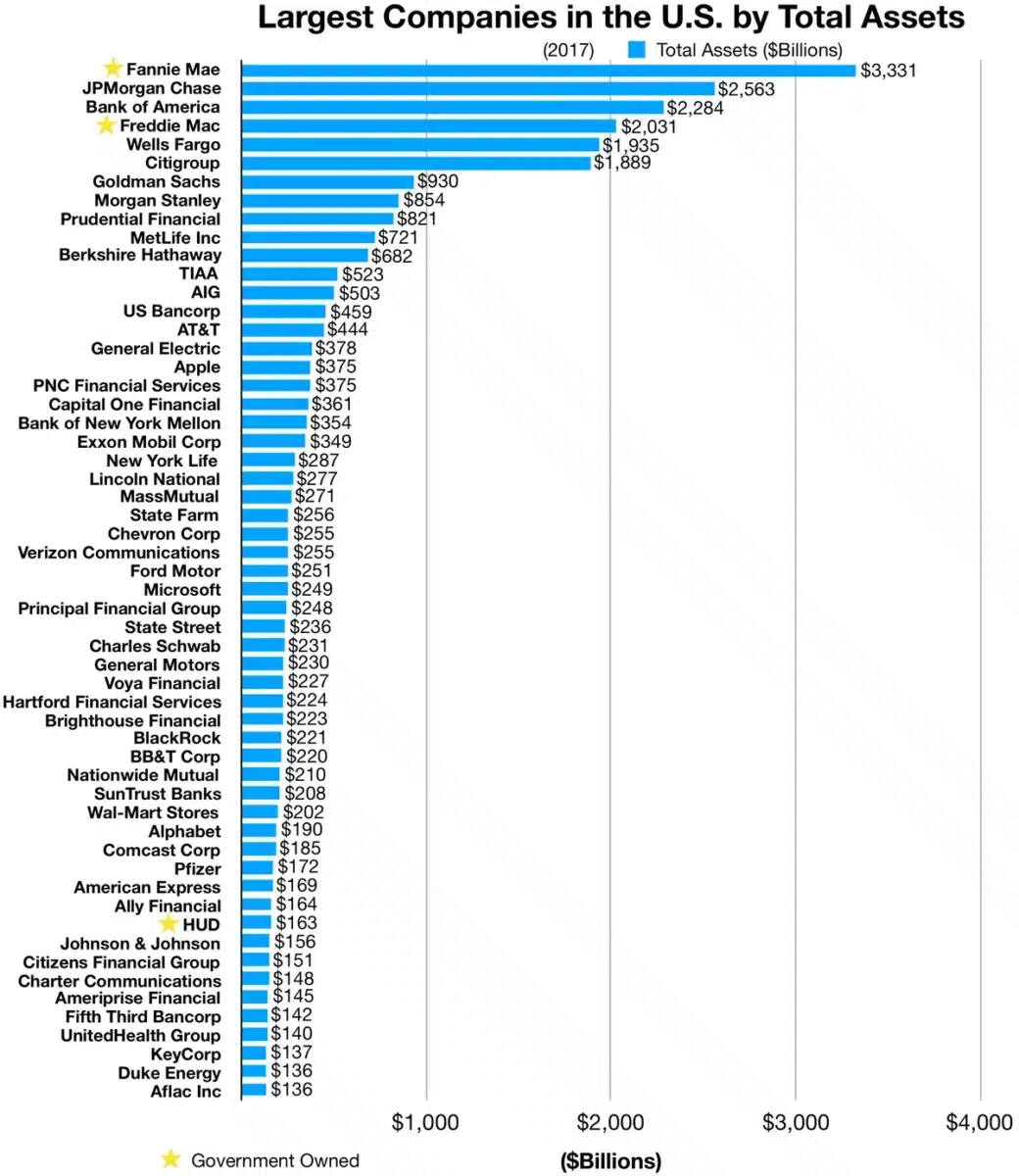
The consequences are already visible. Fannie Mae raised its mortgage forecast to 6.8 percent through mid-2027, up sharply from recent lows. The Treasury Department doubled its buyback plan in response to the bond market alarm, a rare intervention aimed at stabilizing yields. The U.S. national debt stands at nearly $40 trillion, meaning every 1 percent rise in yields adds roughly $400 billion annually to government borrowing costs.
El-Erian has long warned that the bond market cannot absorb the scale of U.S. government issuance without higher yields. His August 20 New York Times opinion piece, titled “America Is About to Get More Expensive,” laid out how rising rates will increase the cost of servicing federal debt, leaving less money for other priorities and putting pressure on households and businesses already grappling with affordability challenges.
The 10-year Treasury yield also hit its highest level since 2007 amid the Iran stalemate, signaling that investors expect higher rates to persist across the entire yield curve. For now, the structural shift El-Erian identified suggests that the era of cheap government borrowing has ended, with broad implications for growth, inflation, and household finances.
Sources
- Yahoo Finance — Mohamed El-Erian’s August 22 warning that 30-year Treasury yield at 5.27% signals structural shift making America more expensive
- New York Times — El-Erian’s August 20 opinion piece on Treasury yield surge from 1.7% to 5.3%, impact on affordability
- Reuters — 30-year Treasury yield hit 5.327% on August 18, highest level in 19 years since 2007
- CBS News — Bond sell-off driven by inflation fears and rising government debt, threatening higher borrowing costs across economy
- The Hill — 30-year Treasury yield at 5.28%, highest since 2007, U.S. debt at $39 trillion
- Fox Business — El-Erian as Allianz Chief Economic Advisor discussing higher interest rates and $40 trillion debt