
Treasury yields climbed to fresh highs on August 17 as the 60-day negotiation deadline between the United States and Iran expired without a deal, reigniting geopolitical risk in financial markets and pushing oil prices higher. The 10-year Treasury yield rose to 4.725%, up from 4.695% the previous Friday, while the 30-year Treasury yield surged to 5.31%, its highest level since 2007, according to the Wall Street Journal.
The rise in yields reflects investor concern about prolonged Middle East tensions. Brent crude futures climbed to roughly $91 a barrel after Iranian media reported that an oil tanker had been seized in the Strait of Hormuz, a critical chokepoint for global energy supplies. Maritime traffic through the strait fell 19.5% last week, declining from 19 crossings on August 11 to just three on August 16, according to marine traffic monitors.
Negotiations between Washington and Tehran have stalled over competing demands. President Trump said Iran wants to make a deal but “they’re not going to make the kind of deal that I feel is necessary,” emphasizing that preventing Iran from obtaining nuclear weapons remains the U.S. priority. Jared Kushner, Trump’s son-in-law and adviser, told Fox News that Iran is “not showing any interest in doing something that makes sense for us,” though he said the two sides are “having very positive conversations.”
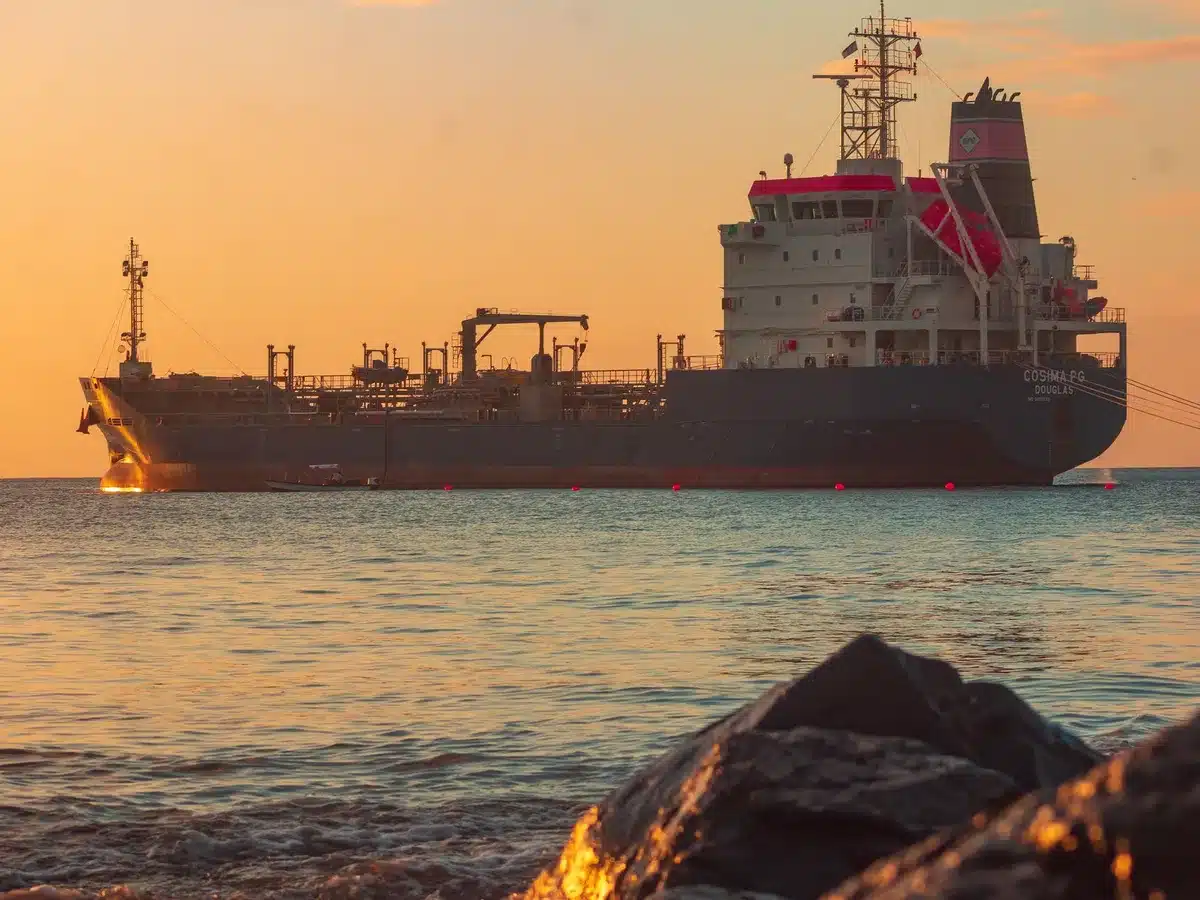
The stalemate has rattled energy markets and raised inflation concerns. When geopolitical tensions spike, investors typically sell longer-dated bonds and demand higher yields to compensate for the risk of higher oil prices and inflation. Earlier in 2026, similar Iran-related conflicts caused Treasury yields to surge sharply, demonstrating the market’s sensitivity to Middle East developments.
Trump has escalated rhetoric around the standoff, threatening Monday to bomb Oman if the country “gets in the way” of U.S. efforts to reopen the Strait of Hormuz. Iran has taken an increasingly hardline approach, striking several tankers attempting to pass through the waterway. The U.S. military has redirected 64 commercial vessels under its naval blockade on Iran, disabled three vessels, and boarded two others, according to U.S. Central Command.

The bond market’s reaction underscores how dependent financial conditions are on Middle East stability. Rising long-term yields make borrowing more expensive for businesses and homeowners, potentially slowing economic growth. The 10-year Treasury yield is a key benchmark that influences mortgage rates and corporate bond rates across the economy.
Sources
- Wall Street Journal — 10-year and 30-year Treasury yields on August 17; Brent crude price; Iranian tanker seizure report.
- Trading Economics — 10-year Treasury yield at 4.74% on August 18.
- CBS News — 60-day negotiation deadline expiration; Trump’s statements on Iran deal; Kushner’s comments on negotiations; U.S. military blockade numbers.
- Marine Traffic and Kpler — Strait of Hormuz maritime traffic decline.