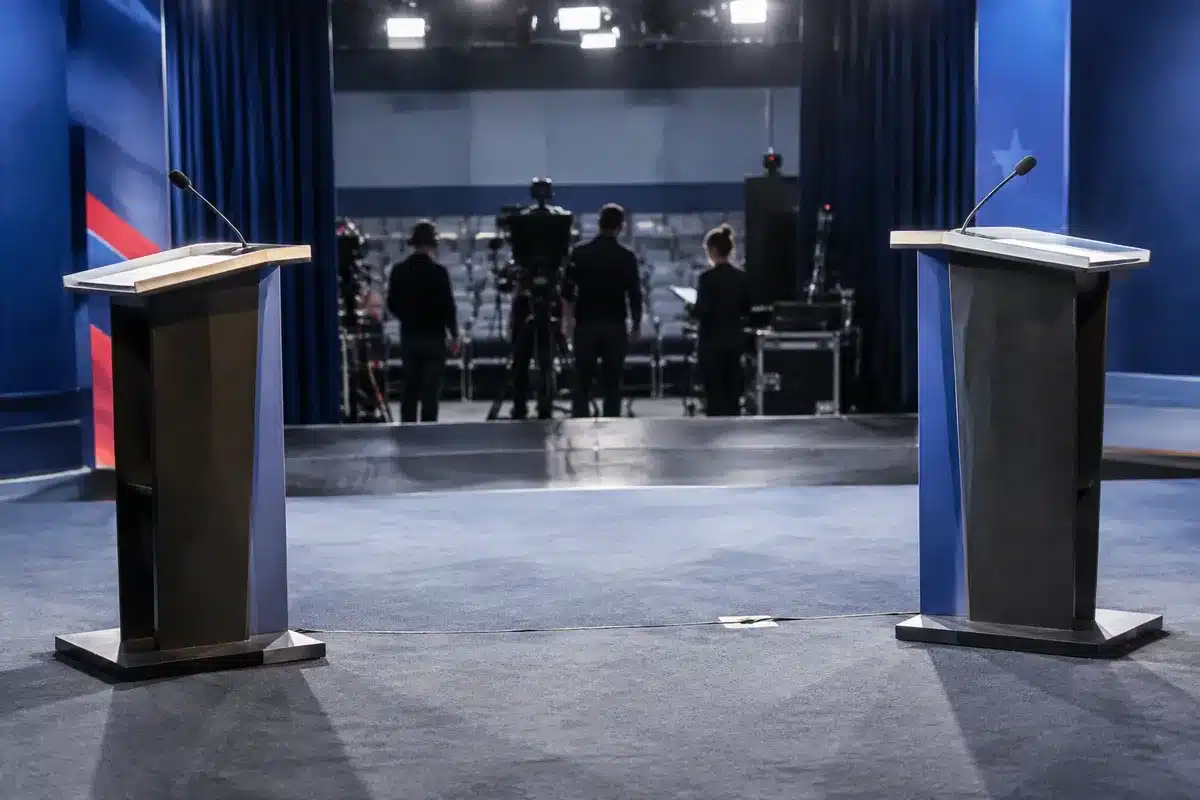
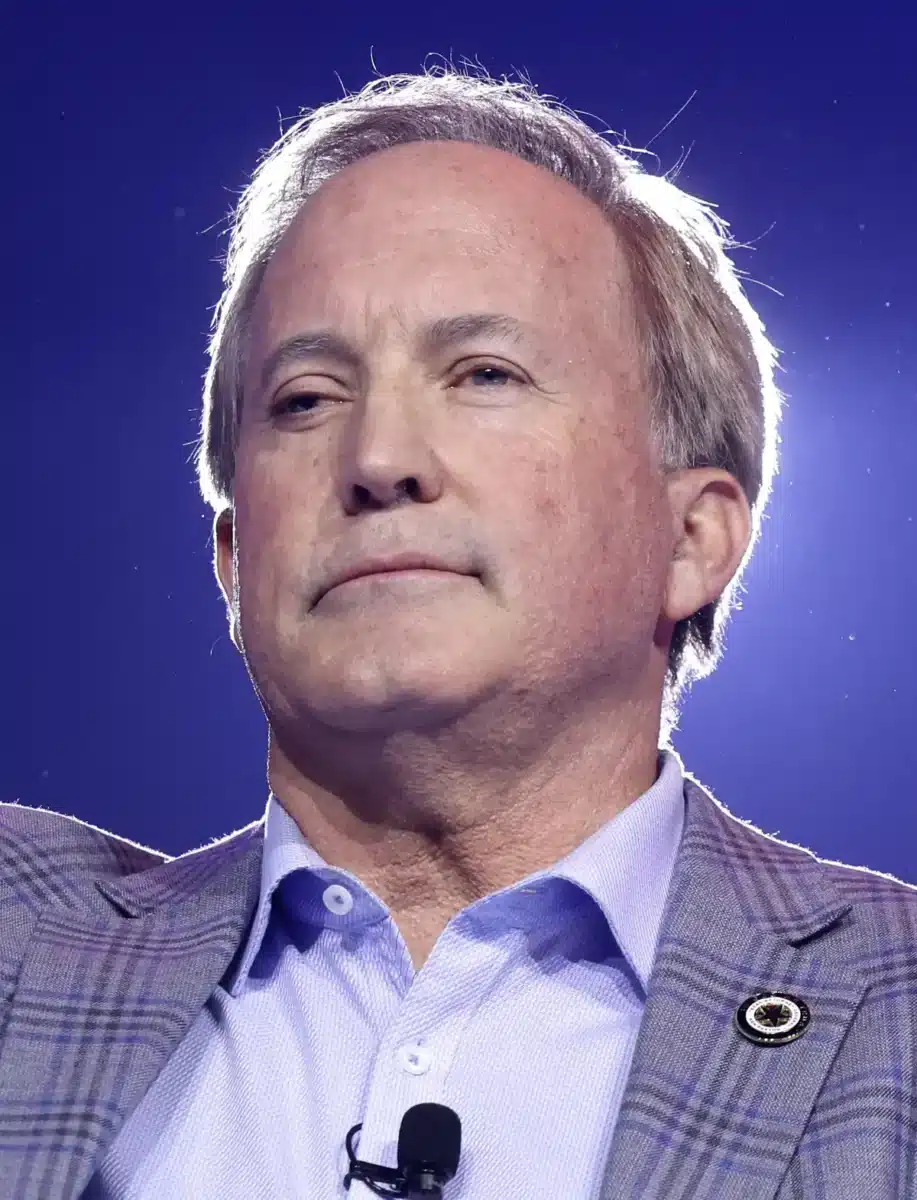
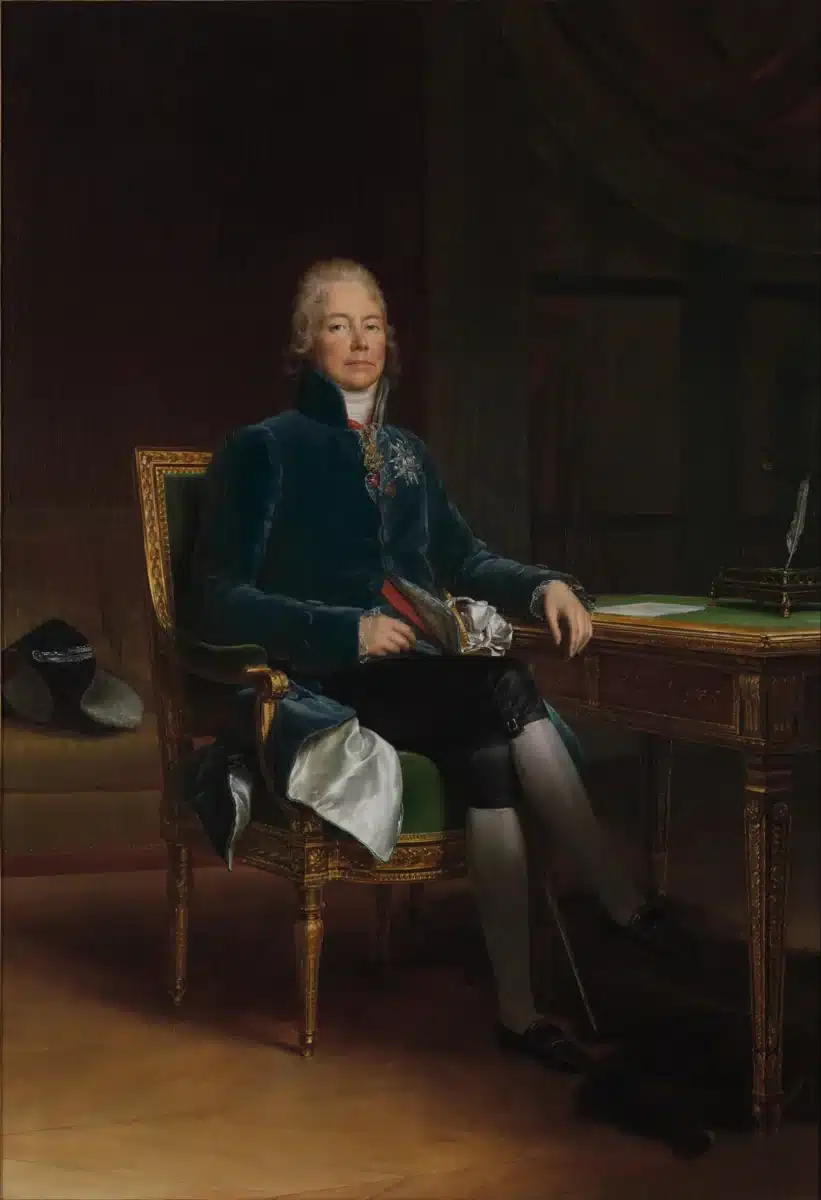
Image credits, once relegated to the bottom of a page, are now frontline signals of journalistic sourcing and legal accountability. A single credit line—naming a photographer like Duncan Senkumba alongside agencies such as CNN, Getty Images and the AP—can tell readers where an image came from, who owns it and why that matters for trust in news coverage.
In an era of fast-breaking stories and proliferating visual content, those brief attribution lines do work that goes beyond courtesy: they help establish provenance, guide licensing decisions and flag potential conflicts when images are republished or altered. For editors, a credit is both a record and a tool for fact-checking.
Where attribution fits into newsroom practice
Most newsrooms treat image credits as part of the published record. They link an image to a photographer, agency or archive, and that connection can influence whether an outlet pays licensing fees or seeks additional permission.
Credit lines also support editorial transparency. If a photo is supplied by a wire service, an internal file or a freelancer, the attribution gives readers and other editors a starting point to verify context, date and authenticity.
New complications: AI, edits and shared content
The rise of AI-generated visuals and widespread image reuse has complicated attribution. When newsrooms crop, composite or otherwise alter pictures, the original credit remains important—but it may no longer tell the whole story about how the final image was created.
Similarly, syndicated images distributed by major agencies can carry layered attributions (photographer, agency, partner outlet), and that layering matters for copyright and for the reader’s understanding of origin.
- Attribution: Names and agencies make the chain of custody visible to readers and editors.
- Licensing: Proper credits signal whether use was authorized and under what terms.
- Verification: Credits provide leads for confirming when and where a photo was taken.
- Transparency: Clear labels help audiences distinguish original reporting from republished or AI-produced imagery.
Good metadata practices—embedding creator information in file tags and keeping clear editorial notes—reduce errors when images move from newsroom systems to the public site. Alt text and captions remain essential for accessibility and for contextualizing an image’s provenance to readers who rely on screen readers.
What readers should look for
When you see an attribution line, it’s doing several jobs at once: naming the creator, signaling the distributor and hinting at how the outlet obtained the image. That information can affect how you interpret a photograph’s authority and whether follow-up reporting is needed.
Expect to see these changes continue: news organizations are reviewing how they credit AI-assisted work, clarifying when images are edited, and tightening the language used for contributions from third-party agencies. The short lines that often sit under a picture are now a compact but crucial piece of journalistic accountability.