One of America’s oldest outdoor apparel names is on the brink of a major retail reset: the company that built a century-long reputation for parkas and expedition gear is preparing a legal filing that could close the majority of its North American stores. That prospect matters now because it affects hundreds of jobs, mall foot traffic and how a familiar brand will be managed going forward.
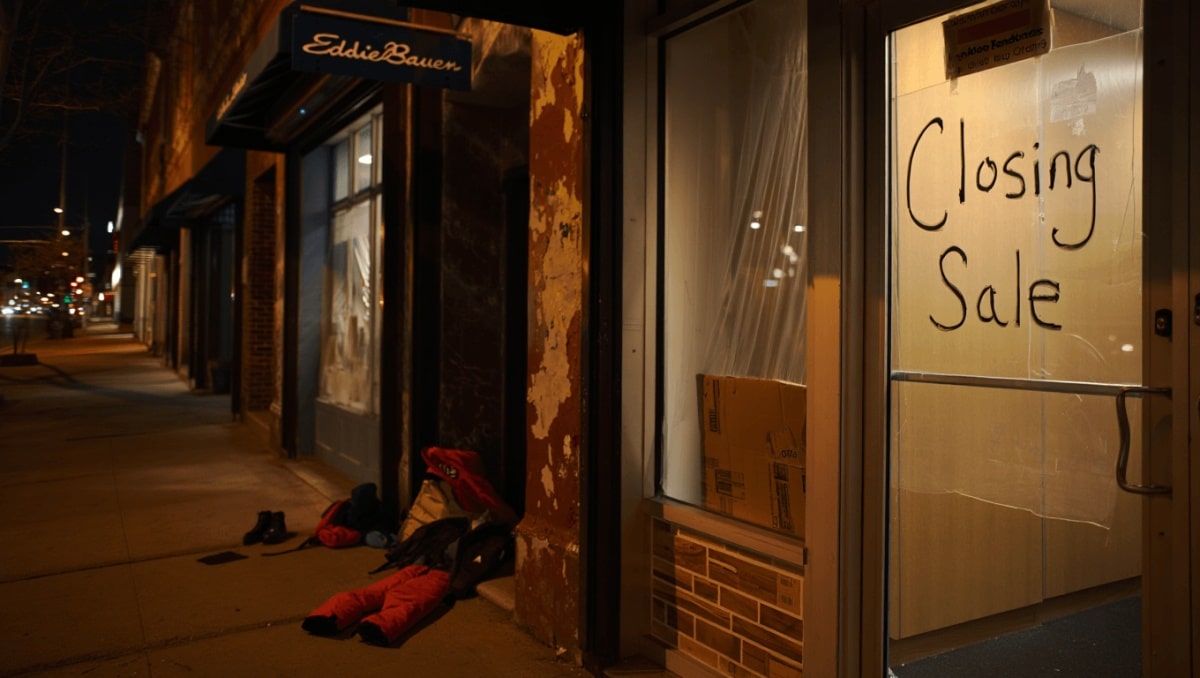
People briefed on the situation say the operating unit that runs the chain’s U.S. and Canadian stores is preparing a Chapter 11 bankruptcy filing, a move that would likely lead to rapid closures across roughly 180–200 locations. While the reorganizing would target the brick-and-mortar arm, other parts of the business are expected to remain intact.
Where the impact would fall
The immediate fallout would be concentrated in North America. Store leases, staff and in-person sales would be the most exposed elements of the business, while production, online sales and international retail operations would likely be insulated from the filing.
- Stores at risk: Approximately 180–200 retail locations in the U.S. and Canada could close.
- Operations likely unaffected: Manufacturing, wholesale partners and e-commerce channels are expected to continue running.
- International footprint: Select overseas markets, including a presence in Japan, would not be part of the North American filing.
- Employment and leases: Store-level employees and commercial landlords may face immediate disruption if closures proceed.
The restructuring would focus on the unit that directly operates storefronts. That means licensed deals, brand partnerships and retailer relationships outside the scope of the North American retail entity could continue under current arrangements — at least in the short term.
How the brand reached this point
The label began in the early 20th century and earned a reputation for durable outerwear after innovations such as the early quilted down jacket and cold-weather parkas used on expedition teams. Over decades the chain expanded, contracted and altered ownership several times as the retail landscape changed.
It has weathered financial distress before: the business underwent Chapter 11 reorganizations in the 2000s and later shifted hands among private owners and licensing companies. In recent years the brand has operated under a licensing-and-management model, a common structure for legacy labels navigating declining mall traffic and growing online competition.
What this could mean for shoppers and communities
For customers, a wave of store closures would reduce chances to try on gear in person and could narrow local product assortments. For regional malls and shopping centers, losing a long-standing tenant could accelerate vacancy pressures in retail corridors already weakened by changing consumer habits.
Employees at affected stores face immediate uncertainty over hours, severance and re-employment options. Landlords and local economies that rely on in-person retail spend may also see near-term effects if multiple locations shut quickly.
Quick timeline and considerations
- Decision and filing: Sources say the North American retail unit is preparing for a Chapter 11 filing; precise timing remains unclear.
- Possible outcomes: The filing could lead to store-by-store closures, a sale of the operating unit, or a negotiated restructuring to preserve some locations.
- Broader implications: Owners and licensees globally will be watching to see how the brand is repackaged post-filing and how licensing revenue streams are handled.
Analysts and industry veterans note that brands with deep heritage often shift strategy from operating stores directly to licensing and wholesale models. That can preserve brand visibility while reducing the capital burden of running physical retail — but it also changes how consumers interact with the label on a daily basis.
At stake is more than inventory on racks: a century-old name and the local jobs tied to its stores. For shoppers, landlords and anyone tracking the future of legacy retail, the next few weeks could signal whether the brand will re-emerge with a slimmer physical footprint or be retooled entirely as a licensing and digital-focused enterprise.